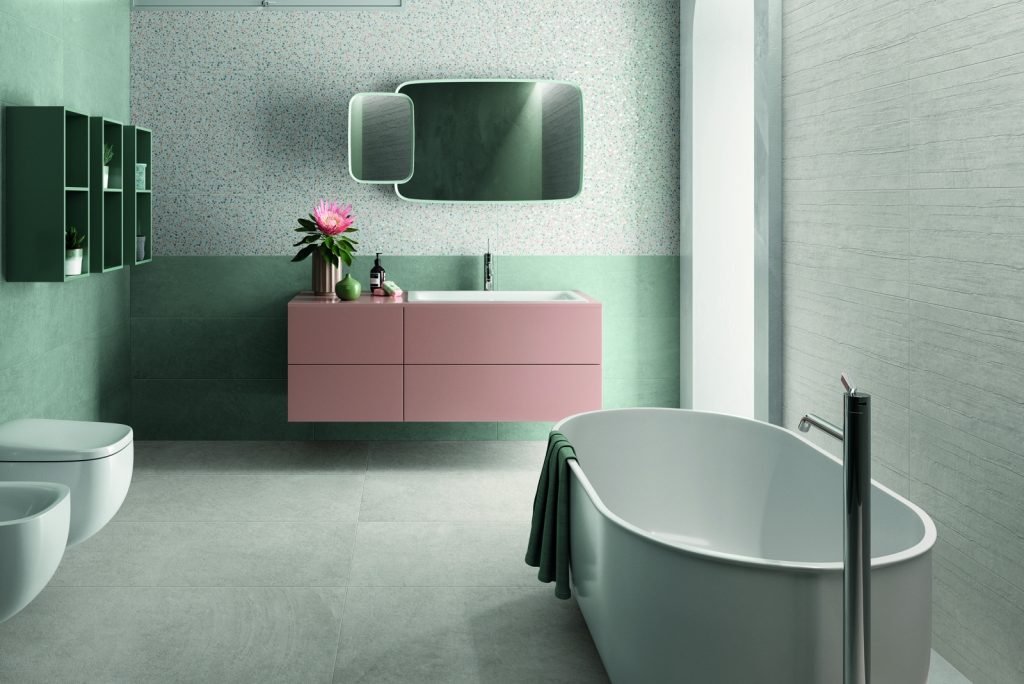
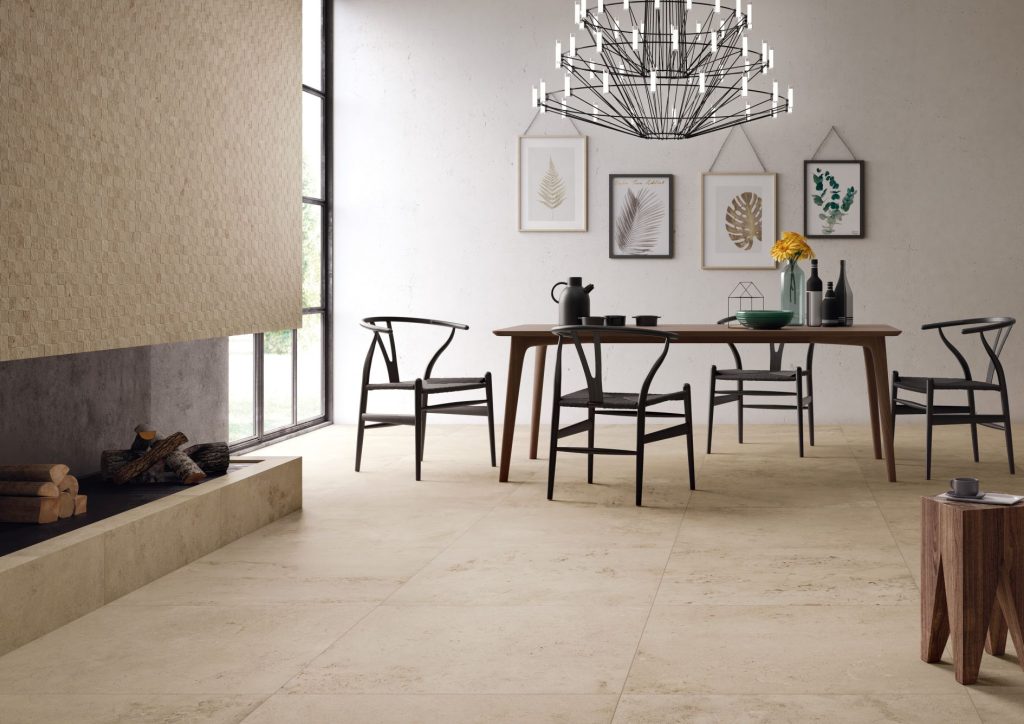
Decorative tiles can be both modern and traditional in today’s interior design day and age. With the large range of decorative tiles available, there’s always something for someone.
AIzaSyCx0PM-3N_RmbMTt2SRm-GX9AD-tAsfpC8
Skip to main content
Decorative tiles can be both modern and traditional in today’s interior design day and age. With the large range of decorative tiles available, there’s always something for someone.

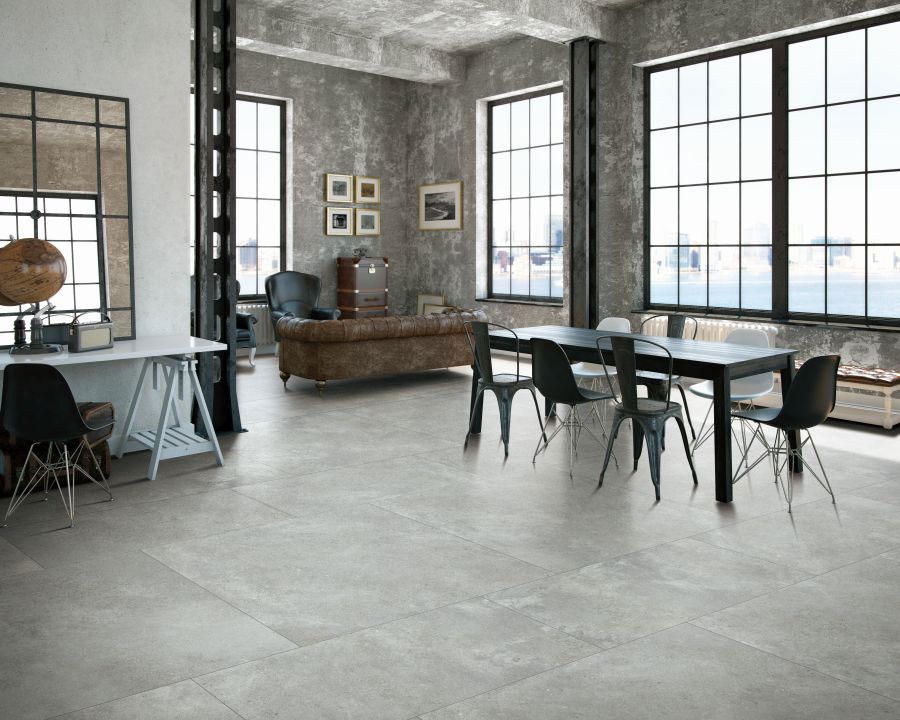
Slip-resistant concrete look tiles offer the perfect combination of aesthetic appeal, durability and safety to reduce the risk within wet areas.

With the constant activity in the kitchen, choosing the right tiles and colours is essential to build a long-lasting kitchen interior whose design won’t look outdated after just a few months or years.
Summer is here, and as you survey your outdoor area, you might find yourself dreaming of creating a space that’s both functional and beautiful. Whether you’re envisioning a poolside paradise, a serene garden path, or a showstopping patio, mosaic tiles offer the perfect solution.

With the constant activity in the kitchen, choosing the right tiles and colours is essential to build a long-lasting kitchen interior whose design won’t look outdated after just a few months or years.

With the constant activity in the kitchen, choosing the right tiles and colours is essential to build a long-lasting kitchen interior whose design won’t look outdated after just a few months or years.
Looking at elevating your home this year? Discover 2024 tiles and home design trends that will inspire you to renovate your home.
Looking at elevating your home this year? Discover 2024 tiles and home design trends that will inspire you to renovate your home.
Looking at elevating your home this year? Discover 2024 tiles and home design trends that will inspire you to renovate your home.
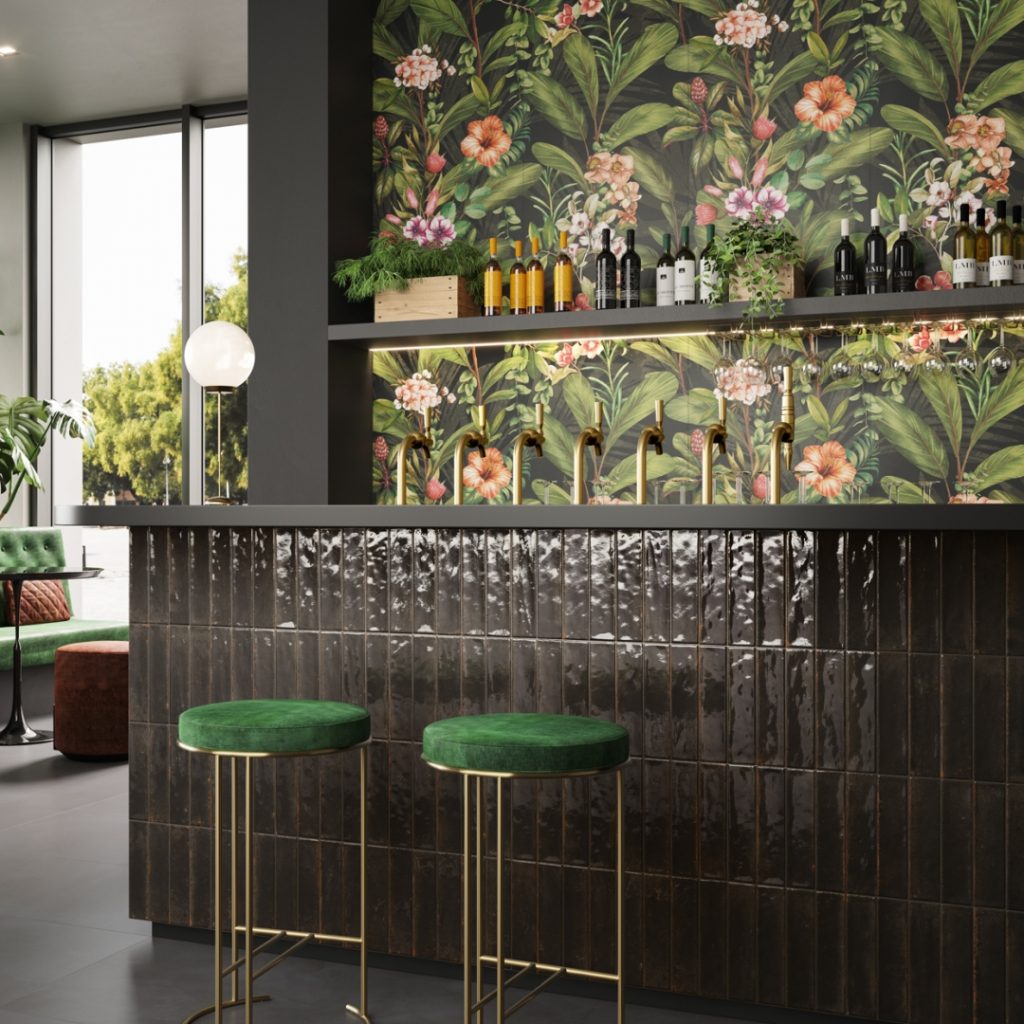
Looking at elevating your home this year? Discover 2024 tiles and home design trends that will inspire you to renovate your home.
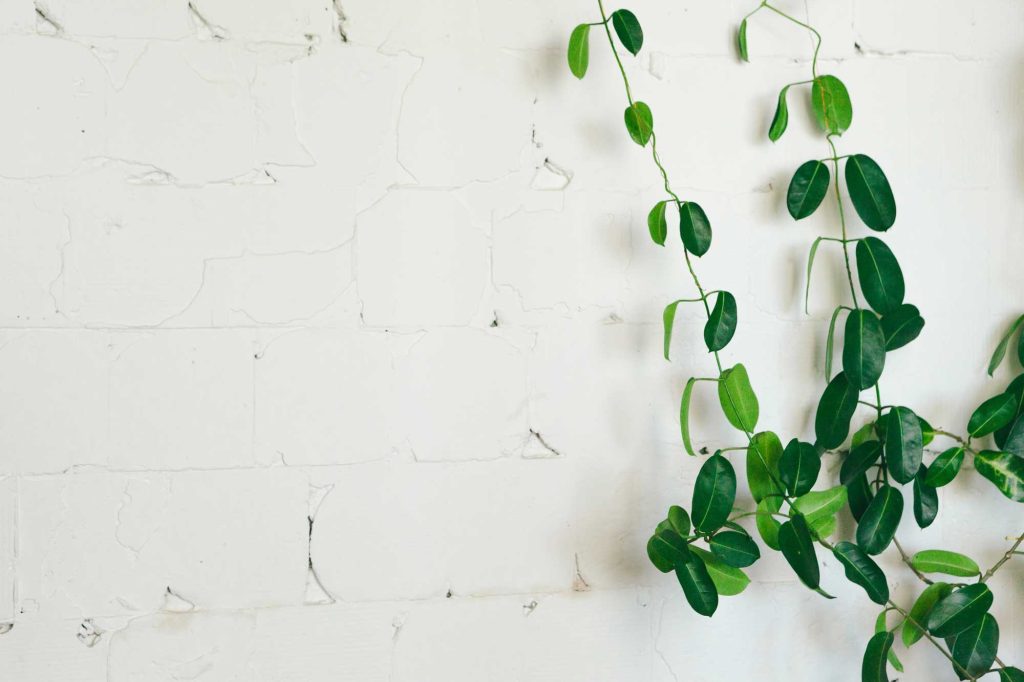
Explore eco-friendly home design with sustainable tiles. Make informed choices for your floors and walls to positively impact the environment.

Choosing between timeless and trendy kitchen tiles depends on how a homeowner wants their kitchen tile design to function over time. Timeless options focus on neutral colours and established layouts that remain suitable for many interiors, while trend-based kitchen tiles introduce stronger colours, patterns, or textures that reflect current design movements.
For homeowners in Perth planning a renovation or new build, the choice of kitchen tiles can influence the visual balance of the space and how adaptable the kitchen tile design remains in future updates. Understanding the differences between enduring styles and trend-driven designs helps homeowners make informed decisions that align with their preferences and long-term plans.
A kitchen tile design generally falls into two broad categories: timeless styles and trend-driven styles. Both types of kitchen tiles serve different purposes depending on the goals of the homeowner.
Timeless options prioritise neutrality and long-term compatibility with different interior styles. Classic kitchen tiles typically include simple finishes, restrained colour palettes, and familiar layouts such as subway or large-format tiles.
Trend-based kitchen tiles, on the other hand, often reflect current interior design movements. These may include distinctive shapes, bold colour palettes, or intricate surface patterns.
Neither approach is inherently better. The choice between them often depends on how frequently a homeowner expects to update their kitchen tile design.
Timeless kitchen tiles are characterised by restrained colours, simple layouts, and materials that remain widely used in residential kitchens. These tiles often serve as a neutral base within a broader kitchen tile design.
Homeowners who prefer stability and flexibility often consider classic kitchen tiles because they allow other design elements—such as cabinetry, lighting, or décor—to change over time without requiring tile replacement.
Timeless kitchen tile design typically prioritises clarity and balance rather than strong visual contrast.

Minimalist kitchen tiles are one of the most common timeless choices. They often include neutral shades such as white, grey, beige, or black. These colours integrate easily into many kitchen tile design approaches.
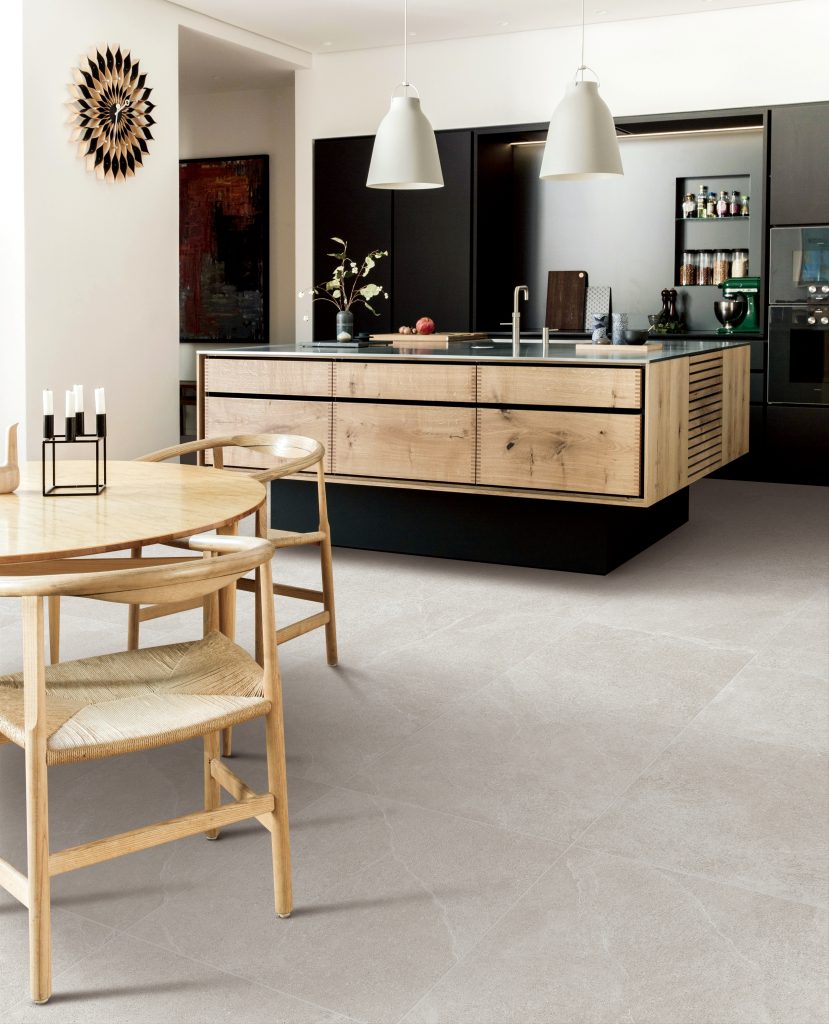
Large-format tiles, stone-look ceramics, and subtle matte finishes are common examples. Many classic kitchen tiles follow minimalist principles because they minimise visual clutter and allow other elements of the kitchen to stand out.
For Perth homeowners planning long-term renovations, minimalist kitchen tiles can provide a stable foundation for a kitchen tile design that remains adaptable over time.
Subway kitchen tiles have remained common in residential interiors for over a century. Originally used in early twentieth-century transport systems, the rectangular format has since become a widely recognised element of classic kitchen tiles.
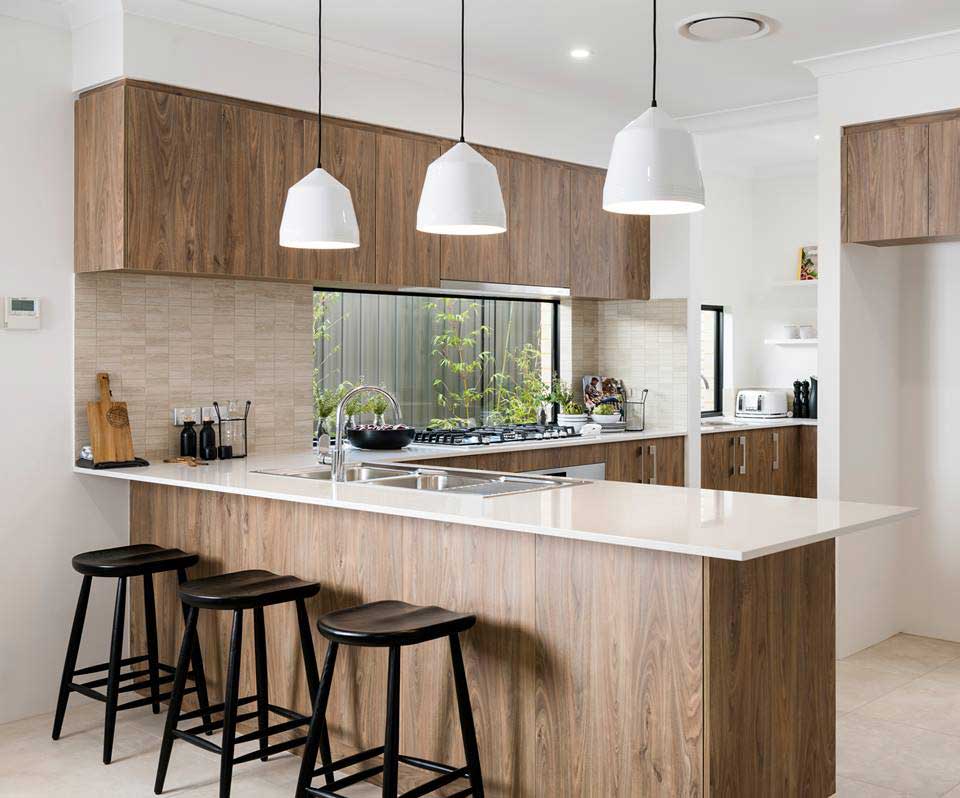
In modern kitchen tile design, subway tiles are often installed as splashbacks, behind cooktops, or along preparation areas. The arrangement pattern—such as horizontal stack, vertical stack, or herringbone—can change the appearance while maintaining a familiar tile shape.
Neutral colours such as white, grey, and charcoal continue to be widely used in subway kitchen tiles because they maintain visual clarity across many kitchen styles.

Trend-focused kitchen tiles allow homeowners to introduce distinctive elements into their kitchen tile design. These tiles may incorporate stronger colour contrasts, geometric layouts, or decorative surfaces.
While trend-based designs can create visual interest, they may also reflect particular design periods. As a result, some homeowners choose to apply these kitchen tiles in smaller areas rather than across the entire kitchen.
Combining trend elements with classic kitchen tiles is a common strategy for maintaining design balance.
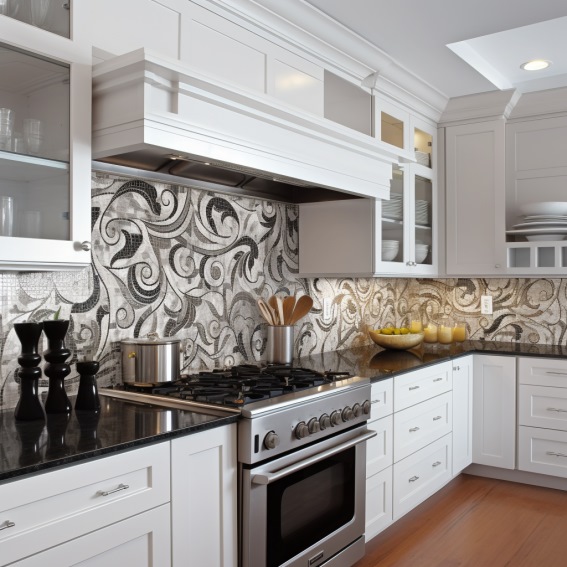
Mosaic kitchen tiles are composed of smaller tile pieces arranged into repeating patterns. They are often used to create feature areas such as splashbacks or accent panels within a kitchen tile design.
These tiles can incorporate glass, ceramic, or porcelain materials and may include geometric or curved layouts. Mosaic kitchen tiles allow homeowners to introduce pattern variation without covering the entire kitchen surface.
When integrated alongside classic kitchen tiles, mosaic designs can create focal points while maintaining overall balance in the kitchen tile design.
Coloured kitchen tiles introduce stronger visual contrast into a kitchen tile design. Blues, greens, pinks, and other saturated colours may appear in splashbacks or accent walls.
The psychological influence of colour is often considered during kitchen planning. Some colours are associated with energy, calmness, or brightness, which can influence the atmosphere of the space.
Because colour preferences change over time, some homeowners pair bold kitchen tiles with classic kitchen tiles to maintain flexibility if future updates are required.
Decorative kitchen tiles include printed or embossed surfaces that create repeating visual patterns. These tiles have historical roots in European architectural traditions, particularly within Spanish and Mediterranean interiors.
In modern kitchen tile design, decorative tiles are often used in smaller areas such as splashbacks, feature strips, or under shelving.
Using patterned kitchen tiles selectively helps prevent visual overcrowding while allowing homeowners to introduce cultural or artistic influences into the kitchen tile design.
When selecting kitchen tiles, Perth homeowners often evaluate several practical factors beyond visual style.
Lighting conditions can influence how colours and textures appear within the kitchen tile design. Natural light may emphasise reflective surfaces, while artificial lighting may highlight grout lines or patterns.
Material durability and maintenance requirements also influence tile selection. Some classic kitchen tiles use glazed ceramic or porcelain surfaces that are commonly used in kitchens due to their resistance to moisture and staining.
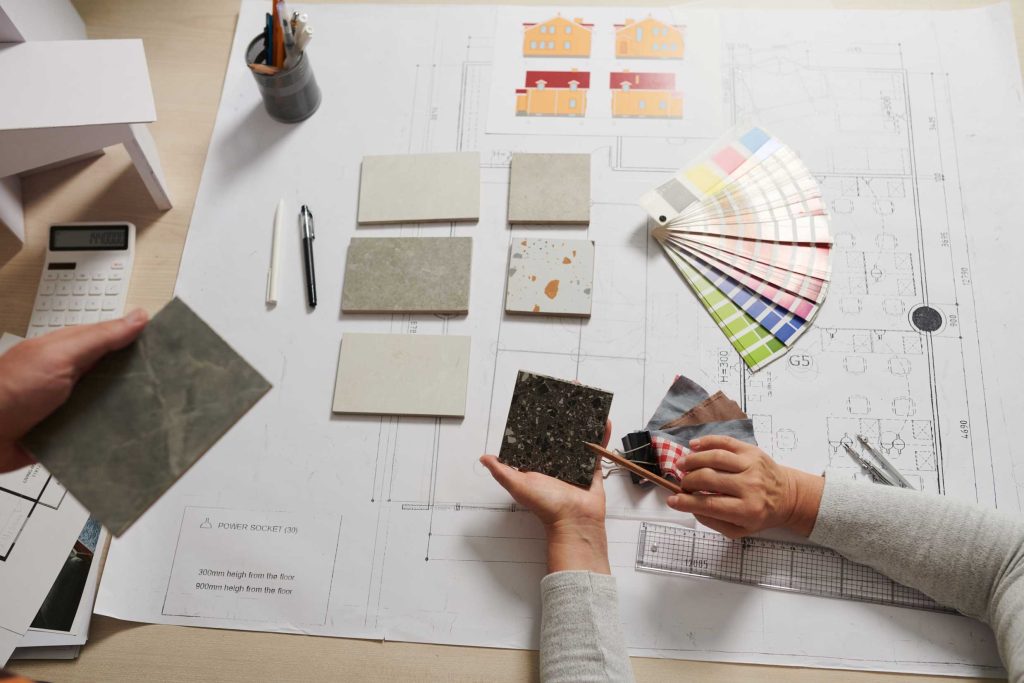
Viewing kitchen tiles in person is often recommended before finalising a kitchen tile design. Tile size, texture, and colour tone can appear different in physical environments compared with digital images.
Choosing between timeless and trend-based kitchen tiles involves balancing long-term adaptability with personal style preferences. Timeless options such as neutral ceramics and subway layouts remain widely used in classic kitchen tiles, while trend-focused options introduce colour, pattern, or texture into a kitchen tile design.
Many kitchens combine both approaches by using classic kitchen tiles for the main surfaces and applying trend elements in smaller areas. This approach allows homeowners to maintain design flexibility while still expressing individual preferences.
By understanding the characteristics and limitations of different kitchen tiles, homeowners can make informed decisions that support a practical and visually balanced kitchen tile design.
Timeless kitchen tiles generally include neutral colours, simple shapes, and widely used formats such as subway or large-format tiles. These styles are often associated with classic kitchen tiles that remain compatible with many interior designs.
Trend-focused kitchen tiles are not necessarily risky, but they may reflect specific design periods. Some homeowners choose to incorporate them into limited areas of a kitchen tile design to maintain flexibility for future updates.
A common approach is to use classic kitchen tiles for large surfaces such as walls or floors, while adding patterned or coloured kitchen tiles in splashbacks or feature sections.
Yes. Viewing kitchen tiles in person helps homeowners evaluate colour tone, surface texture, and tile size. These factors are important when planning a complete kitchen tile design.
Light-coloured kitchen tiles and simple layouts are commonly used in smaller spaces because they maintain visual clarity. Many classic kitchen tiles follow this approach.