AIzaSyCx0PM-3N_RmbMTt2SRm-GX9AD-tAsfpC8 Skip to main content
Category

Kitchen Tiles

Timber Wooden Tile

How to choose splashback tiles for your kitchen

By Kitchen Tiles, DIY, Subway Tiles, Tile Selection

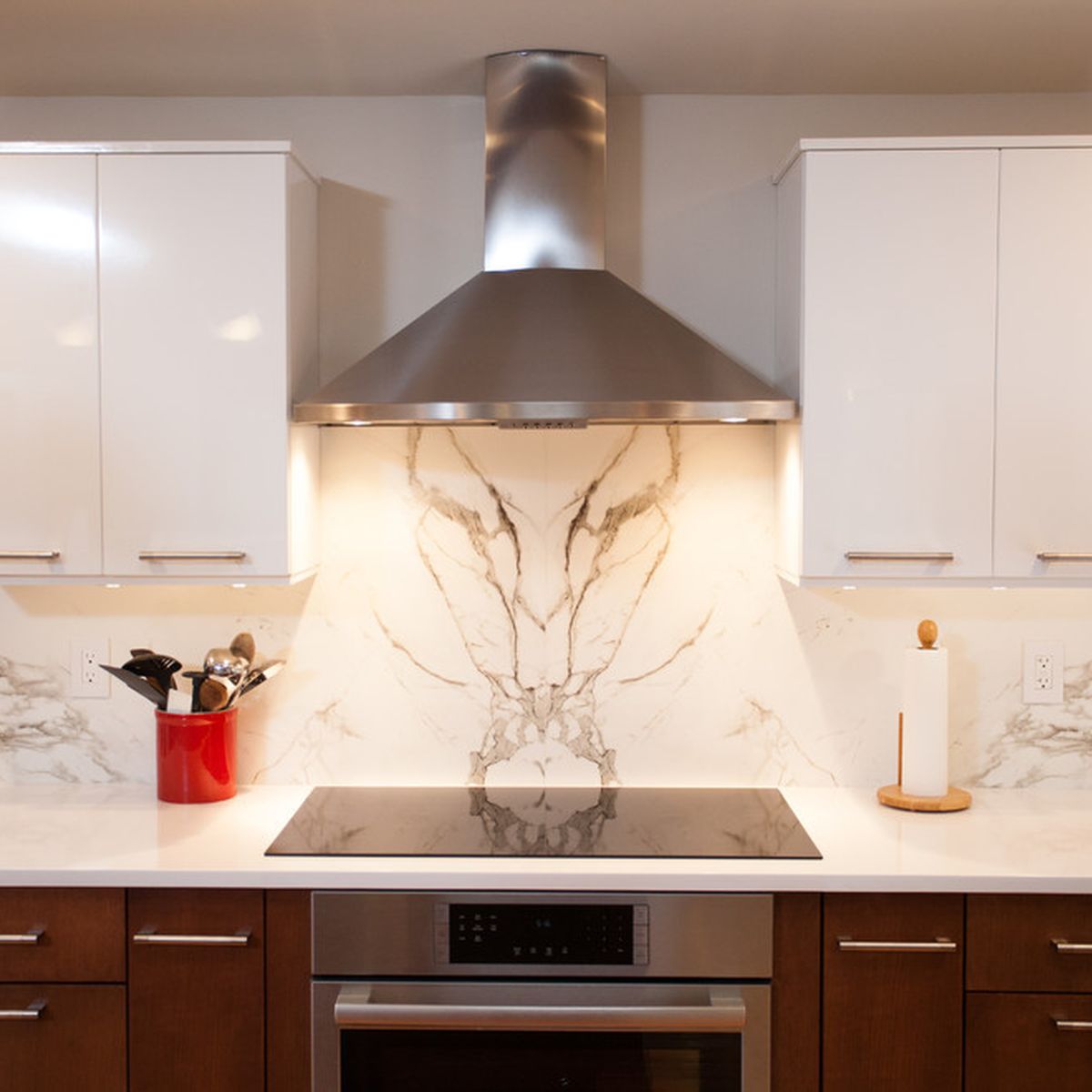
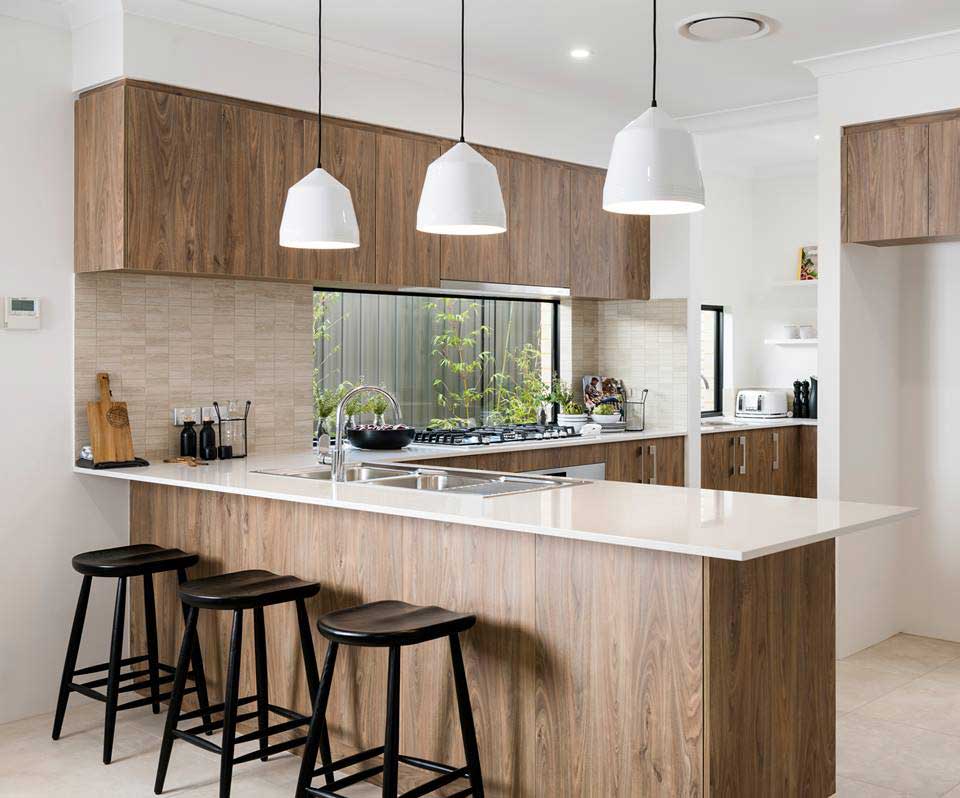
A key component to any kitchen design or renovation is your splashback. Functionally, it’s there to protect your walls from spills and splatters, visually it’s something you can have fun with.

Although just a small part of your kitchen, your splashback is where you can inject a lot of personality and make it the focal point of your kitchen. This is especially true in situations where the other elements of your kitchen have a neutral feel.

Tiles are an obvious choice for splashbacks as they are hygienic, durable, non porous, heat resistant and easy to clean. So, how do you go about selecting a tile that complements your kitchen design and adds character? 

A few things to consider when choosing your splashback tile includes the colour, shape, size and grout. Usually it’s a good idea to pick your benchtop first (as your options are more limited), and then incorporate your splashback design around this. 

When looking at tiles, the most durable and low maintenance option would have to be ceramic or porcelain tiles. Porcelain tiles are the tougher of the two, but will generally attract a higher price tag. Luckily, because splashbacks cover only a small surface area, it may be one of those areas you can afford to splash out on (no pun intended!).

Let’s explore what you need to consider in more detail.

How to choose splashback tiles for your kitchen 1
Colour

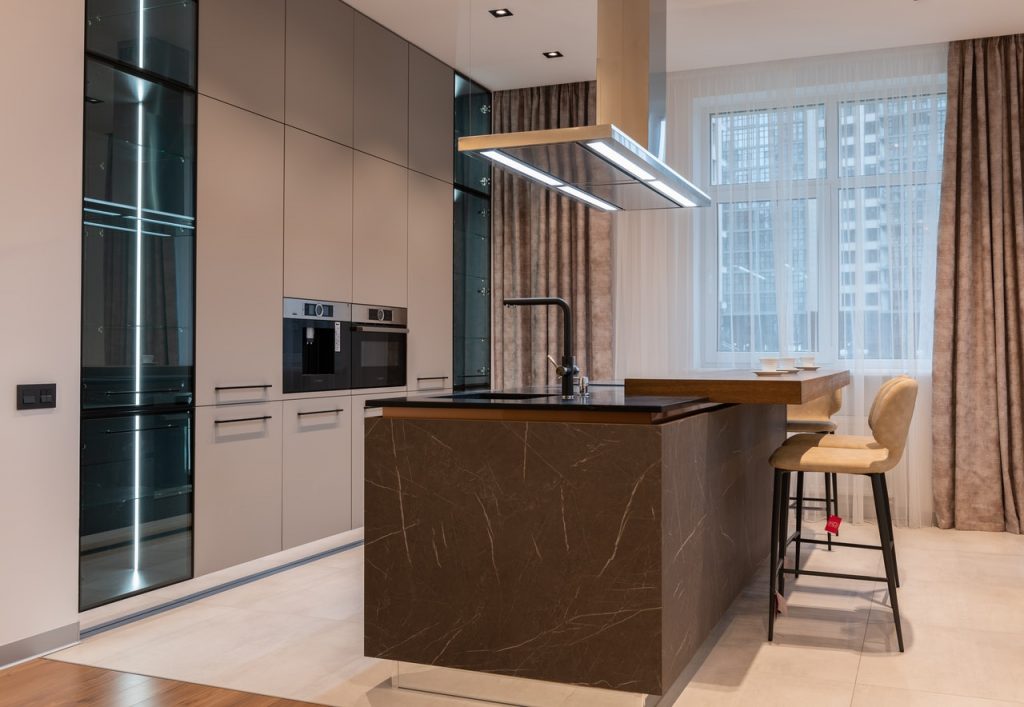
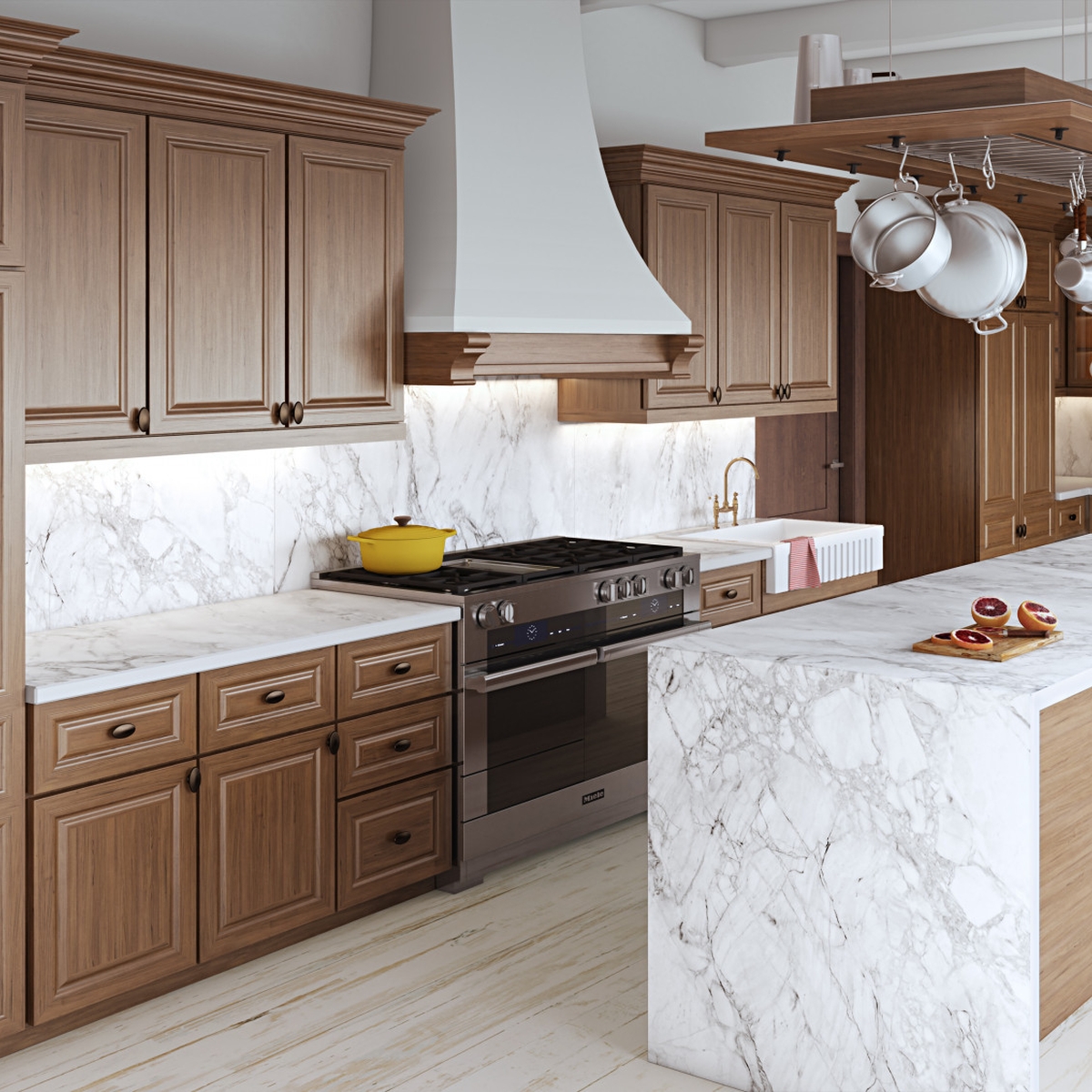
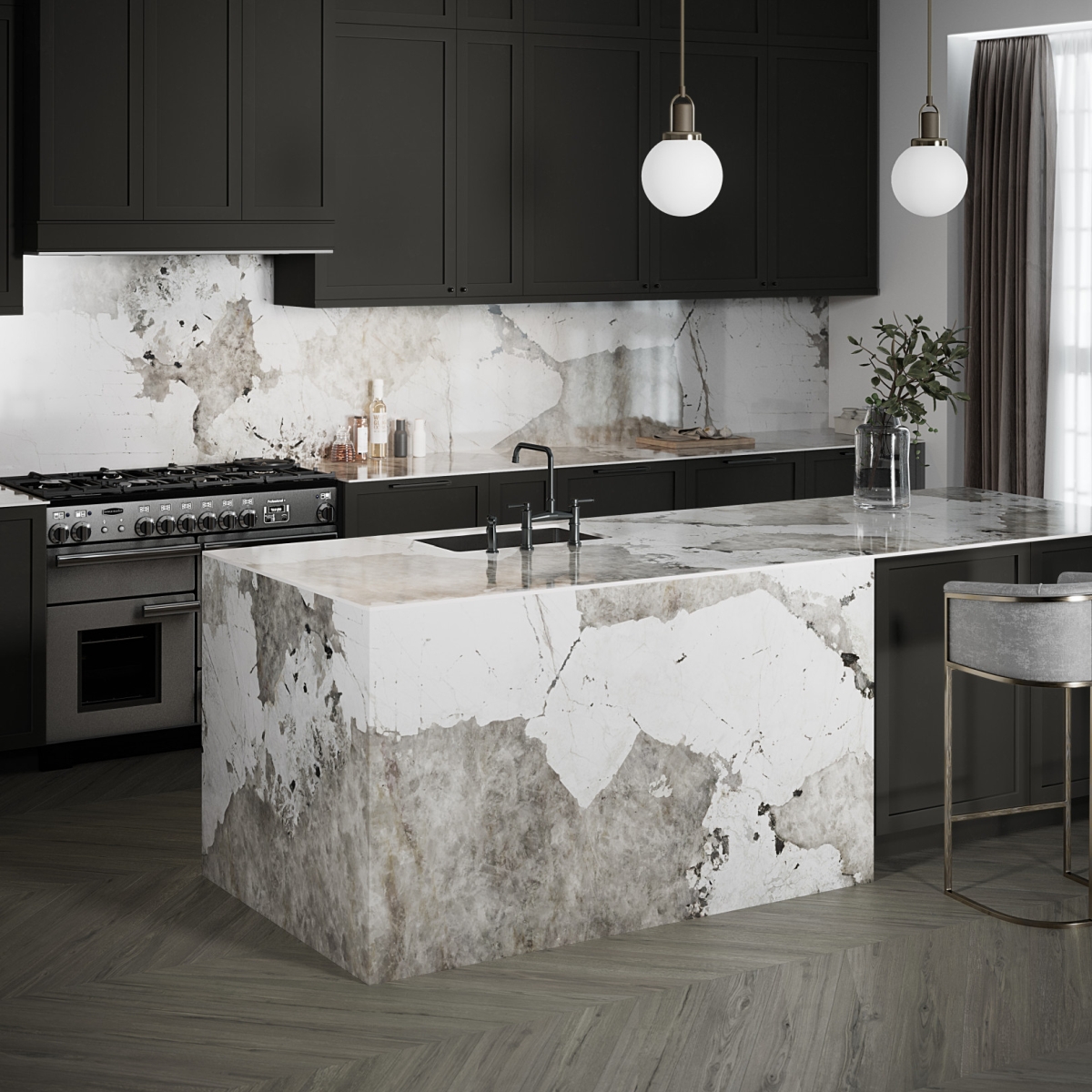
Your choice of tile colour can either blend subtly into your kitchen design, or you can be a bit more creative with pops of colour that draws attention. So firstly, you need to decide whether you want the splashback to be the standout feature in your room. Whatever you choose, it should work with your overall bench top and cabinetry colour scheme.

As a general rule, use dark tiles where there are no internal corners or assisting elements like cabinet lights or ample brightness to the room by other forms of light prevents dark corners from forming. Lighter shades will help brighten up the room and create a more open airy feel.  

If you opt for a colour similar to your benchtops and cabinets, consider a tile with more texture to add contrast. But choose wisely, as a heavy textured tile can prove harder to wipe down and clean.

Shape

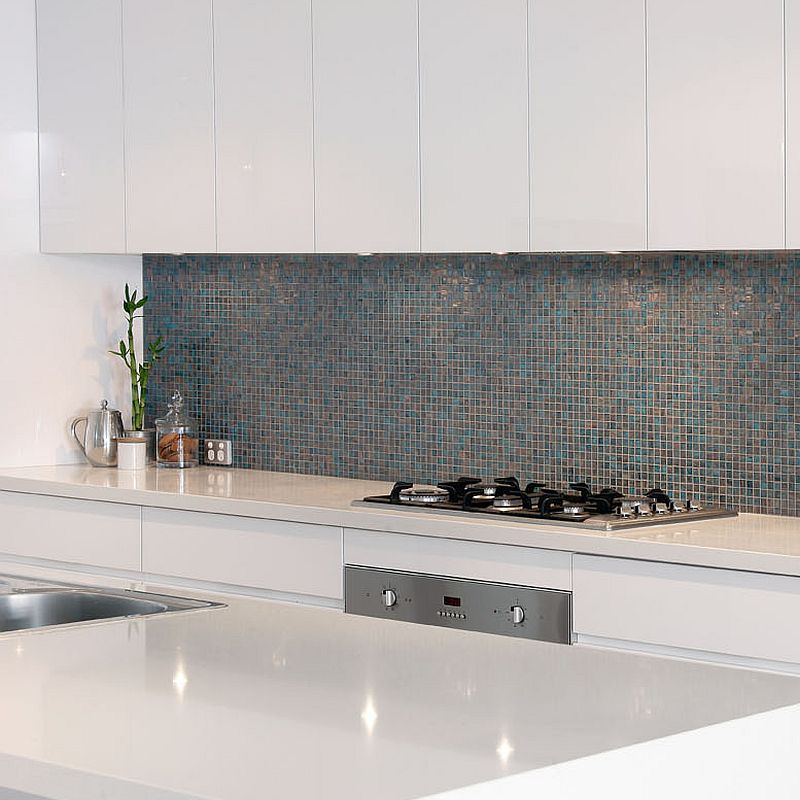
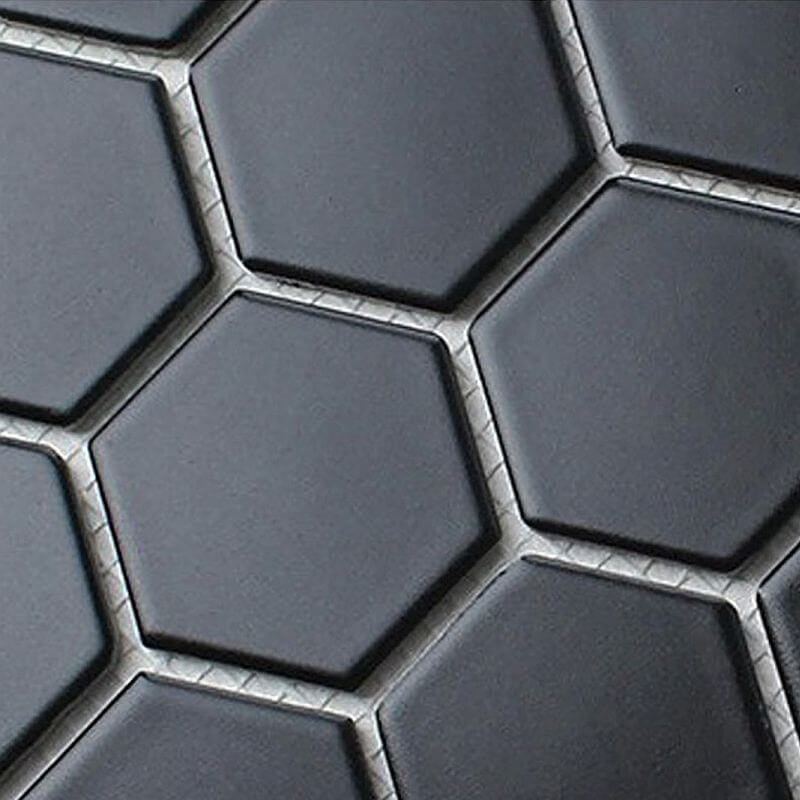
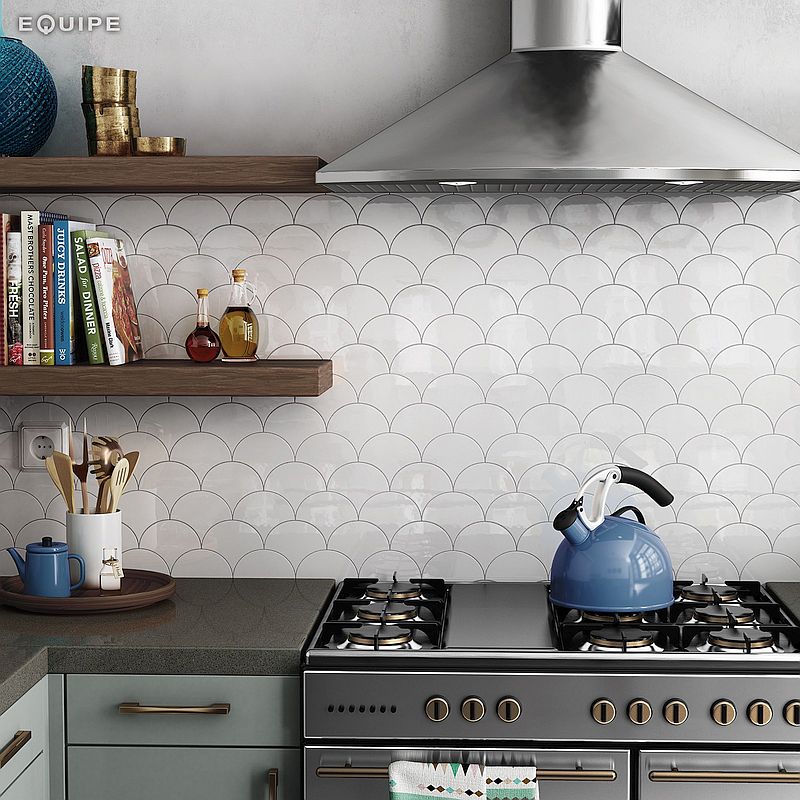
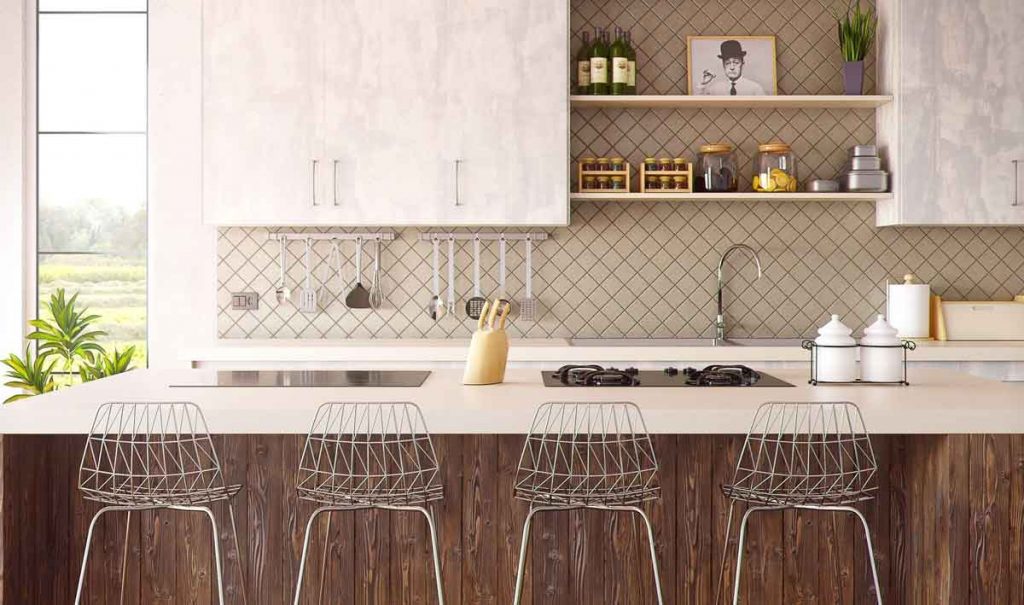
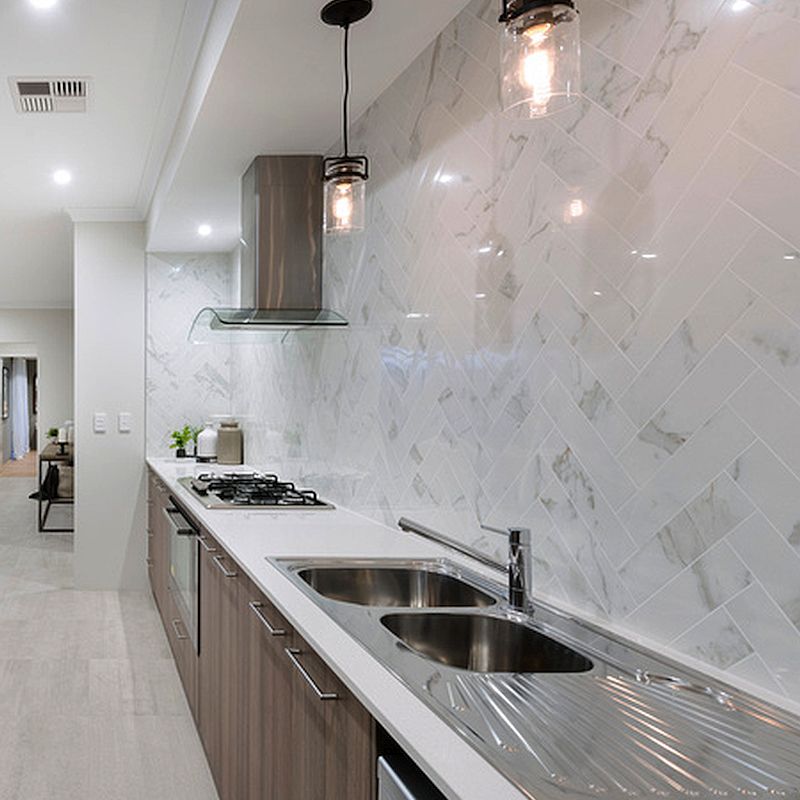
Another way to create impact – if not through your colour choice, is the shape of the tile. Some popular options include incorporating a grid like pattern, geometric, subway style, penny round, chevron, diamond tile and mosaic style patterns.

Size

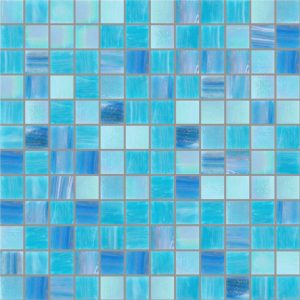
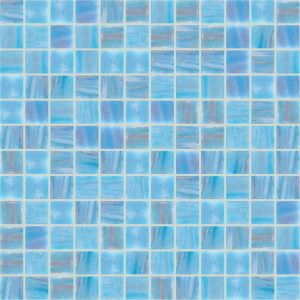
The size of your splashback area will affect your tile choice. For a clean look, choose large format tiles. This will also cut down on your grout lines but not be the cost effective option. If your splashback area is medium to small, the varying subway tiles make an excellent option as the scale into this size very well. If you are happy with a little more grout mosaics are a great option and come in many fun colours and shapes.

How to choose splashback tiles for your kitchen 2
How to choose splashback tiles for your kitchen 3
Grout

In general, the smaller the tile, the more grout lines you’ll have. If you want to avoid cleaning too much grout, choose a large format tile which will result in fewer grout lines. You can also use a grout additive (booster) or grout sealant in your small tiles to ease the cleaning woes.

Consider using a fine sand Epoxy grout. It’s a little more expensive than cement grout and harder to apply, but it’s a great choice for kitchens because it resists stains, is easy to wipe clean and more consistent in colour.

Aside from your tile colour, there are a number of grout colour options too. A couple of things to take note of:

  • Unsealed white grout will easily pick up stains, so make sure if you do choose a white grout you seal it or use a grout additive.
  • Black grout will accentuate the design, so it’s usually best to incorporate black grout with more neutral tones to create the right impact. It is also suggested with Black grout to use a grout booster to hold the colour.

Lastly, it’s also important to take into consideration the type of cooktop you have or will install. There are different clearance requirements from the centre of the burner to the splashback. Most tiles are glazed at a high temperature making them withstand heat variations from a cooktop however if you are looking at other materials such as natural stone, resin or hand glazed tiles they may require further considerations.

Need some inspiration for your kitchen splashback tile design?

Get inspiration from Perth’s kitchen tile specialists! Take a look at our photo gallery for ideas or browse our kitchen splashback tile collection on display at our Myaree or Wangara showrooms.

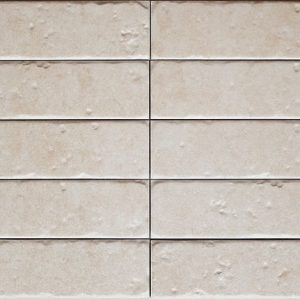
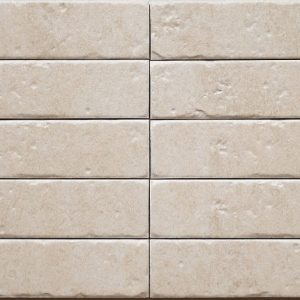
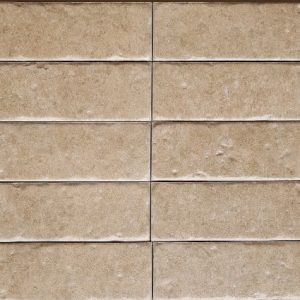
Some of Our Best Selling Kitchen Splashback Tiles

7 ideas to feature subway tiles in your bathroom or kitchen 4

7 ideas to feature subway tiles in your bathroom or kitchen

By Subway Tiles, Bathroom Tiles, DIY, Kitchen Tiles, Tile SelectionNo Comments

Versatile. Durable. Affordable. Aesthetically pleasing. What’s not to love about subway tiles?

By tradition, these rectangular tiles are usually twice as long as they are tall. But despite their simple structure, subway tiles lend themselves to many different design possibilities.

It’s the one tile that never grows out of style, so if you’re looking for a failsafe solution to your bathroom or kitchen, here are 7 ways you can incorporate subway style tiles.

Classic subway

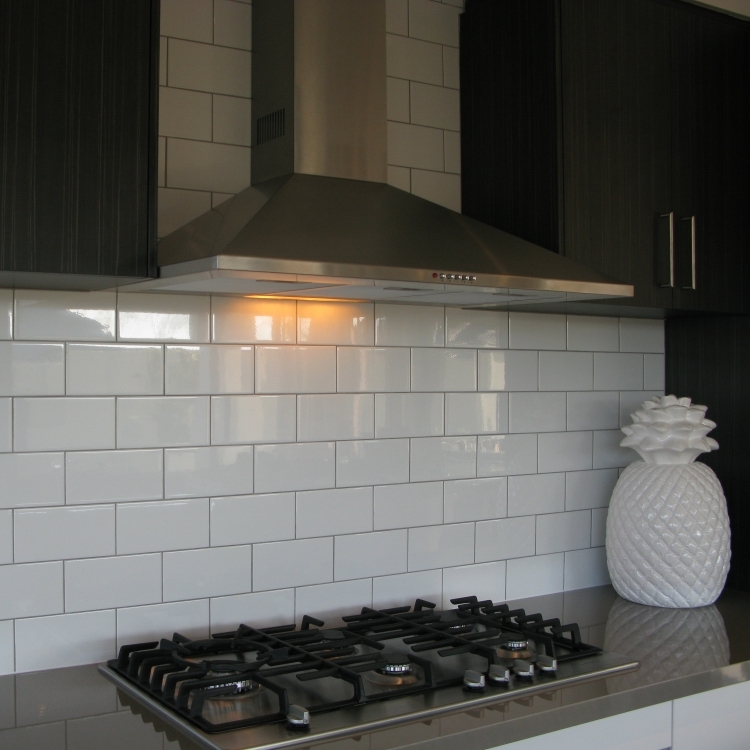
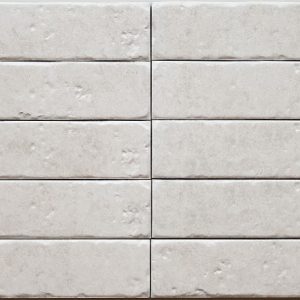
Since its early 1900s debut in New York subway stations, the timeless subway tile continues to be a popular tile choice in kitchens and bathrooms. The classic look takes its cue from conventional brickwork using a white repeating bond pattern – often referred to as running bond or offset brick. This white tile, white grout layout creates a seamless effect and is the most common subway tile pattern you’ll come across.

Stack them up

Different lays can add interest to a classic white subway tile. Large subway tiles stacked horizontally bring out a clean and contemporary look to your bathroom or kitchen design. Or, flip them over and install them vertically to evoke height and create an illusion of taller walls and higher ceilings.

Herringbone at 90 degrees

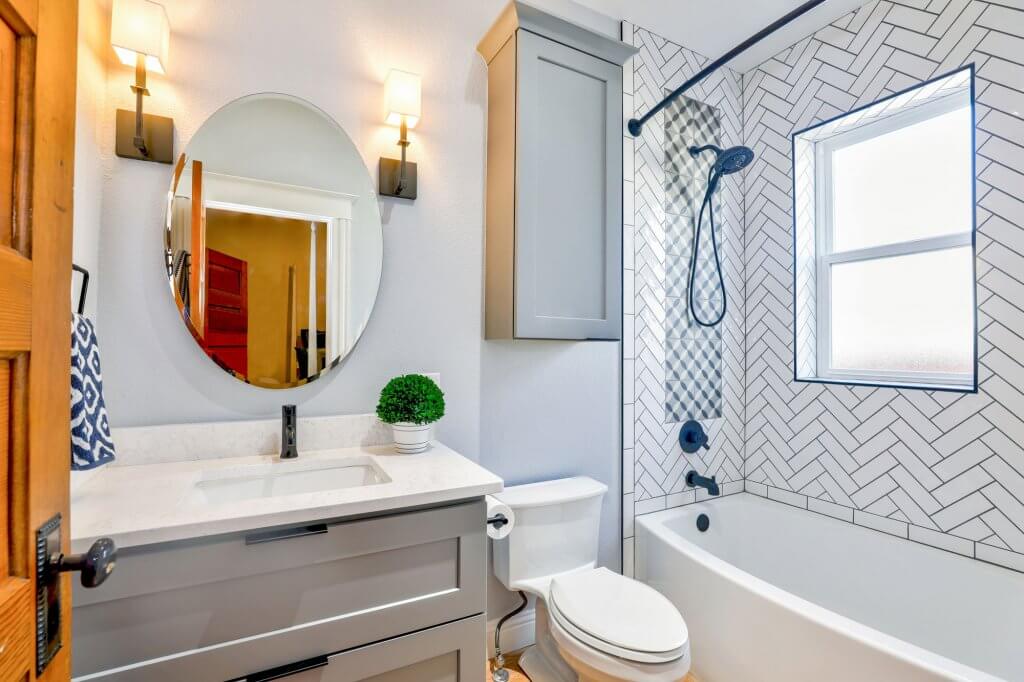
Named for its similarity to fish scales, this arrangement of rectangles in an L-shaped pattern creates a sense of movement and visual interest by drawing the eye up. In this layout, tiles are arranged so that the end of one vertical tile meets the side of a horizontal tile at a 90 degree angle. It works well for taller spaces like a shower.

If you want to take your herringbone design to the next level, bevelled edged subway tiles will add even more dimension to your space. Many interior designers love this modern look to the classic flat subway tile.

Herringbone at 45 degrees

Another impressive herringbone design is to rotate your subway tiles at 45 degrees. This pattern looks great on floors or walls. It works well for smaller spaces because it keeps your eyes moving around the room making it appear larger than it is. If you want to draw attention to a specific area, then herringbone is the way to go.

Basket weave

Interchanging pairs of horizontally and vertically laid subway tiles creates a grid-like pattern that resembles – you guessed it a woven basket. For the real wow factor, go for a contrasting tile and grout. This will give your weave design a more distinct effect. If you want to be original, a double basket weave pattern will produce an even more modern look.

Mix up the grout

Who said your grout has to be white? One of the easiest ways to modernise your space is to apply a different coloured grout (and it makes for easier cleaning too). Popular choices include black and dark or light grey. Dark grout will make white subway tiles pop out, as will the opposite of black tiles and white grout. If you want to create a more edgy and industrial feel, than a contrasting grout is what you should be aiming for.

Experiment with colour and texture

The original subway tiles were always white, but nowadays subway tiles come in a wide variety of colours, sizes and textures. Make the look of your space your own by experimenting with different shades and surfaces to achieve a trendy yet timeless design. One way you can do this is with colour blocking, which is a great way to break up white tiles.

We’ve all heard how mirrors can help elongate a space and make it look bigger, and you can also achieve the same effect with mirrored subway tiles.


Perth’s tile specialists

Be inspired by Ceramic Tile Supplies’ wide range of premium subway style tiles. Browse our selection of classic and modern designs, or visit our Myaree or Wangara showrooms to view the full range on display.