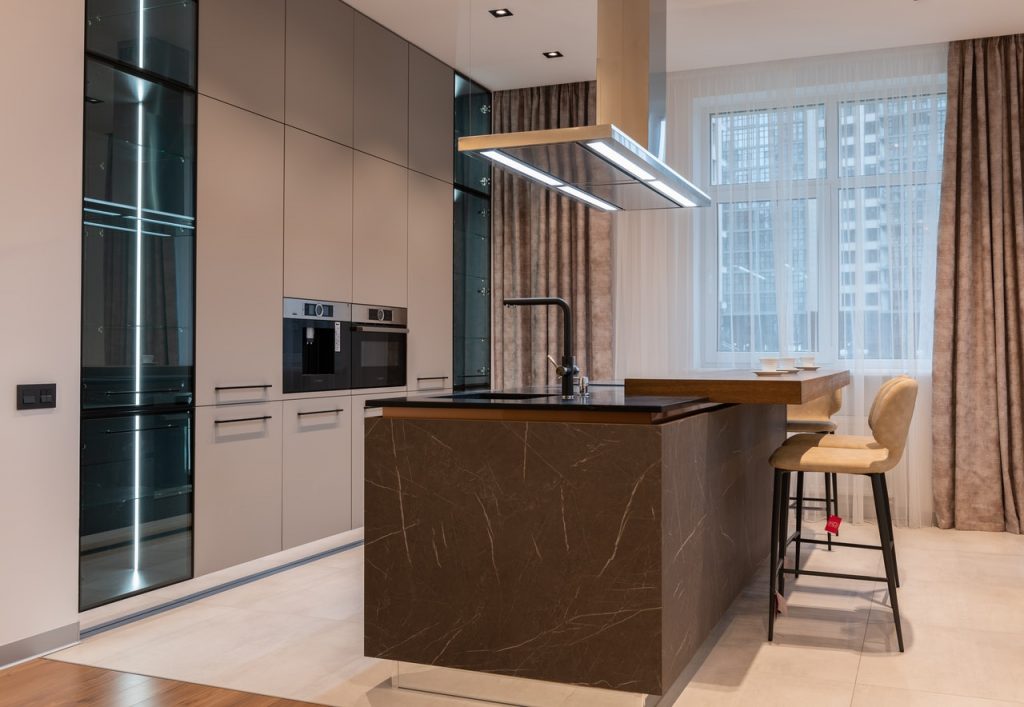
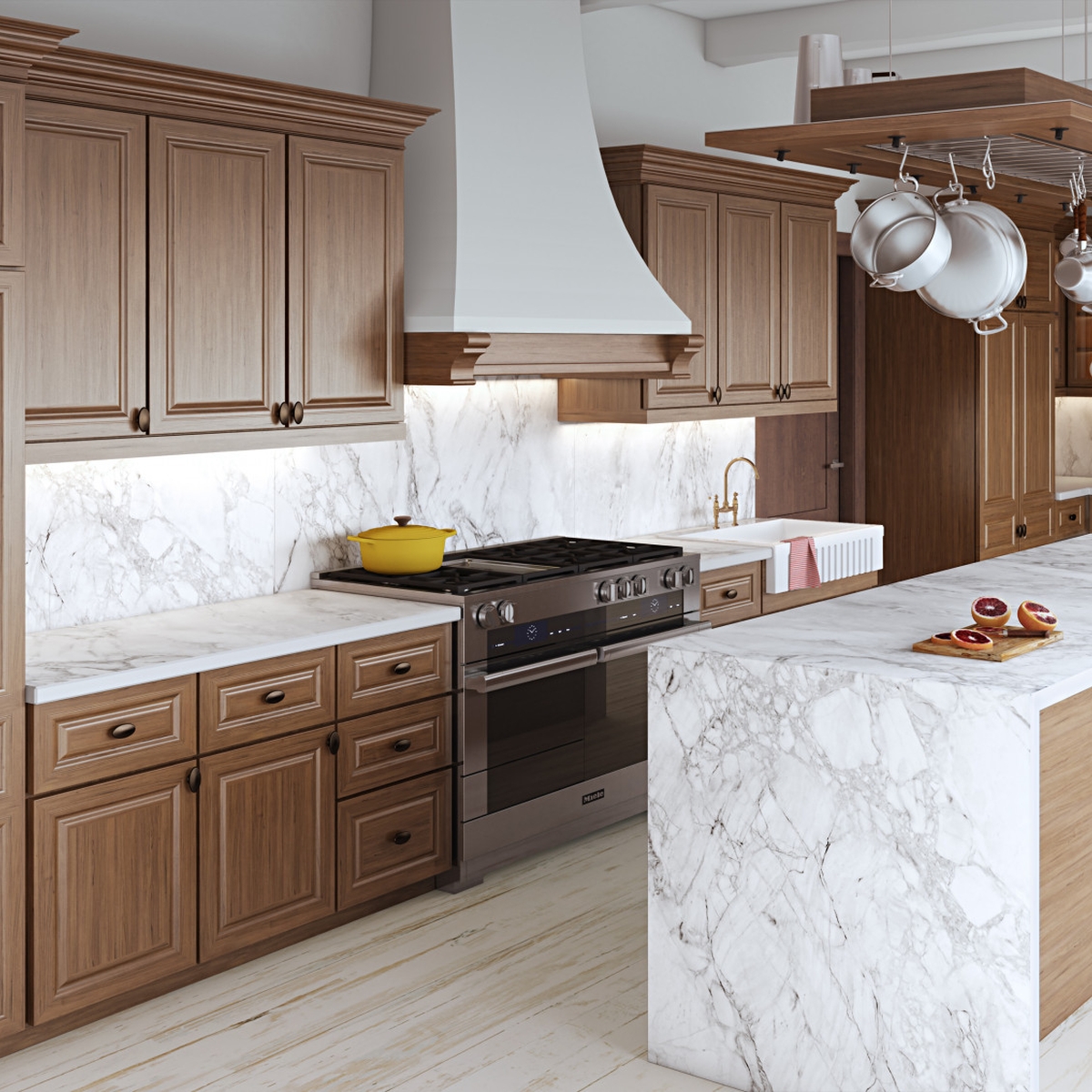
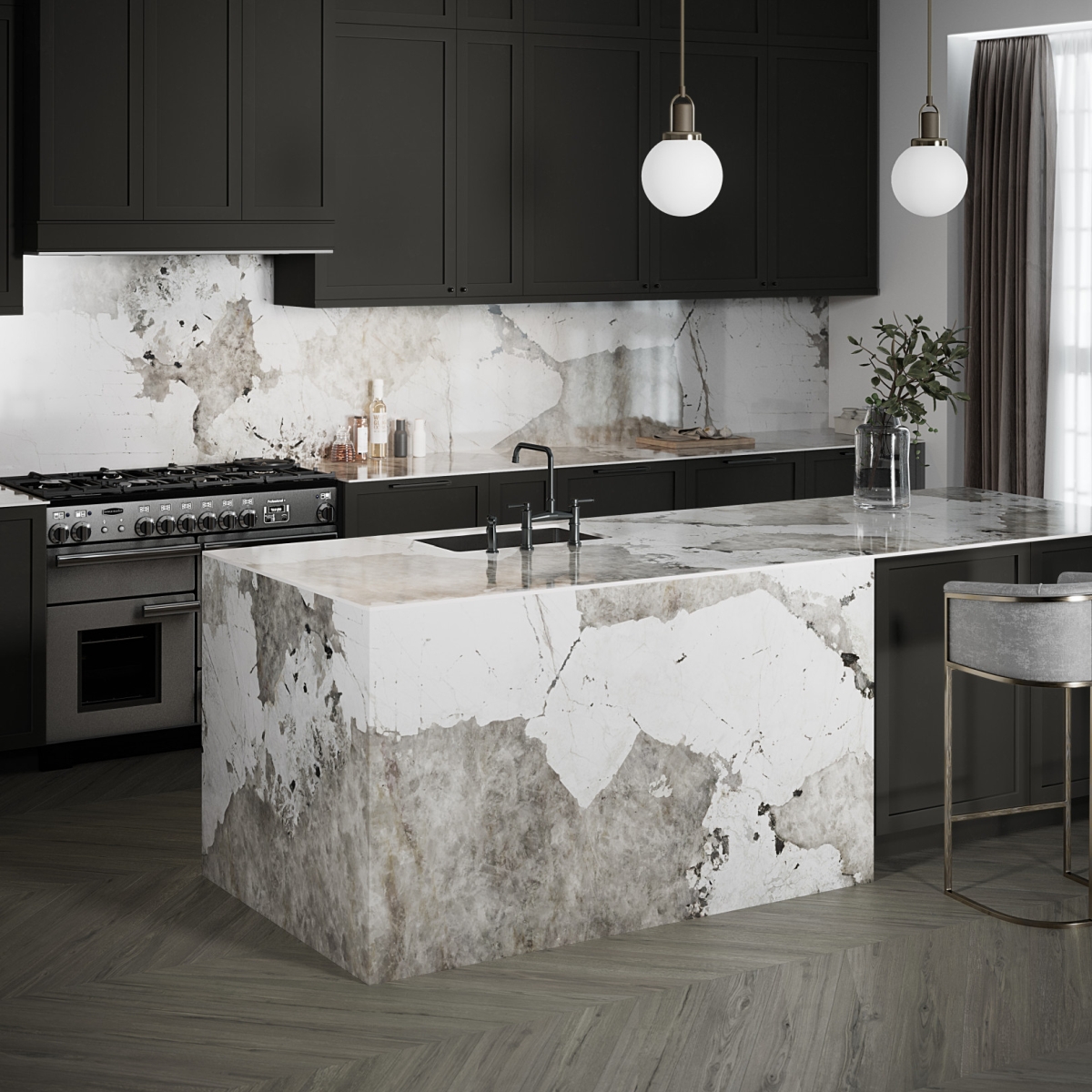
With the constant activity in the kitchen, choosing the right tiles and colours is essential to build a long-lasting kitchen interior whose design won’t look outdated after just a few months or years.
AIzaSyCx0PM-3N_RmbMTt2SRm-GX9AD-tAsfpC8
Skip to main content
With the constant activity in the kitchen, choosing the right tiles and colours is essential to build a long-lasting kitchen interior whose design won’t look outdated after just a few months or years.
Choosing between timeless and trendy kitchen tiles depends on how a homeowner wants their kitchen tile design to function over time. Timeless options focus on neutral colours and established layouts that remain suitable for many interiors, while trend-based kitchen tiles introduce stronger colours, patterns, or textures that reflect current design movements.
For homeowners in Perth planning a renovation or new build, the choice of kitchen tiles can influence the visual balance of the space and how adaptable the kitchen tile design remains in future updates. Understanding the differences between enduring styles and trend-driven designs helps homeowners make informed decisions that align with their preferences and long-term plans.
A kitchen tile design generally falls into two broad categories: timeless styles and trend-driven styles. Both types of kitchen tiles serve different purposes depending on the goals of the homeowner.
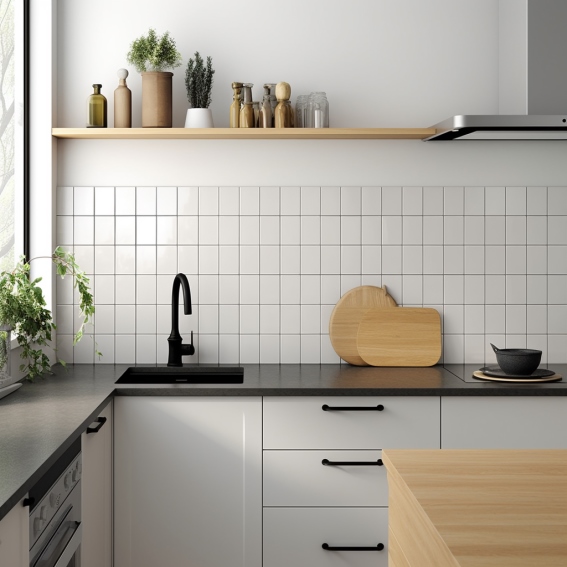
Timeless options prioritise neutrality and long-term compatibility with different interior styles. Classic kitchen tiles typically include simple finishes, restrained colour palettes, and familiar layouts such as subway or large-format tiles.
Trend-based kitchen tiles, on the other hand, often reflect current interior design movements. These may include distinctive shapes, bold colour palettes, or intricate surface patterns.
Neither approach is inherently better. The choice between them often depends on how frequently a homeowner expects to update their kitchen tile design.
Timeless kitchen tiles are characterised by restrained colours, simple layouts, and materials that remain widely used in residential kitchens. These tiles often serve as a neutral base within a broader kitchen tile design.
Homeowners who prefer stability and flexibility often consider classic kitchen tiles because they allow other design elements—such as cabinetry, lighting, or décor—to change over time without requiring tile replacement.
Timeless kitchen tile design typically prioritises clarity and balance rather than strong visual contrast.
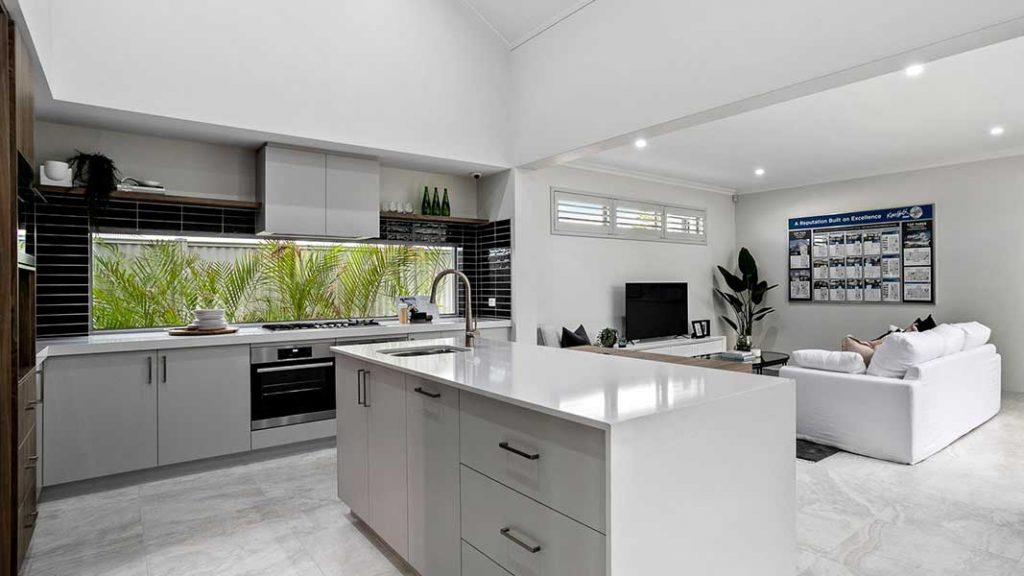
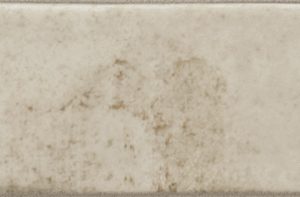
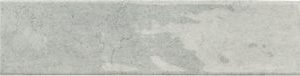
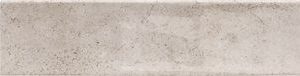
Minimalist kitchen tiles are one of the most common timeless choices. They often include neutral shades such as white, grey, beige, or black. These colours integrate easily into many kitchen tile design approaches.
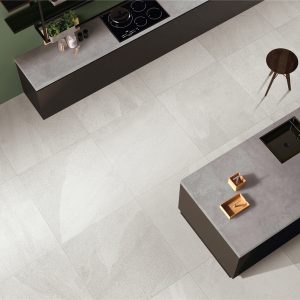
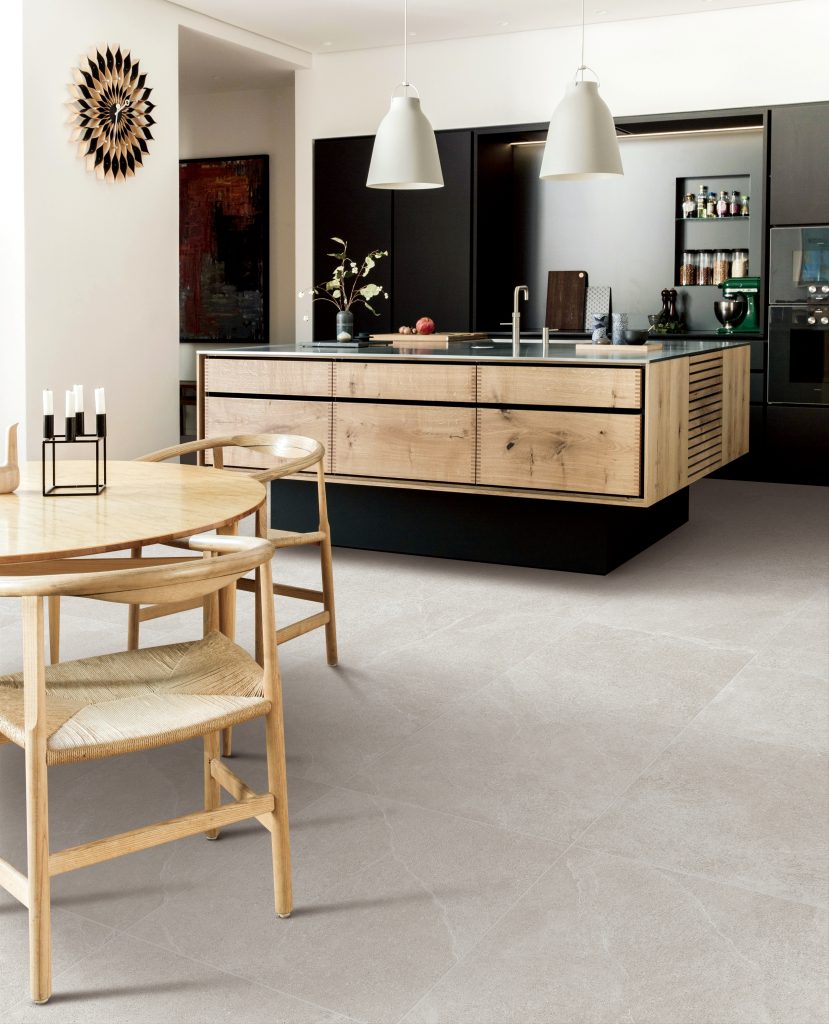
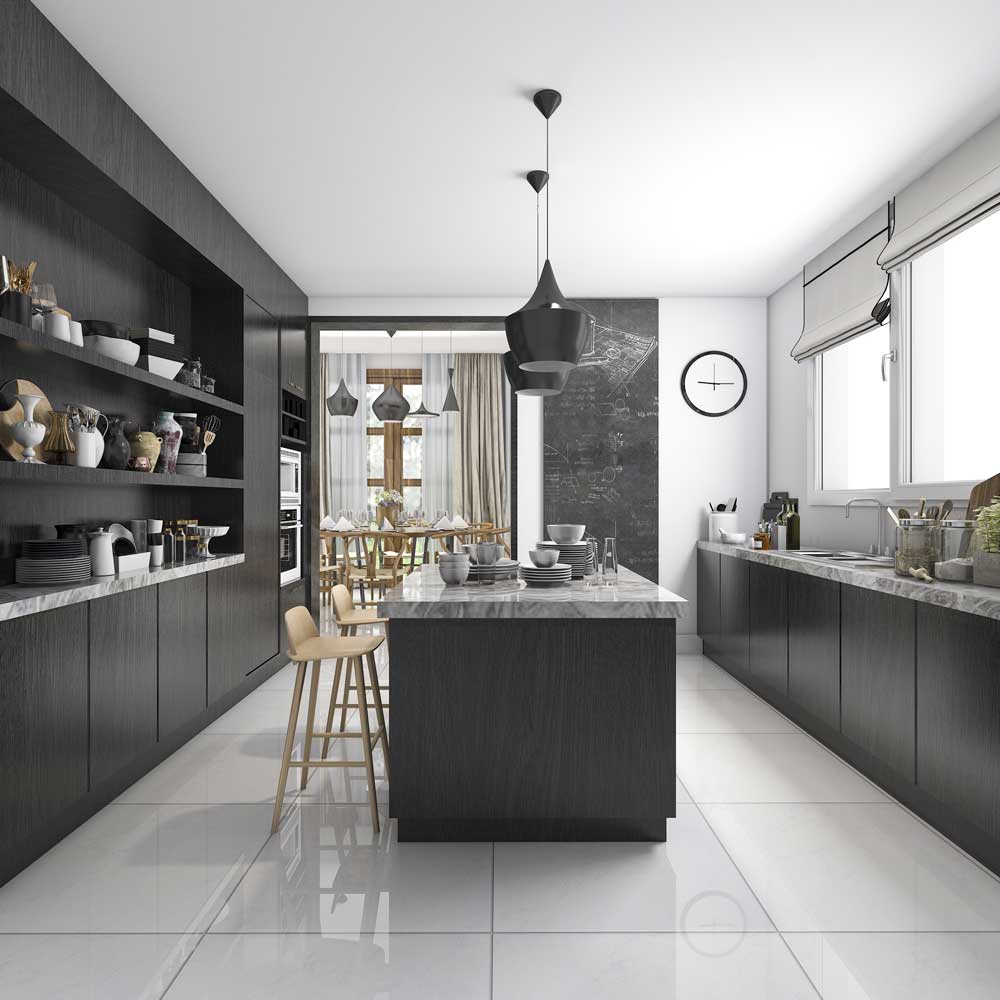
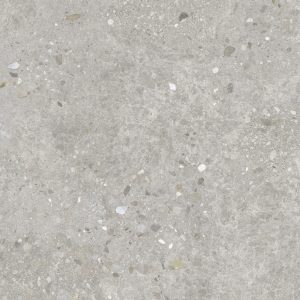
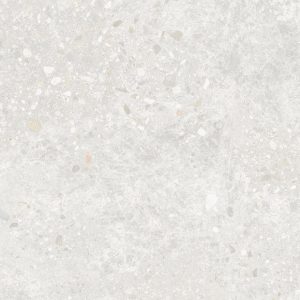
Large-format tiles, stone-look ceramics, and subtle matte finishes are common examples. Many classic kitchen tiles follow minimalist principles because they minimise visual clutter and allow other elements of the kitchen to stand out.
For Perth homeowners planning long-term renovations, minimalist kitchen tiles can provide a stable foundation for a kitchen tile design that remains adaptable over time.
Subway kitchen tiles have remained common in residential interiors for over a century. Originally used in early twentieth-century transport systems, the rectangular format has since become a widely recognised element of classic kitchen tiles.
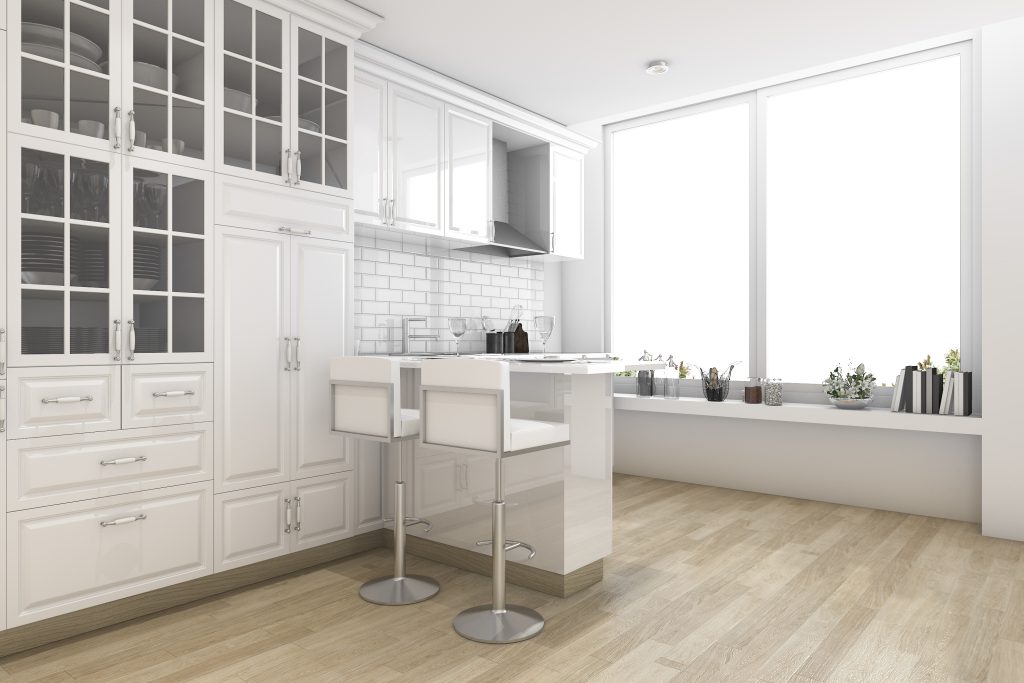
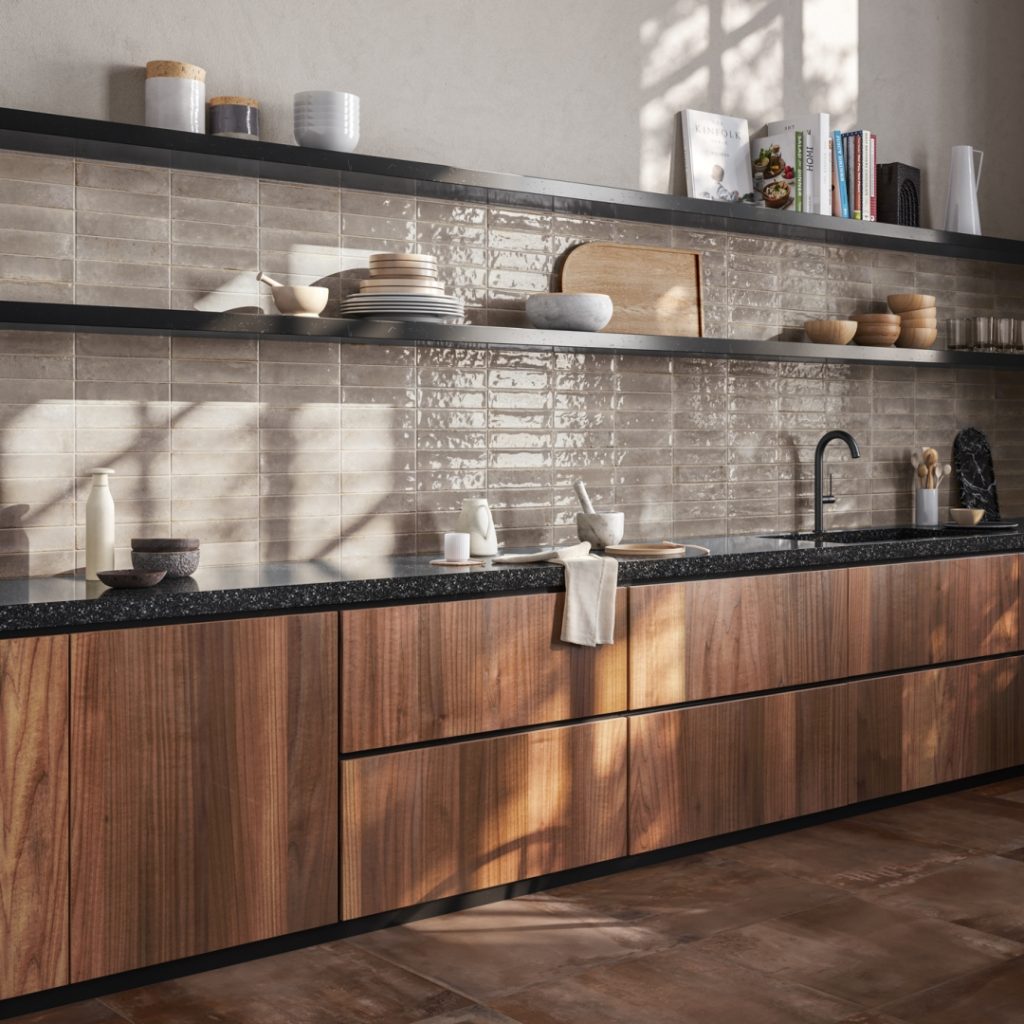
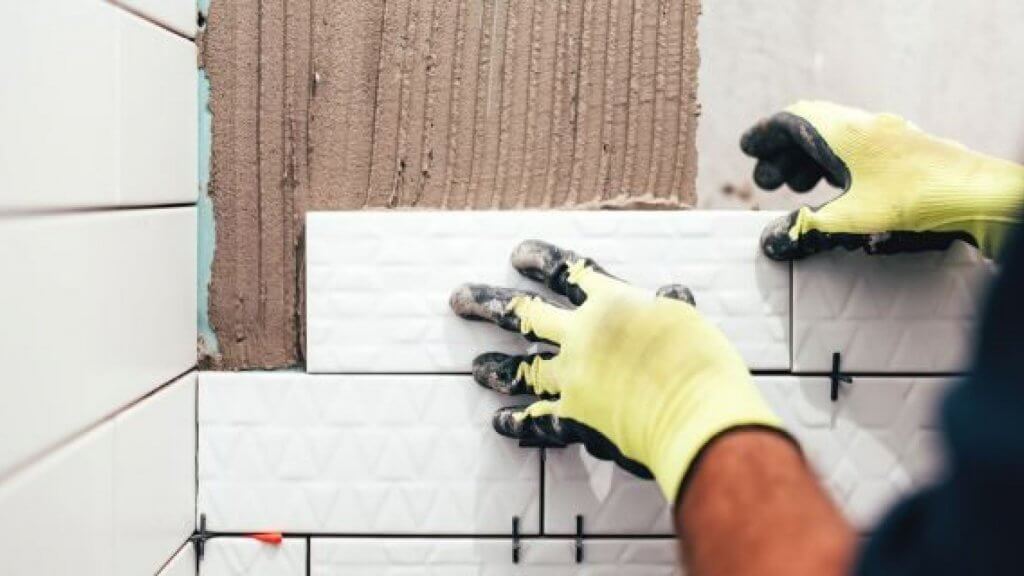
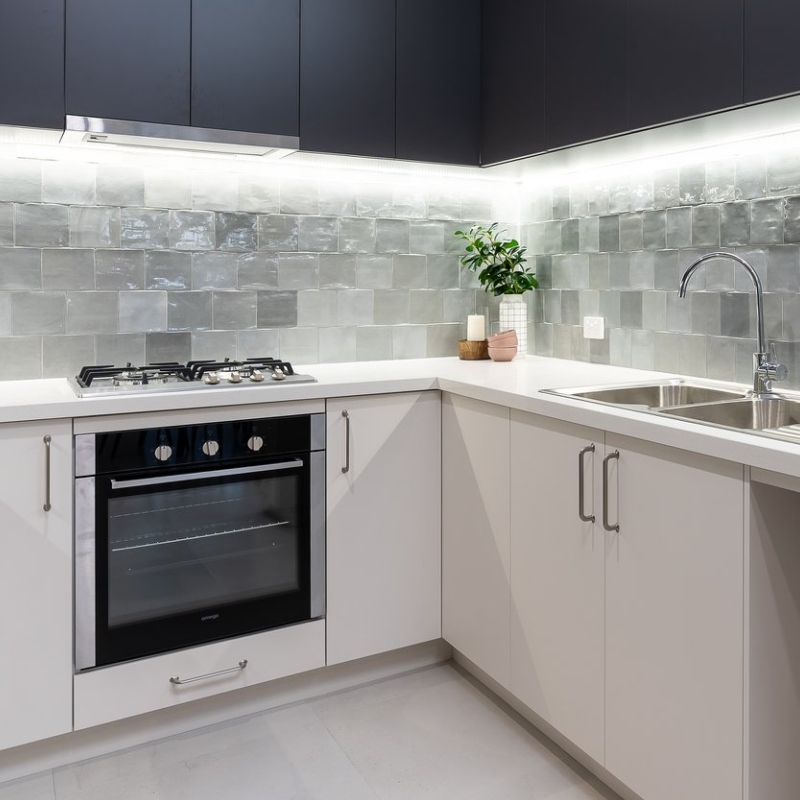
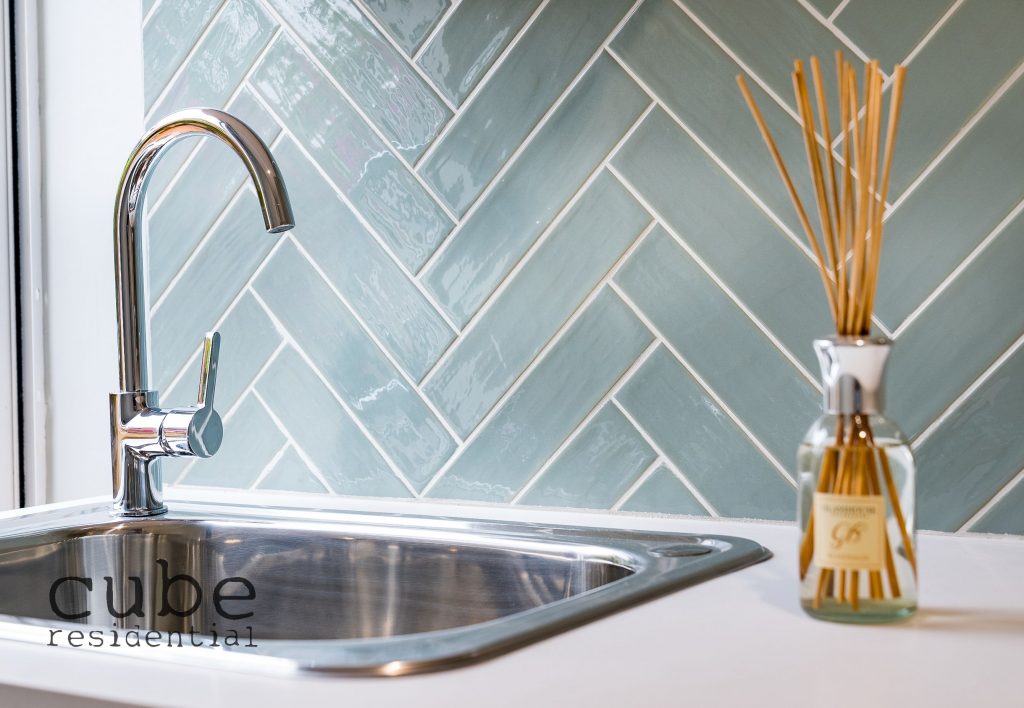
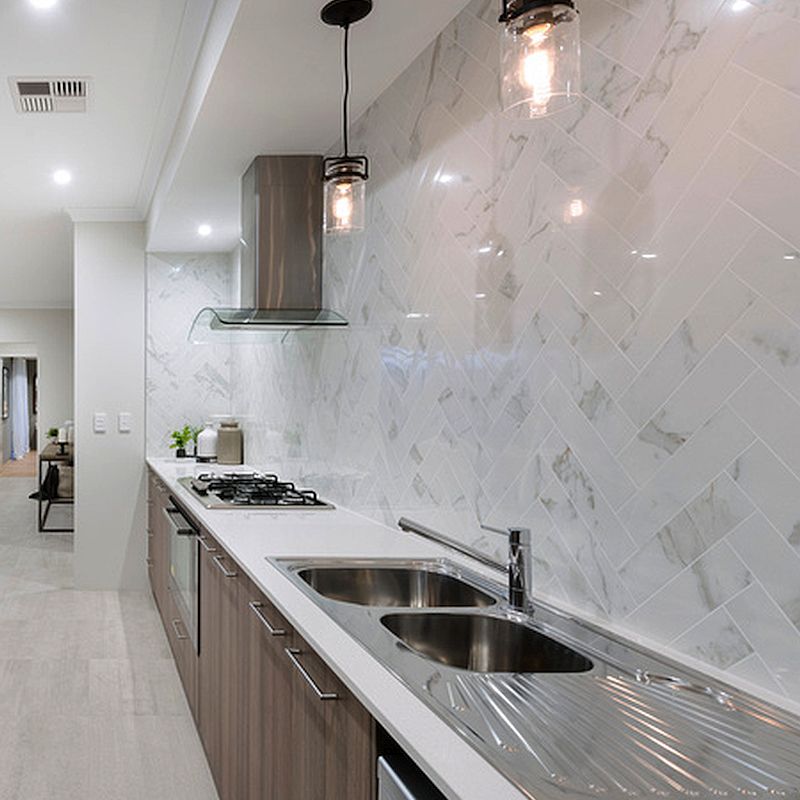
In modern kitchen tile design, subway tiles are often installed as splashbacks, behind cooktops, or along preparation areas. The arrangement pattern—such as horizontal stack, vertical stack, or herringbone—can change the appearance while maintaining a familiar tile shape.
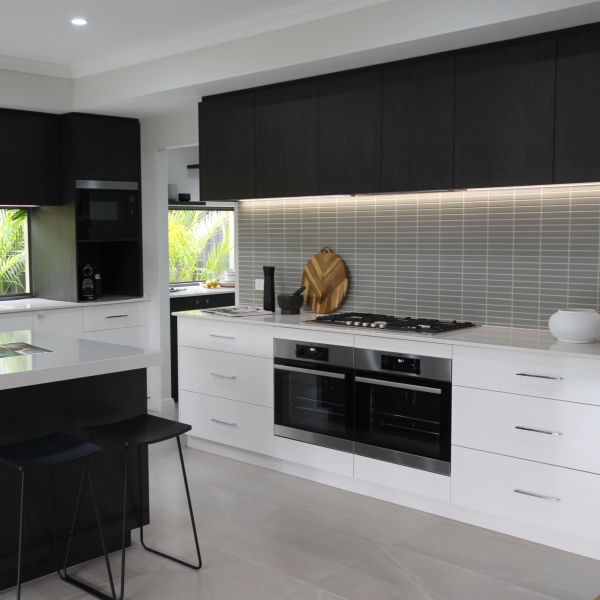
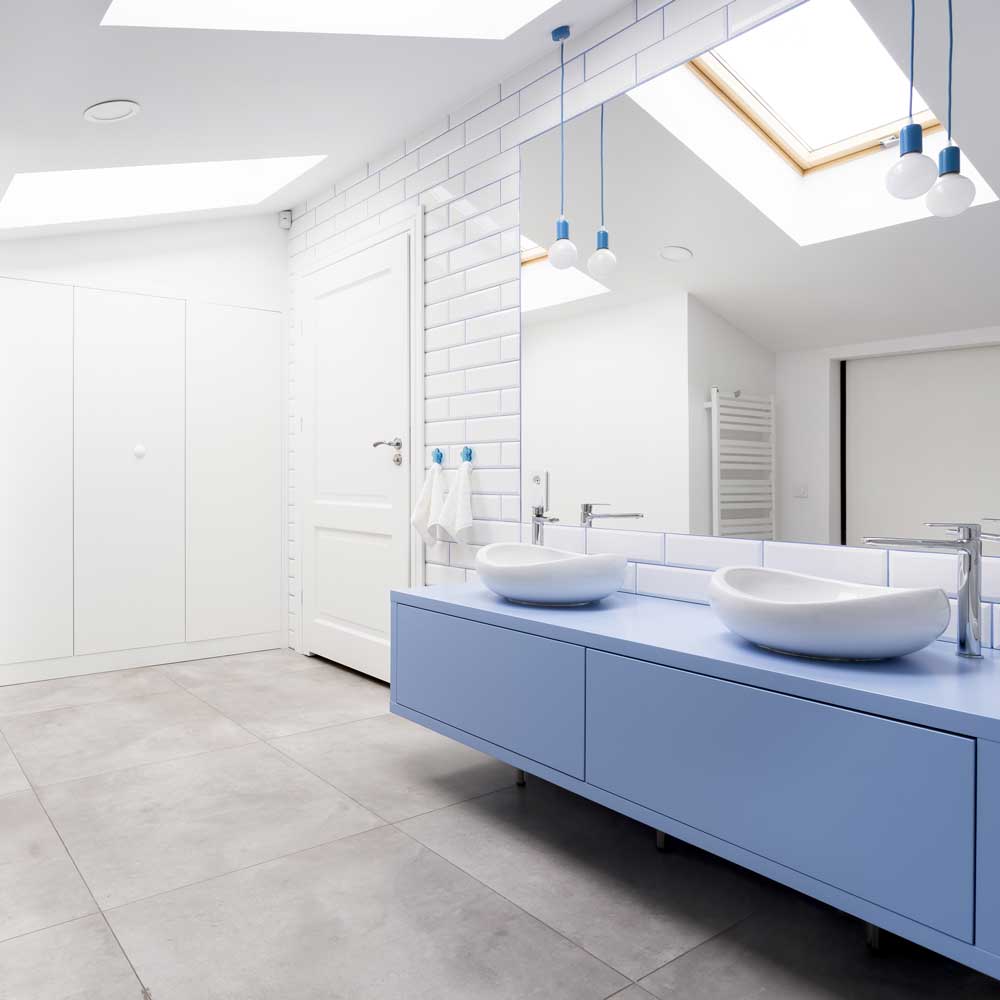
Neutral colours such as white, grey, and charcoal continue to be widely used in subway kitchen tiles because they maintain visual clarity across many kitchen styles.
Trend-focused kitchen tiles allow homeowners to introduce distinctive elements into their kitchen tile design. These tiles may incorporate stronger colour contrasts, geometric layouts, or decorative surfaces.
While trend-based designs can create visual interest, they may also reflect particular design periods. As a result, some homeowners choose to apply these kitchen tiles in smaller areas rather than across the entire kitchen.
Combining trend elements with classic kitchen tiles is a common strategy for maintaining design balance.
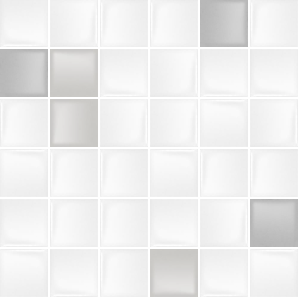
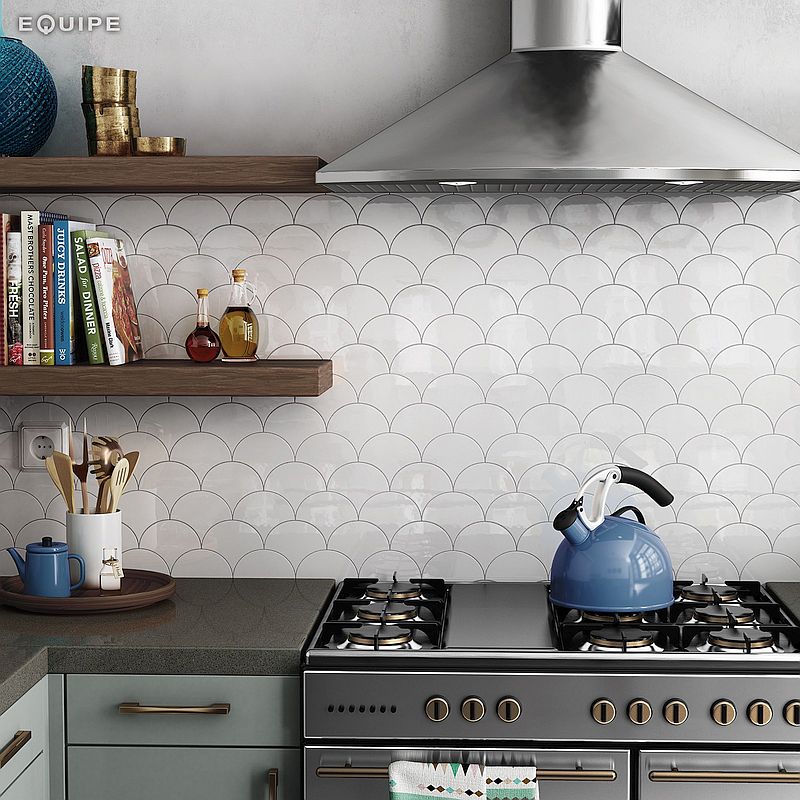
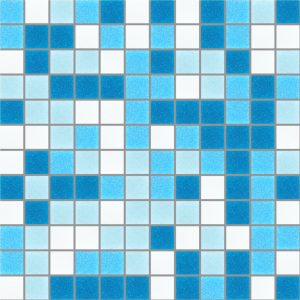
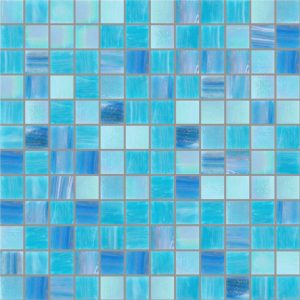
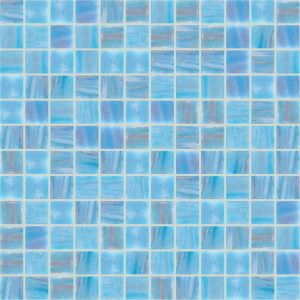
Mosaic kitchen tiles are composed of smaller tile pieces arranged into repeating patterns. They are often used to create feature areas such as splashbacks or accent panels within a kitchen tile design.
These tiles can incorporate glass, ceramic, or porcelain materials and may include geometric or curved layouts. Mosaic kitchen tiles allow homeowners to introduce pattern variation without covering the entire kitchen surface.
When integrated alongside classic kitchen tiles, mosaic designs can create focal points while maintaining overall balance in the kitchen tile design.
Coloured kitchen tiles introduce stronger visual contrast into a kitchen tile design. Blues, greens, pinks, and other saturated colours may appear in splashbacks or accent walls.
The psychological influence of colour is often considered during kitchen planning. Some colours are associated with energy, calmness, or brightness, which can influence the atmosphere of the space.
Because colour preferences change over time, some homeowners pair bold kitchen tiles with classic kitchen tiles to maintain flexibility if future updates are required.
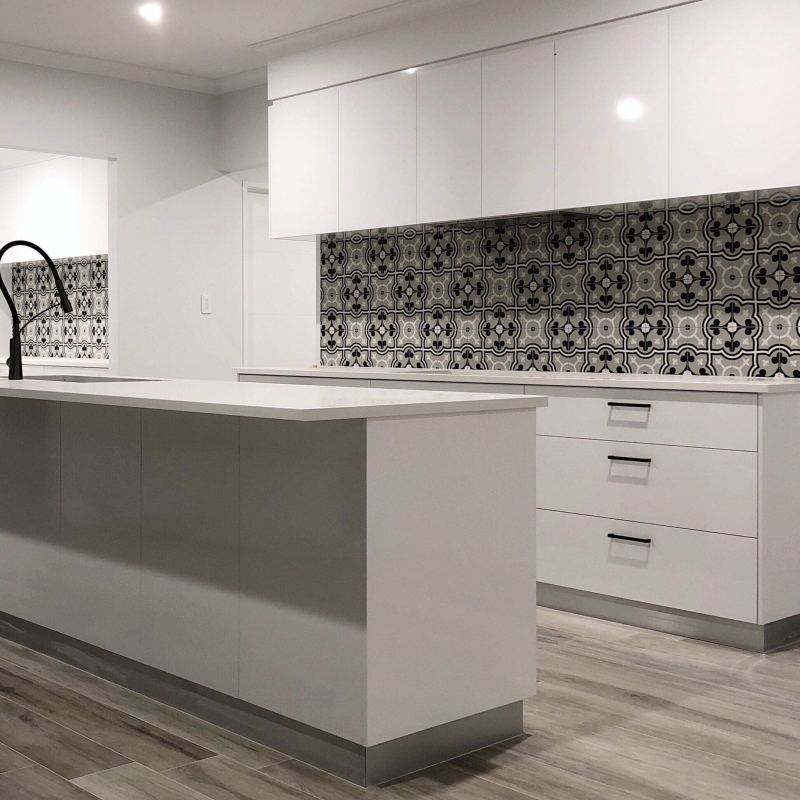
Decorative kitchen tiles include printed or embossed surfaces that create repeating visual patterns. These tiles have historical roots in European architectural traditions, particularly within Spanish and Mediterranean interiors.
In modern kitchen tile design, decorative tiles are often used in smaller areas such as splashbacks, feature strips, or under shelving.
Using patterned kitchen tiles selectively helps prevent visual overcrowding while allowing homeowners to introduce cultural or artistic influences into the kitchen tile design.
When selecting kitchen tiles, Perth homeowners often evaluate several practical factors beyond visual style.
Lighting conditions can influence how colours and textures appear within the kitchen tile design. Natural light may emphasise reflective surfaces, while artificial lighting may highlight grout lines or patterns.
Material durability and maintenance requirements also influence tile selection. Some classic kitchen tiles use glazed ceramic or porcelain surfaces that are commonly used in kitchens due to their resistance to moisture and staining.
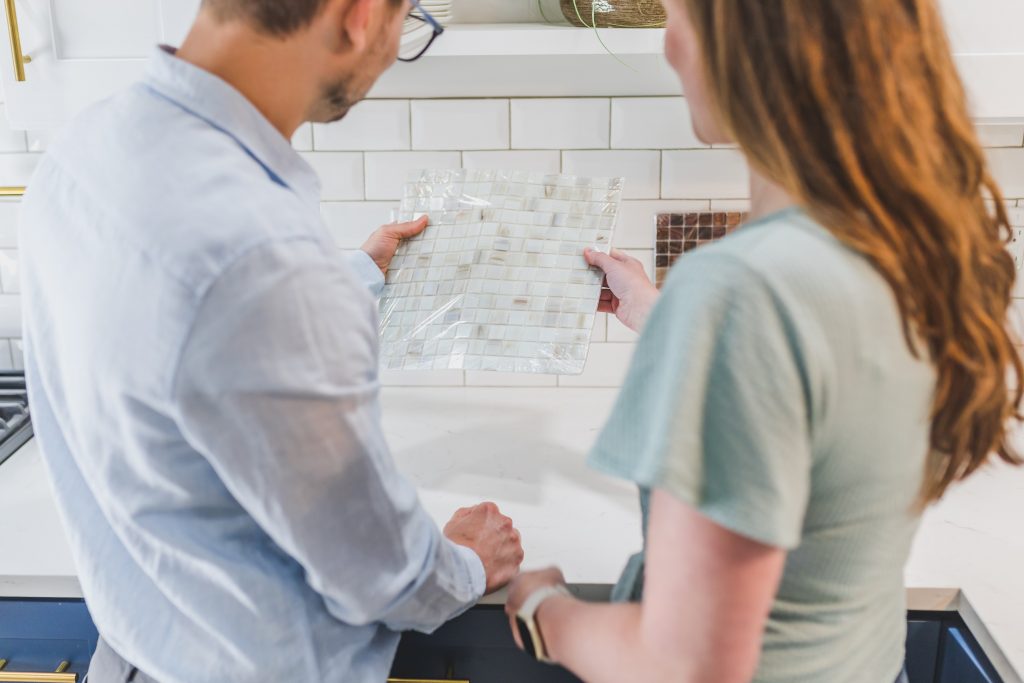
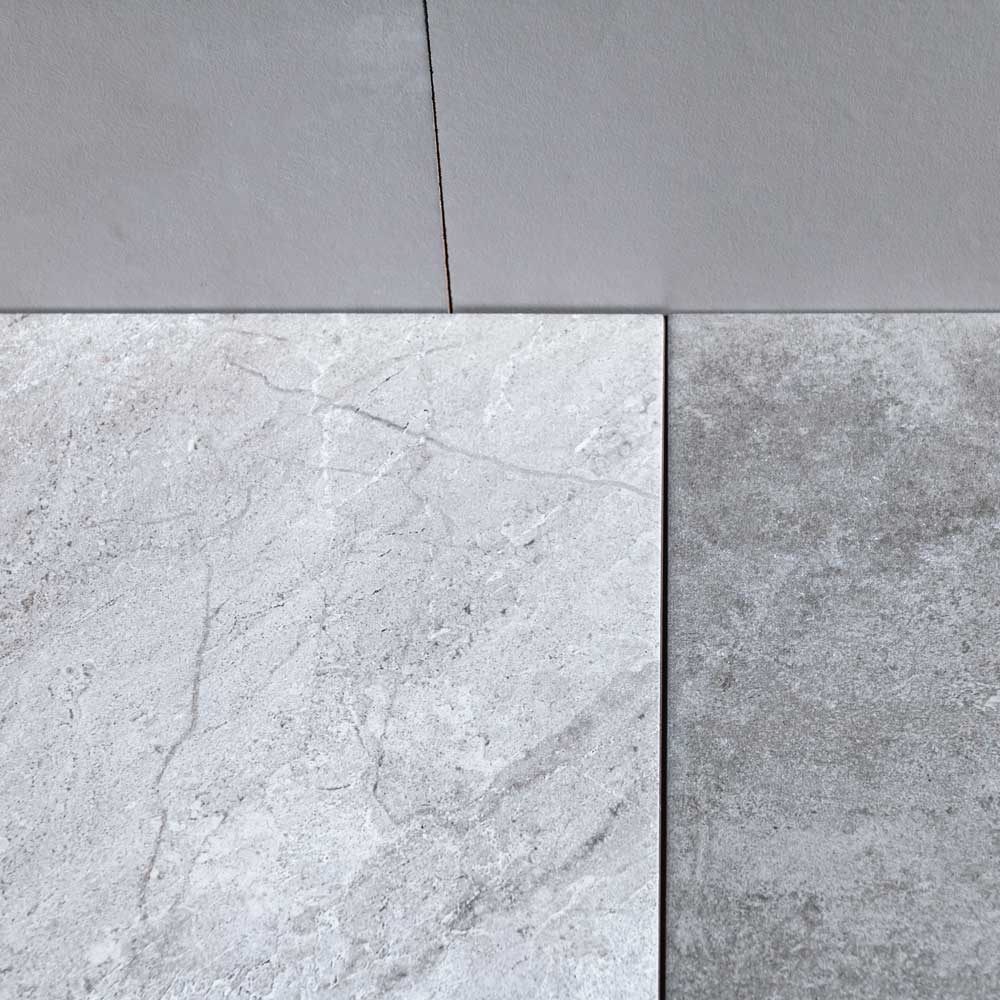
Viewing kitchen tiles in person is often recommended before finalising a kitchen tile design. Tile size, texture, and colour tone can appear different in physical environments compared with digital images.
Choosing between timeless and trend-based kitchen tiles involves balancing long-term adaptability with personal style preferences. Timeless options such as neutral ceramics and subway layouts remain widely used in classic kitchen tiles, while trend-focused options introduce colour, pattern, or texture into a kitchen tile design.
Many kitchens combine both approaches by using classic kitchen tiles for the main surfaces and applying trend elements in smaller areas. This approach allows homeowners to maintain design flexibility while still expressing individual preferences.
By understanding the characteristics and limitations of different kitchen tiles, homeowners can make informed decisions that support a practical and visually balanced kitchen tile design.
Timeless kitchen tiles generally include neutral colours, simple shapes, and widely used formats such as subway or large-format tiles. These styles are often associated with classic kitchen tiles that remain compatible with many interior designs.
Trend-focused kitchen tiles are not necessarily risky, but they may reflect specific design periods. Some homeowners choose to incorporate them into limited areas of a kitchen tile design to maintain flexibility for future updates.
A common approach is to use classic kitchen tiles for large surfaces such as walls or floors, while adding patterned or coloured kitchen tiles in splashbacks or feature sections.
Yes. Viewing kitchen tiles in person helps homeowners evaluate colour tone, surface texture, and tile size. These factors are important when planning a complete kitchen tile design.
Light-coloured kitchen tiles and simple layouts are commonly used in smaller spaces because they maintain visual clarity. Many classic kitchen tiles follow this approach.
When it comes to home renovations, you want everything to be perfect. From the colour scheme, to the accessories, to even the lightbulbs you choose—every component plays an important role in creating the atmosphere and ambiance of the space.
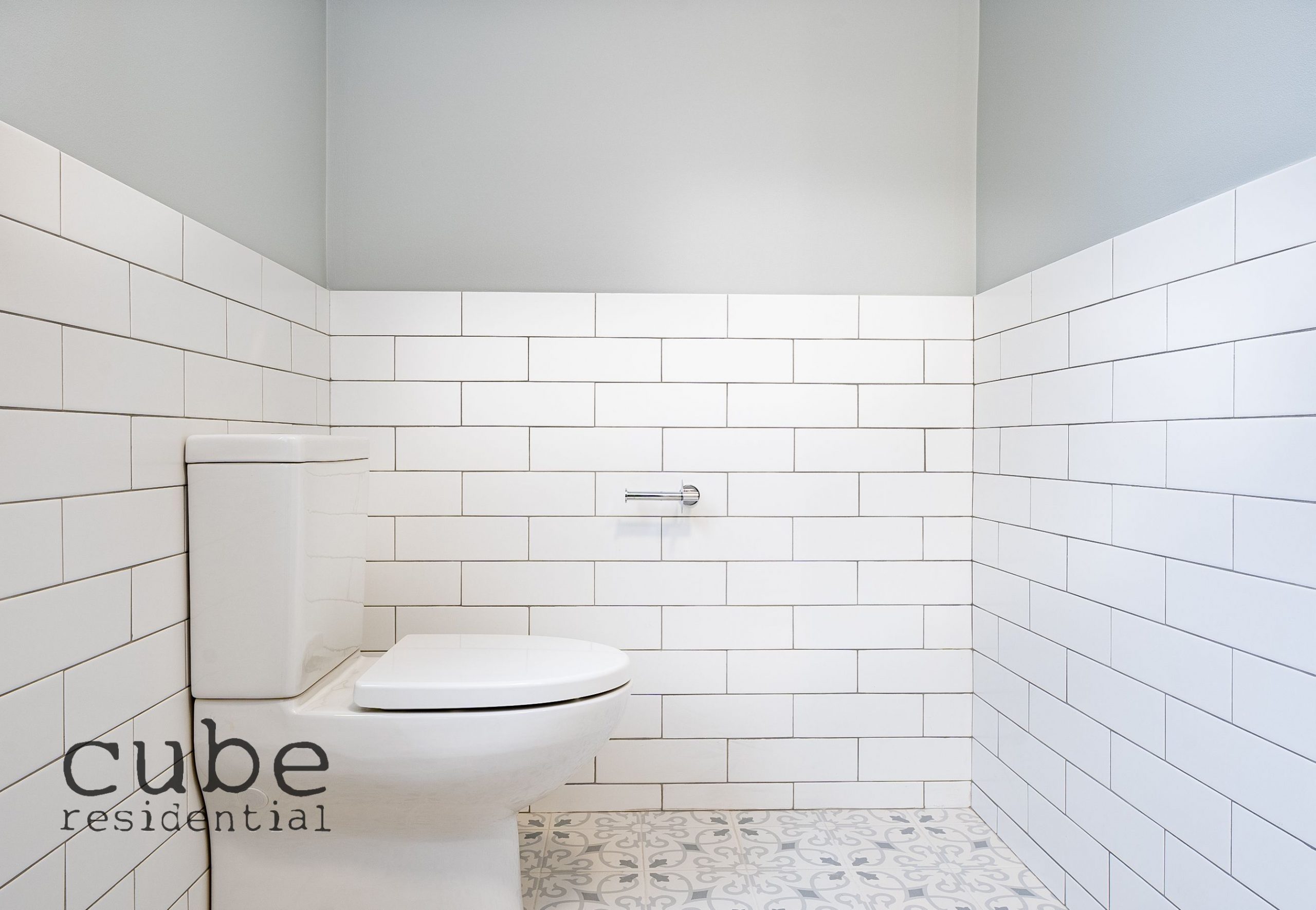
The kitchen splashback is the pièce de résistance to your kitchen interior. The kitchen splashback is not only an aesthetic essential but also a practical component to your kitchen that protects the wall’s surface. Without the splashback ceramic tiles, steam from pots, oil bursts from pans and everyday splashes fall onto the wall’s surface, damaging paint and plaster. Not to mention, if you don’t have the ceramic tiles, it completely alters the overall look and feel of your kitchen, making it look unfinished.
We understand that when you’re building or renovating your kitchen, costs can quickly add up. It can be hard to balance meeting your budget with choosing materials and designs you’re going to enjoy in your home. It can feel as though you have to choose one or the other – sticking to budget or choosing the ceramic tiles you want. But – we have good news for you…
In this blog, we explain how you can bring to life your dream kitchen splashback whilst ALSO staying on budget. Yes, it’s possible!
If you’re looking to save money on your tiling project, head to the clearance section of our showroom. Many people are surprised to discover that we offer a selection of ‘end of the line’ tiles available at heavily discounted prices. With limited quantities available, our clearance tiles are great options for small-scale projects… such as a kitchen splashbacks.
Our clearance tiles at CT Supplies although are discounted, they’re still of top quality, making for excellent additions to your kitchen interior… no one will even know they’re from the ‘sales rack’!
We’re regularly adding ceramic tiles to the clearance section, which means you have the choice of a wide variety of different styles, colours and patterns! Choose between glazed or polished rectified porcelain, non-rectified porcelain, non-rectified stone look tiles and timber look tiles. All originally sourced and imported directly from the finest tile manufacturers in Italy, Spain, Portugal, Turkey, Japan and China. The hardest bit will be choosing which tiles to buy!
It’s always a good idea to see our selection of clearance tiles in person before you commit to a purchase not only does this help with colour selection but there are more available than what is shown online.
Another great way to save on costs, is building the kitchen splashback yourself!
Over the last few years, building costs have rapidly increased due to an unfortunate combination of higher energy costs, material shortages and skilled labour shortages. This means for anyone completing a building project, you’ll need to prepare yourself for a higher outlay than previous years. In fact, over the last 12 months, building costs have gone up by 10.4% – the second highest annual increase in construction costs in history. To reduce costs, complete DIY projects where possible.
If you’ve never completed a DIY project or worked with ceramic tiles before, this might be a daunting suggestion for you. However, once you have all of the necessary resources, materials and tools – you’ll discover it’s easier than you think plus, the great enjoyment you’ll get from completing a home DIY project is incredibly rewarding.
There are areas of the kitchen that require a splashback for regulation purposes. These are; behind sinks for waterproofing and behind cooktops to create a fire retardant space between wall and cooktop. All other areas can be minimal and are only really required aesthetically to make the area look complete.
If you had your eye on a particular tile design and/or you didn’t want to commit to a DIY project – try reducing the splashback area. Kitchen splashbacks don’t have to be large, keep your kitchen splashback to only essential areas to reduce costs.
Of course, reducing the size of the ceramic tile splashback comes with a drawback. Reducing the size of your kitchen splashback might compromise the design and aesthetics of your kitchen. If you’re unsure whether the smaller kitchen splashback suits your home, take a few photos and bring them into one of our Showrooms to consult with a Ceramic Tile Supplies team member. Consulting with one of our design experts will clarify any concerns or questions you may have.
If you’re unsure where to start with your kitchen splashback, talk with our team! We’ve got years (and years!) of experience with designing and renovating different tile projects.
Before popping by one of our Perth showrooms, measure out the area you’re hoping to install your kitchen splashback, make note of overhead cabinet heights and determine a budget you’re hoping to stick to. Take any photos of the space that might be useful to our team. Bring this information in with you on your visit and our team here at Ceramic Tile Supplies will do our best to meet your needs.
We’re here to bring to life your dream kitchen splashback.
Simply put – glazed ceramics have a smooth, glossy surface that is created by adding a liquid glass to the clay body. Unglazed ceramics (as the name suggests) aren’t glazed and instead are often solid or speckled subdued colours with no shine.
Both unglazed ceramics and glazed ceramics hold many practical and aesthetic benefits. Whereas some people enjoy the shiny cleanness glazed ceramics offer, others enjoy the raw earthiness unglazed ceramics present. Depending on your personal preferences and requirements will determine which option will be best to choose.
Read further to discover whether you should choose unglazed or glazed ceramics.
A ceramic glaze is a thin layer of material that is applied to the surface of a porcelain and ceramic object in order to give it a protective layer.
Glazes can be made from a variety of materials, including ash, feldspathic, lead, salt or tin, and are typically applied using a brush, sprayer or are dipped carefully into the glaze depending on the ceramic itself. They can come in many finishes not only the gloss that we all know but semi gloss, matt and satin.
Glazing involves firing a piece of ceramic first, this initial firing is called the glost firing, then the overglaze decoration is applied, and then lastly it’s fired again to set the glaze.
Glazed ceramics are a more common choice of ceramic tile that can be used for a wide range of flooring and functional purposes. Glazed ceramics are also great options for outdoor areas, wet areas and commercial use due to their non porous and slip resistant surfaces that can be applied into the glaze.
Unglazed ceramics are simply ceramic materials that have not been given a coating or “glaze.”
Without the glaze, this leaves the surface of the piece of ceramic the same colour as the body. Most unglazed products on the market are top grade porcelain and fired until vitrified (glass like state) making their surface almost as non porous as a glazed tile.
Unglazed ceramics are often used for commercial purposes as they can hide blemishes and chips better than glazed ceramics. Commercial tiles often face high traffic, resulting in more wear and tear of the ceramic tiles. With unglazed tiles, the body is the same as the face so it’s less noticeable if the tile faces damage or wears. Due to the discreteness of marks and blemishes on unglazed tiles, this means there’s less urgency for maintenance thus, reducing maintenance costs.
With functional pieces like bathroom sinks or vanity sets, these are commonly sold as glazed; however, there are unglazed ceramic tiles available for such purposes. Unglazed ceramic tiles for vanity sets require vitrified qualities or a similar mixture/make up that would allow the tiles to perform the same or better than glazed ceramic tiles for a sink.
If you’re tossing up between glazed or unglazed ceramic tiles for your bathroom, it’s important to consider the practicality of each option.
Glazed ceramic tiles are the most popular choice amongst customers. Great to use on the walls and floors because they’re tough, easy to clean and have a great range of images.
These days manufacturers have the ability to print images onto the glazed ceramic tiles, offering a great variety of patterns and bright colours. Inkjet is an impressive piece of technology which gives us the ability to digitally print high-resolution patterns and designs. Many choose to use Inkjet to mimic many different kinds of textures such as marble, granite and limestone. The result is impressive, almost impossible to distinguish from the real-life material.
It’s important to note that the Australian NDIS requires a non-slip standard to all of their bathroom floors to ensure the safety of the carer and client. Non glazed ceramics are often used because of the bigger range of non-slip options.
Although non-glazed ceramic tiles have long relied on their non-slip qualities, glazed tiles are now taking over the non-slip category. Previously non-slip was made by adding sand to the glaze and the result was not a nice finish, imagine sandpaper. Now, with multi layered glazing techniques and new glaze chemistry, the glazed tile can be certified for many of the non-slip requirements.
However, not all glazed ceramics meet the standards. The higher slip ratings are still only available in un-glazed due to the relief patterns on the tiles to create the higher anti slip ceramic tiles (i.e. diamond and rock finish).
For bathrooms (whether it be for commercial or residential purposes) it’s always a good idea to double check the slip resistant rating required for the space. From here, you can then select the best tile to match your requirements. If unsure, speak with our team for assistance.
Similarly to bathrooms, when choosing your kitchen tiles it’s important to consider the slip ratings required for the space. Depending on whether it’s for a commercial setting or for your home kitchen, will change the slip rating requirements.
For commercial kitchen floors, one of the most common and best choices are unglazed vitrified porcelain tiles that have high slip ratings. These tiles often come in ‘matching coving’ which means that the Australian standards are met across the board. These tiles are often specialised to have a relief pattern to allow for users to be raised slightly above the grease or water that may be on the floor causing the slip hazard.
For home kitchen ceramic tiles, unglazed vitrified tiles is an extreme option and unnecessary in most cases. For residential purposes, glazed tiles are most likely to be used. The glazed tiles on the market are more cost effective and have a wider range available – which is very appealing for home owners.
Most residential projects prioritise image clarity, variation and colour brightness. Aesthetics are put at the forefront for most home projects, making the glazed ceramic tiles a very attractive choice. In fact, many instantly shy away from the commercial grade unglazed vitrified ceramics due to their less refined appearance.
If you’re on the hunt for high quality unglazed ceramic tiles, look no further than our TopCer and Marazzi (Tracks and Graniti) non-slip options.
The Topcer range comes in many colours and is liked by the commercial builders, designers and architects for its soft solid colours that can be mixed into a pattern or paired with the matching corner edge coving. You’ll often spot the Topcer range in commercial kitchens, cafes, restaurants, schools and sports facilities. Where durability meets aesthetics, Topcer is an excellent choice.
The Murazzi range has a larger format option in the high slip ratings that is often used on commercial balconies and entry areas.
The question of glazed VS. unglazed was more of an issue about 30 years ago when glazing techniques were still being refined. Back then there were different levels of glazing and many would be only suitable for residential low traffic areas and only a limited range was suitable for commercial purposes.
Glazed porcelain tiles are now made strong and tough enough to withstand even high traffic commercial applications. Therefore high quality glazed porcelains are not only the more common product on the market now but are the best option for most uses.
Often, it can come down to budgets and aesthetics when choosing between unglazed and glazed ceramic tiles. The best approach is defining your budget first and then seeing what your options are. If you’re installing ceramic tiles in a sensitive area such as a commercial kitchen or NDIS bathroom – ensure the non-slip requirements are met.
Choosing the ceramic tiles for your home or business is a big decision. It’s often the first component of the interior people see when walking into a space. It makes sense that you take the time in deciding which ceramic tiles to install and ask any questions that pop up along the way.
We recommend popping into one of our showrooms (Myaree or Wangara) and seeing the tiles in person. We have a wide range of glazed and unglazed ceramics to choose from that are always best seen in real life rather than over a screen.
Check out our opening times, and we look forward to having you down here soon!
If you’re currently renovating your Perth kitchen, redesigning your bathroom or, you’re simply a lover of interior design – you would have stumbled across subway tiles. Subway tiles are growing in popularity, and taking platforms such as Pinterest and Instagram by storm. Once you discover the sheer class and sophistication of subway tiles, you can understand why they’re becoming a must-have for every Perth home.
Subway tiles have obtained their name from the iconic walls of the New York subway system.
Although at first the idea of “subway tiles” might suggest negative connotations (stifling underground train station perhaps?), you best cast those thoughts aside as subway tiles embody a classic vintage aesthetic that is incomparable. Generally, subway tiles are rectangle ceramic tiles laid horizontally with a 50% offset. However, over time, subway tiles have been modernised and experimented with to offer a great variety of design options for homes.
Explore more about subway tiles below.
Extremely versatile, subway tiles can be incorporated in your home in countless ways. Our favourite ways to add subway tiles to your home…
1, Kitchen splashback. A lot of time is spent in the kitchen – cooking, hosting and spending time with the family. You want to make sure your kitchen embodies just as much class and character as the rest of your home. Including subway tiles in your kitchen splashback makes for an eye-catching and impressive feature, making you feel confident hosting your next event.
2. Bathroom feature. The bathroom has been dubbed as one of the most important rooms of the house when it comes to design. It makes sense when you consider that every person that visits your home, is going to at one point or another, visit your bathroom. That’s why subway tiles are becoming an increasingly popular design feature for Perth home renovations.
Subway tiles have a long list of benefits varying from their visually grabbing design to their easy installation.
Since subway tiles were first installed in the New York subway, interior designers world-wide have played with the classic design. With a great selection of different patterns, you never have to worry about having the same design as your neighbour. Other variations of the subway tile include:
Alongside choosing your subway tile pattern, you can also play with the colours and textures of the tiles. You can keep your design minimalist and classy with white or, you can add a splash of colour to match the interior of your home. Many people choose to mix and match colours, choosing different hues of blue or selecting two complimentary colours to add a pop to your room. The options are truly endless, browse our offerings and find your dream design.
Talk with our Ceramic Tile Supplies team today for expert advice and help for your tile needs. We’re only a phone call away and are always happy to answer any and every question.
500 in stock
A new splashback is an easy and effective way to revive your kitchen. It’s an opportunity to express your personal style in a space often surrounded by neutral benchtops and cabinetry.
Tiles are a popular option, as they’re durable, wipe clean and are easy to install. Want to really make an impact with maximum colour and texture? Go for a mosaic tiled splashback.
Technology has come a long way with the design and manufacture of mosaic tiles.
Mosaic tiles are nowadays available in a wide variety of colours, textures, finishes and materials such as glass, ceramic, porcelain and stone. Striking patterns and beautifully detailed surfaces can be created in your kitchen, all with the use of mosaic tiles.
Unique, stylish and on trend, mosaic tiles were made for the kitchen. Here’s why.
Despite what you may have heard in the past, fixing mosaic tiles isn’t as hard as you think. These days, most mosaic tiles come sheeted with mesh backing, so they are very quick and easy to install. To make your life easier design your cabinet heights to match in with what mosaics you are going to use.
One of the reasons why mosaic tiles are great to use in your kitchen is that they are easy to keep clean. However, extra care must be taken when it comes to the grout so that it doesn’t stain.
Our tip: Use a grout sealant once the splashback is installed so you get maximum protection from stains. This also works for stone splashbacks to give extra life.
Creating a tiled kitchen splashback helps protect your walls from everyday damage. Not only will investing in mosaic tiles add a splash of colour to your kitchen, it will also prevent your walls from coming into contact with grease, food and dirt. It’s a lot easier to clean a tiled wall than it is a stained wall!
The good thing about mosaic tiles is that there are so many options to choose from. You can be bold and experiment with different designs to see which new look will complement your kitchen.
Traditionally, tiled splashbacks are fixed up to the ‘splash zone’ often ending at the cabinetry height or just below the rangehood. Increasingly, we’re seeing kitchen splashback tiles being installed all the way to the ceiling, creating a fresh new look.
Some popular mosaic kitchen splashback tiles include:
The latest trend in mosaics are glass mosaic tiles. When applied, they create a reflective pearly finish, perfect if you’re looking to add a touch of luxury to your kitchen.
There are many shapes and colours when it comes to Stone mosaic tiles. Popular designs are; stacked, fans, herringbone, cubes or squares and hexagonal.
Versatile and eye catching, hexagonal mosaic tiles make for a very stylish kitchen splashback. Blend the grout to the mosaic colours to give you a textural look or mix it up by contrasting the grout to compliment the style.
Kit-Kat mosaics also known as finger mosaics or stick mosaics are gaining momentum in home interiors, especially with splashbacks to create the ultimate modern statement in the kitchen.
Get inspiration from Perth’s kitchen tile specialists! Take a look at our photo gallery for ideas, browse mosaic kitchen tiles online, or view our mosaic splashback tile collection on display at our Myaree or Wangara showrooms.
The kitchen is one of the biggest investments you’ll make when building or renovating your home, so you want to make sure you get things right – tile selection included!
One of the key areas to think about is your kitchen splashback. For a while, glass and acrylic splashbacks stole the show, but kitchen splashback tiles are making a resurgence. They’re more affordable and the design possibilities are endless, with so many different materials, colours, sizes and shape of tiles to choose from.
To help steer you in the right direction, here’s our mini guide to choosing the right kitchen splashback tiles in Perth.
Are you going for a contemporary minimalist look or maybe you prefer a more traditional country style? If you’re not sure on the style of your kitchen, then a good place to start is by looking for inspiration. Pinterest and Instagram, design blogs, visiting Perth display homes, cafes or restaurants are full of ideas to help you visualise and lock in the style you like, and then put your own spin on it.
You may find you’ve decided on the style, only to get the quotes and discover it’s completely out of reach. Do your sums so you know what you’re up against, and what’s going to work with your budget to achieve the look you want.
Do you want your kitchen splashback tiles to stand out as a feature or blend into the background, while another element – such as your benchtop takes the limelight? To create a pop of colour and aesthetic appeal, choose a tile colour or pattern that contrasts with the rest of the kitchen. Alternatively, select a similar tone to the other elements to create a more subtle and consistent look.
The smaller the tile, the more grout lines you’ll have, which inevitably will require more maintenance down the track. Sealing the tile grout will help to protect it from food stains, but if you’re after a no fuss solution, then consider a larger format tile. Not only are they easier to maintain, but they’re also quick and easy to install.
Ceramic and porcelain are the most common options for kitchen splashback tiles. Ceramic tiles are readily available and affordable. They’re made from a mixture of clays baked at high temperatures, then glazed so they become hard and resistant to water.
Porcelain tiles are similar to ceramic tiles but they’re fired at even greater temperatures. This makes them practically non-porous and much tougher than ceramic tiles, which is why they do tend to carry a higher price tag.
Don’t be afraid to try one of these popular tile styles for your kitchen splashback design.
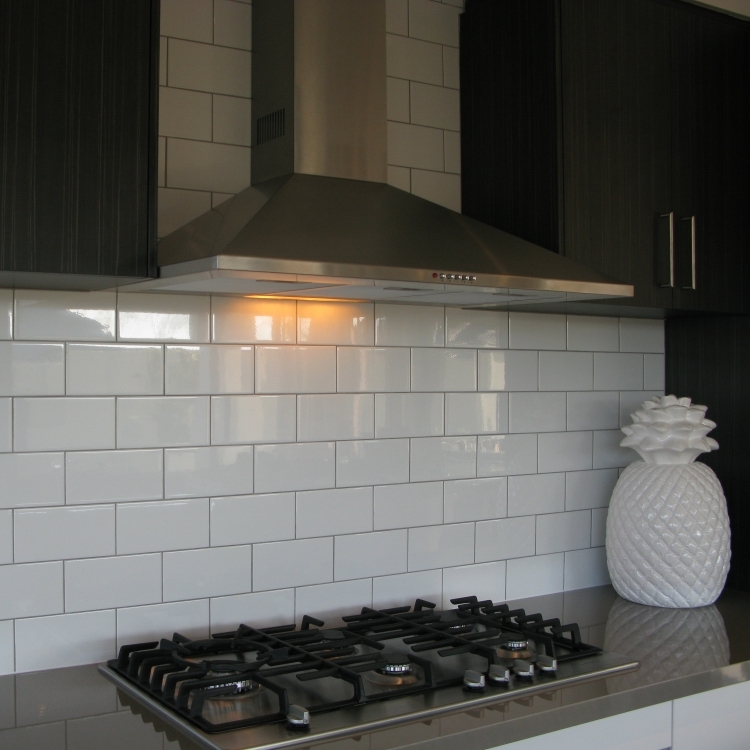
Subway tiles are hands down the most popular choice for kitchen splashbacks. For a timeless classic look, you can’t go past the white subway tile stacked horizontally to give your décor versatility. Try going for a black grout for an edgy look or choose a black subway tile for understated elegance. If you want to make your splashback a feature, opt for a coloured Subway tile.
Black and white geometric designs for splashbacks are very eye catching and are great if you’re going for a contemporary minimalistic style. While a colourful geometric patterned splashback will add vibrancy to your kitchen.
Mosaic tiles come in so many different shapes and vibrant colours. A mosaic tile splashback can really bring your kitchen to life. Kitkat mosaics – otherwise known as finger tiles are one of the most popular mosaic tiles right now that can suit a range of styles.
Glass tiles and mirrored glass tiles give off an amazing luminous effect and have the ability to bounce light around the room. They’re naturally non-porous, stain-resistant and a great alternative to conventional glass splashbacks.
Metal look tiles create a dramatic looking splashback. Great to make that kitchen style lean towards the industrial or minimalist style design. For example rusty metal look tiles can really make your kitchen pop when complimented with copper, brass or black matt tapware and accessories.
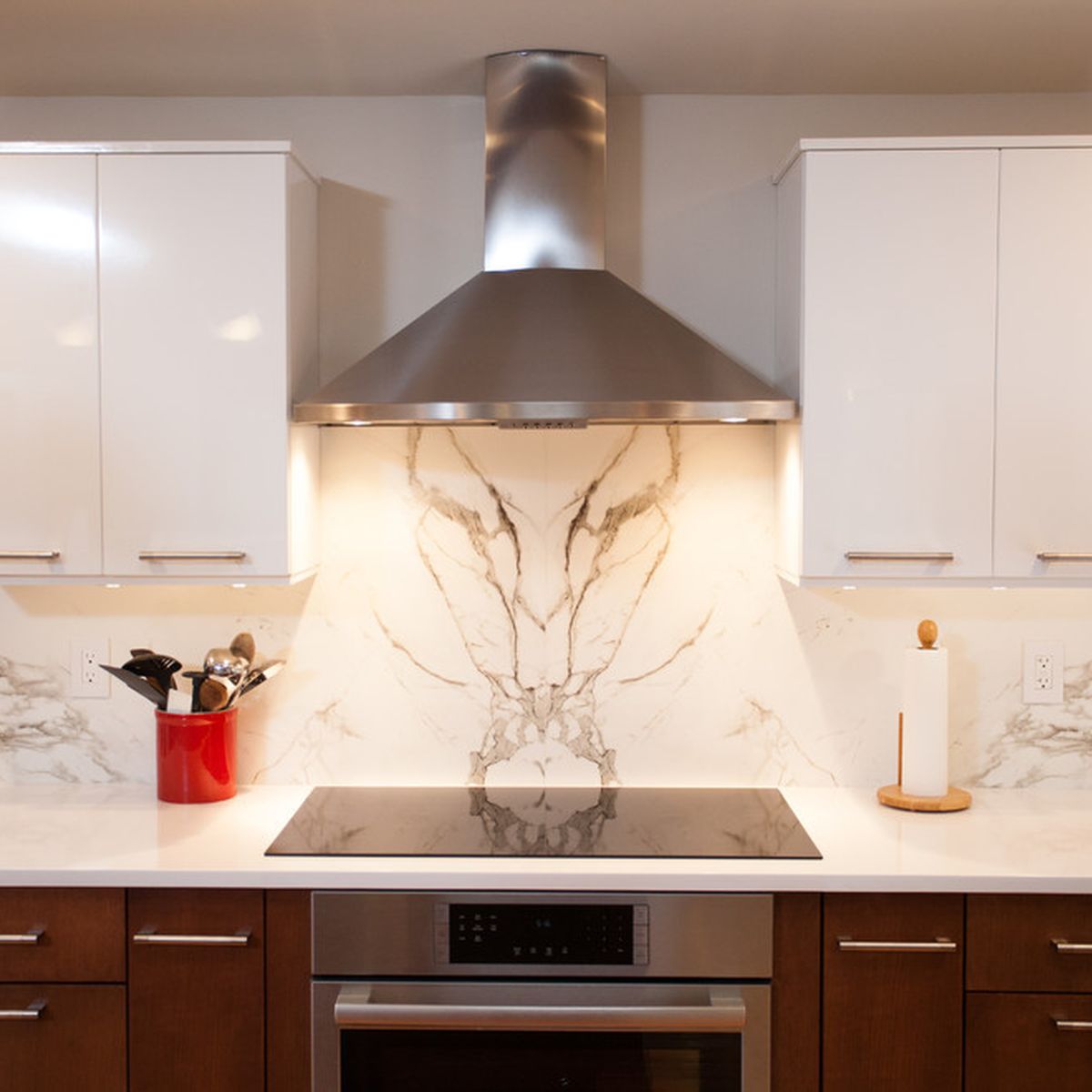
Nothing exudes luxury and opulence more than marble, and you can recreate this modern interior design trend for less on your kitchen splashback with marble look tiles.
There are many other tile materials you can use for kitchen splashback tiles, including travertine, natural stone and cement. If you choose a porous material, such as cement or marble, make sure the tiles are sealed to protect them.
Done properly, your splashback can make quite the statement in your kitchen. Retrofitting a kitchen splashback though isn’t much fun, so make sure you choose something that won’t date too quickly. It can be costly and difficult to change, so it pays to do a little research before you dive right in.
No matter what style you’re after, you can choose from a wide range of kitchen splashback tiles at Ceramic Tile Supplies. Browse online for inspiration, or discover the full range of kitchen tiles in Perth at our Wangara and Myaree showrooms.
Finding the right flooring for your home – especially the kitchen, is one of the most critical design choices you’ll need to make when building or renovating.
Flooring can influence how your space looks and functions, and it impacts the overall flow of your home. Many Perth flooring experts and interior designers will tell you it’s best to start from the bottom, then work your way up when fitting out your house.
Tile floors are a natural choice for kitchens over carpet or timber. They’re hard and durable, water-resistant and virtually stain proof. Kitchen floor tiles can withstand heavy foot traffic and everyday wear and tear, and with so many options on offer, you’re sure to find a tile to match your interior style.
So, what are some of the key things to consider when selecting a kitchen floor tile to ensure it will do its job for years to come? Let’s take a look at some expert tips from our Perth tiles team.
The 3 main types of tiles are porcelain, ceramic and stone. Ceramic and porcelain tiles are similar, which is often where the confusion lies for many Perth homeowners.
Both are made from clay mixtures fired at high temperatures to produce a hard and durable tile, but ceramic tiles tend to be softer than porcelain. People make the mistake of choosing ceramic tiles for kitchen floors because they’re cost effective, but the ugly truth is they aren’t hard enough to withstand the heavy use your family dishes out.
Porcelain floor tiles on the other hand are a mixture of clay and sand. They’re made using heat and pressure to produce a tile that’s harder, denser and less porous than your regular ceramic tile, making it a perfect choice for kitchen floor tiles.
Whether you choose a porcelain, stone or ceramic kitchen floor tile, here’s what you need to think about:
Is your tile choice going to be tough enough to withstand everyday wear and tear? Check with your tile supplier that the tile has a high resistant glazing and will not wear off over time or easily chip.
Slip resistant tiles naturally make a floor less slippery, but they can be harder to clean and are usually reserved for commercial kitchens. Consider matt or lappato (semi gloss) tiles that you like the feel of or add mats in key areas such as the front of the sink.
Many Perth homeowners choose tile kitchen flooring because it’s easy to clean. As the space where you prepare and cook your meals cleanliness should always be top of mind. Ask us about which tiles are easy to clean and won’t stain or crack immediately upon impact.
It pays to plan ahead with your cabinetry selections to ensure your tile choice blends in seamlessly with the design of your kitchen. The cabinet finish can help determine your kitchen floor tile choice as together they create the right feel for your kitchen. You can play with cabinet samples in our Wangara or Myaree showroom when you are looking at the tiles to ease your selection process.
The right tile choice will enhance your kitchen floor and look great for years to come.
Need a hand with selecting the right tile for your kitchen floor? We have a wide range of kitchen floor tiles to suit your home. Explore our full range of tiles, visit one of our Perth showrooms, or get in touch for expert advice on your kitchen floor tiles.
A key component to any kitchen design or renovation is your splashback. Functionally, it’s there to protect your walls from spills and splatters, visually it’s something you can have fun with.
Although just a small part of your kitchen, your splashback is where you can inject a lot of personality and make it the focal point of your kitchen. This is especially true in situations where the other elements of your kitchen have a neutral feel.
Tiles are an obvious choice for splashbacks as they are hygienic, durable, non porous, heat resistant and easy to clean. So, how do you go about selecting a tile that complements your kitchen design and adds character?
A few things to consider when choosing your splashback tile includes the colour, shape, size and grout. Usually it’s a good idea to pick your benchtop first (as your options are more limited), and then incorporate your splashback design around this.
When looking at tiles, the most durable and low maintenance option would have to be ceramic or porcelain tiles. Porcelain tiles are the tougher of the two, but will generally attract a higher price tag. Luckily, because splashbacks cover only a small surface area, it may be one of those areas you can afford to splash out on (no pun intended!).
Let’s explore what you need to consider in more detail.
Your choice of tile colour can either blend subtly into your kitchen design, or you can be a bit more creative with pops of colour that draws attention. So firstly, you need to decide whether you want the splashback to be the standout feature in your room. Whatever you choose, it should work with your overall bench top and cabinetry colour scheme.
As a general rule, use dark tiles where there are no internal corners or assisting elements like cabinet lights or ample brightness to the room by other forms of light prevents dark corners from forming. Lighter shades will help brighten up the room and create a more open airy feel.
If you opt for a colour similar to your benchtops and cabinets, consider a tile with more texture to add contrast. But choose wisely, as a heavy textured tile can prove harder to wipe down and clean.
Another way to create impact – if not through your colour choice, is the shape of the tile. Some popular options include incorporating a grid like pattern, geometric, subway style, penny round, chevron, diamond tile and mosaic style patterns.
The size of your splashback area will affect your tile choice. For a clean look, choose large format tiles. This will also cut down on your grout lines but not be the cost effective option. If your splashback area is medium to small, the varying subway tiles make an excellent option as the scale into this size very well. If you are happy with a little more grout mosaics are a great option and come in many fun colours and shapes.
In general, the smaller the tile, the more grout lines you’ll have. If you want to avoid cleaning too much grout, choose a large format tile which will result in fewer grout lines. You can also use a grout additive (booster) or grout sealant in your small tiles to ease the cleaning woes.
Consider using a fine sand Epoxy grout. It’s a little more expensive than cement grout and harder to apply, but it’s a great choice for kitchens because it resists stains, is easy to wipe clean and more consistent in colour.
Aside from your tile colour, there are a number of grout colour options too. A couple of things to take note of:
Lastly, it’s also important to take into consideration the type of cooktop you have or will install. There are different clearance requirements from the centre of the burner to the splashback. Most tiles are glazed at a high temperature making them withstand heat variations from a cooktop however if you are looking at other materials such as natural stone, resin or hand glazed tiles they may require further considerations.
Get inspiration from Perth’s kitchen tile specialists! Take a look at our photo gallery for ideas or browse our kitchen splashback tile collection on display at our Myaree or Wangara showrooms.
Versatile. Durable. Affordable. Aesthetically pleasing. What’s not to love about subway tiles?
By tradition, these rectangular tiles are usually twice as long as they are tall. But despite their simple structure, subway tiles lend themselves to many different design possibilities.
It’s the one tile that never grows out of style, so if you’re looking for a failsafe solution to your bathroom or kitchen, here are 7 ways you can incorporate subway style tiles.
Since its early 1900s debut in New York subway stations, the timeless subway tile continues to be a popular tile choice in kitchens and bathrooms. The classic look takes its cue from conventional brickwork using a white repeating bond pattern – often referred to as running bond or offset brick. This white tile, white grout layout creates a seamless effect and is the most common subway tile pattern you’ll come across.
Different lays can add interest to a classic white subway tile. Large subway tiles stacked horizontally bring out a clean and contemporary look to your bathroom or kitchen design. Or, flip them over and install them vertically to evoke height and create an illusion of taller walls and higher ceilings.
Named for its similarity to fish scales, this arrangement of rectangles in an L-shaped pattern creates a sense of movement and visual interest by drawing the eye up. In this layout, tiles are arranged so that the end of one vertical tile meets the side of a horizontal tile at a 90 degree angle. It works well for taller spaces like a shower.
If you want to take your herringbone design to the next level, bevelled edged subway tiles will add even more dimension to your space. Many interior designers love this modern look to the classic flat subway tile.
Another impressive herringbone design is to rotate your subway tiles at 45 degrees. This pattern looks great on floors or walls. It works well for smaller spaces because it keeps your eyes moving around the room making it appear larger than it is. If you want to draw attention to a specific area, then herringbone is the way to go.
Interchanging pairs of horizontally and vertically laid subway tiles creates a grid-like pattern that resembles – you guessed it a woven basket. For the real wow factor, go for a contrasting tile and grout. This will give your weave design a more distinct effect. If you want to be original, a double basket weave pattern will produce an even more modern look.
Who said your grout has to be white? One of the easiest ways to modernise your space is to apply a different coloured grout (and it makes for easier cleaning too). Popular choices include black and dark or light grey. Dark grout will make white subway tiles pop out, as will the opposite of black tiles and white grout. If you want to create a more edgy and industrial feel, than a contrasting grout is what you should be aiming for.
The original subway tiles were always white, but nowadays subway tiles come in a wide variety of colours, sizes and textures. Make the look of your space your own by experimenting with different shades and surfaces to achieve a trendy yet timeless design. One way you can do this is with colour blocking, which is a great way to break up white tiles.
We’ve all heard how mirrors can help elongate a space and make it look bigger, and you can also achieve the same effect with mirrored subway tiles.
Perth’s tile specialists
Be inspired by Ceramic Tile Supplies’ wide range of premium subway style tiles. Browse our selection of classic and modern designs, or visit our Myaree or Wangara showrooms to view the full range on display.