AIzaSyCx0PM-3N_RmbMTt2SRm-GX9AD-tAsfpC8 Skip to main content
All Posts By

admin

5 tile trends to look out for 1

5 tile trends to look out for

By General, Architects & Builders, Trends

Planning a home renovation? If you’re refreshing your bathroom, kitchen, or interior flooring, staying updated with the latest tile trends can help you design a space that feels modern, stylish, and timeless. Today’s innovations in design and manufacturing allow homeowners to create luxurious finishes without the high maintenance or cost of natural materials.

As design styles continue to evolve, we’re seeing a strong rise in wood-look tiles, marble-inspired finishes, natural stone textures, and creative patterns. Whether you’re updating a single room or planning a full home makeover, keeping an eye on the latest tile trends ensures your project feels fresh and well-designed.

5 tile trends to look out for 2

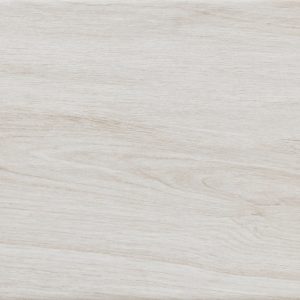
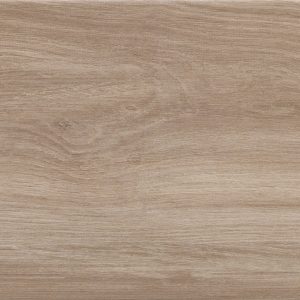
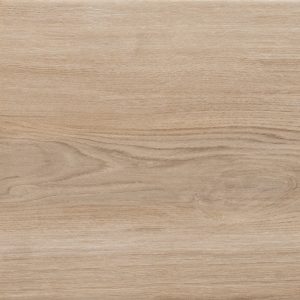
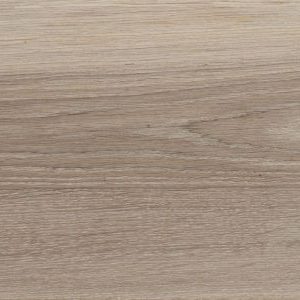
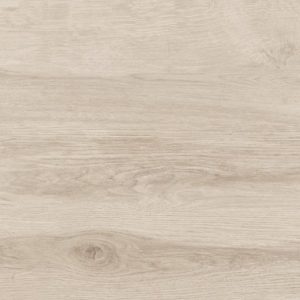
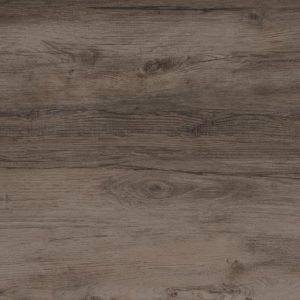
Timber look tiles

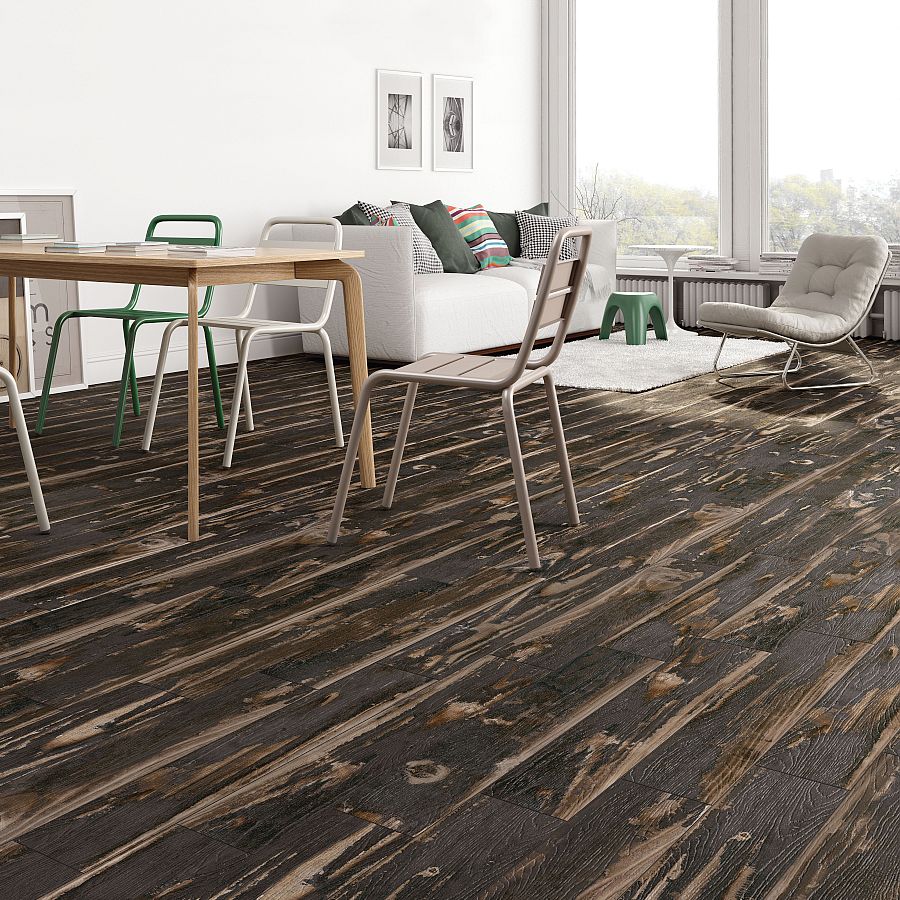
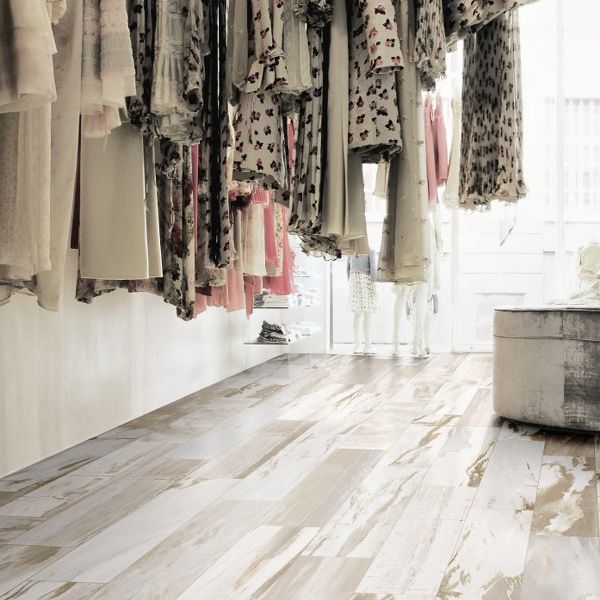
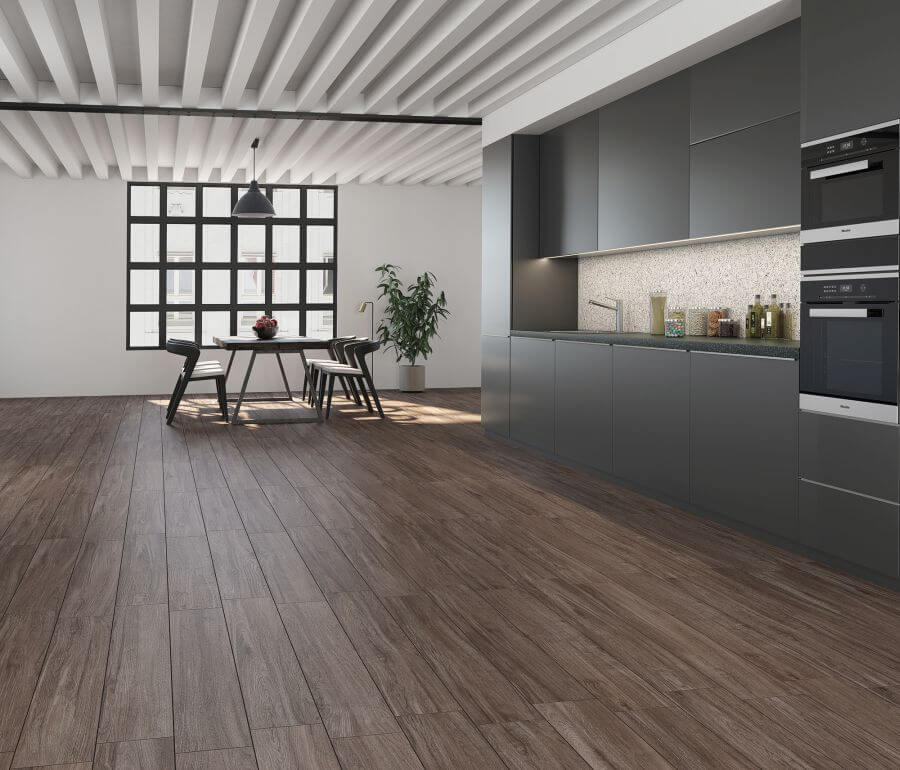
A more affordable, durable, and maintenance-free alternative to traditional hardwood, timber look tiles continue to gain popularity. Their ability to add warmth and character makes them ideal for nearly any interior space. Designers often use timber look tiles to highlight functional areas or create subtle accents that elevate a room’s visual appeal.

With excellent waterproofing and slip-resistant options available, these tiles have become especially popular in bathroom designs—an area where wood was previously impractical. This is one of the tile trends that blends beauty with functionality beautifully.

Surface textures like wire-brushed, hand-scraped, white-washed, and distressed finishes are becoming more common as homeowners look for a more authentic timber appearance. These variations also tie in well with emerging Bathroom tile trends, especially for spa-inspired bathroom layouts.

Natural stone look tiles

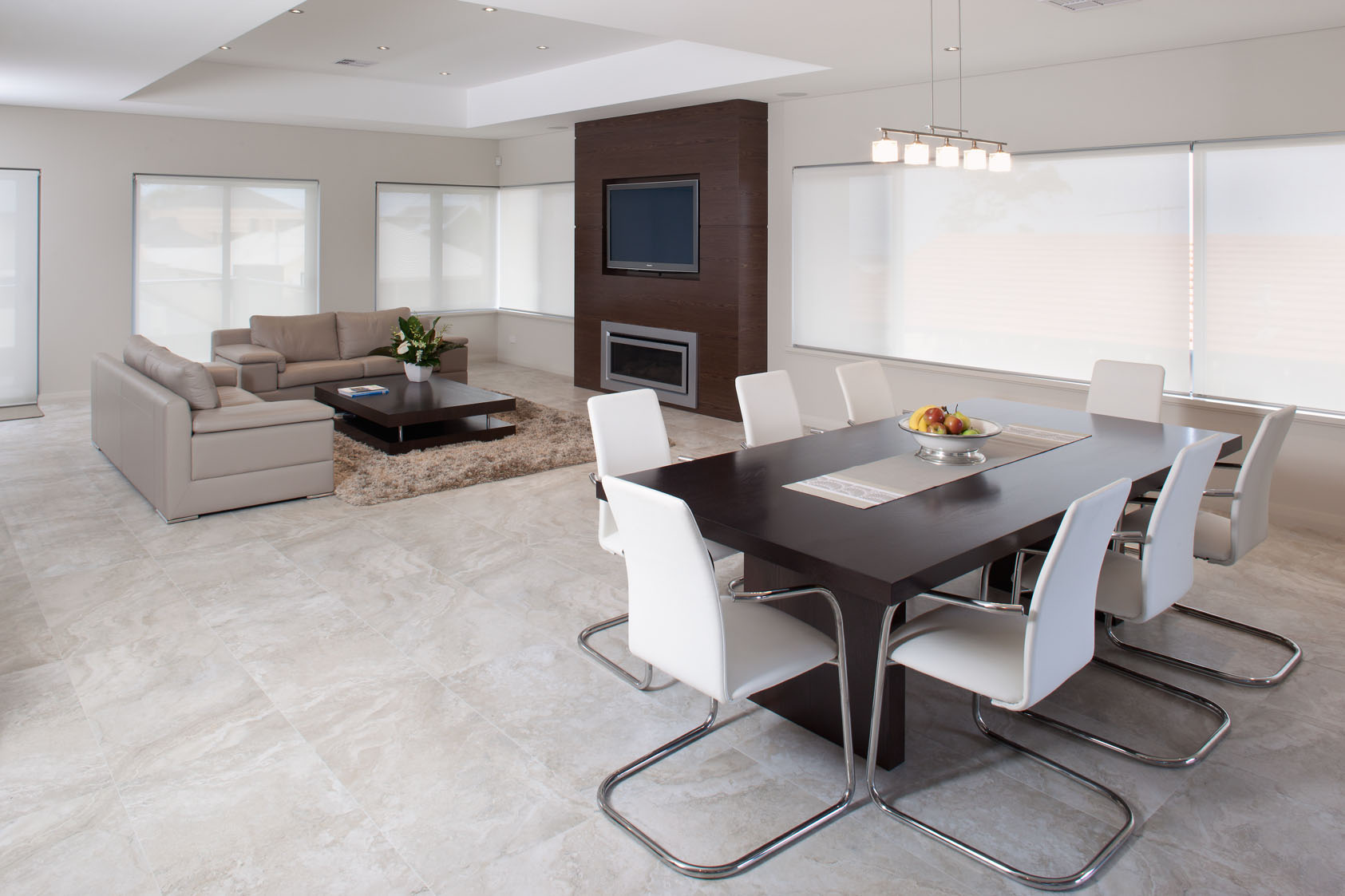
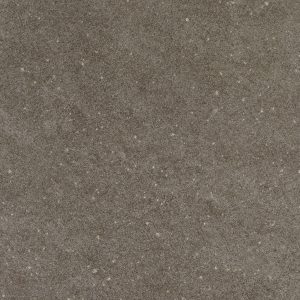
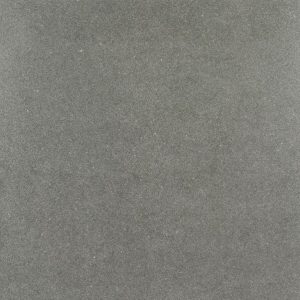
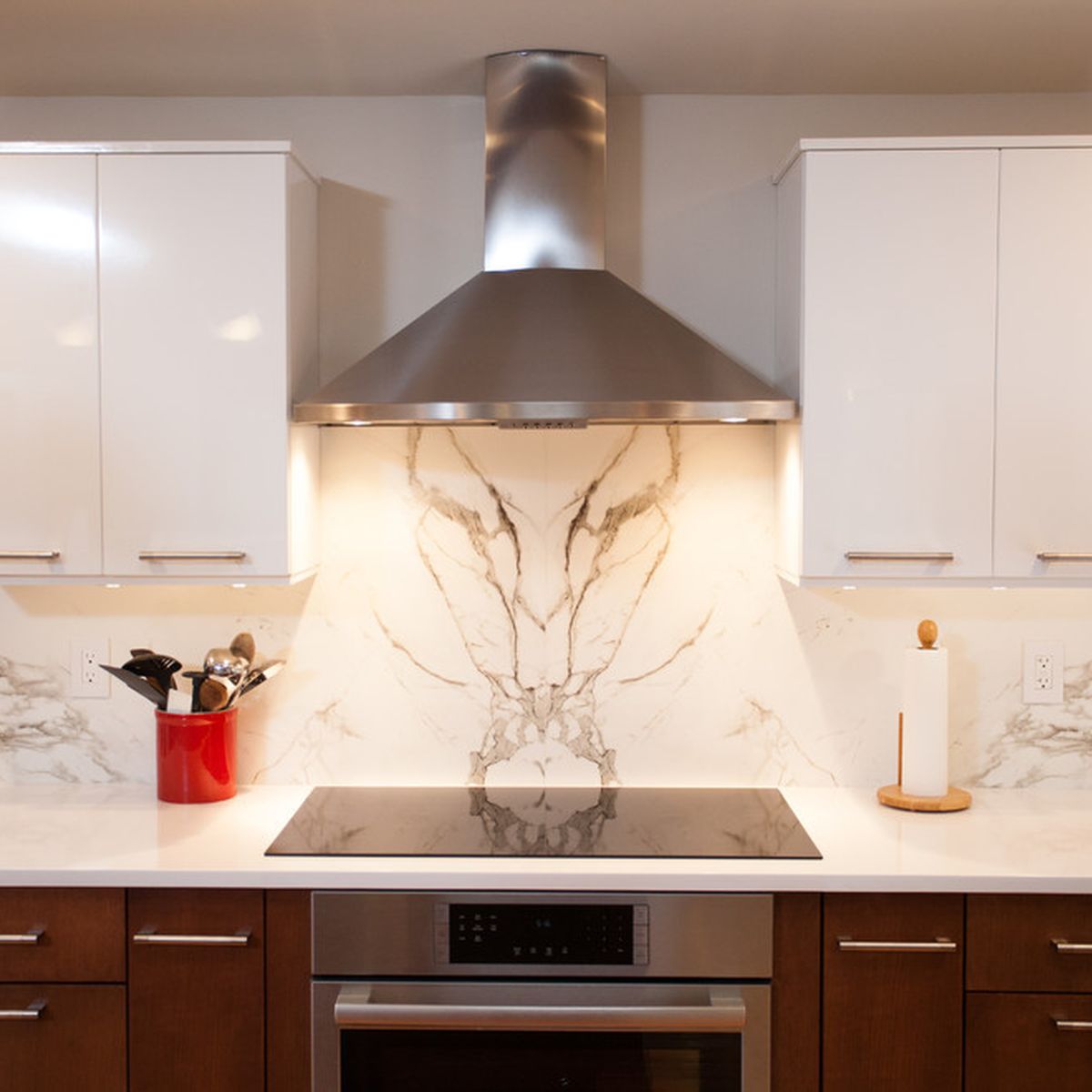
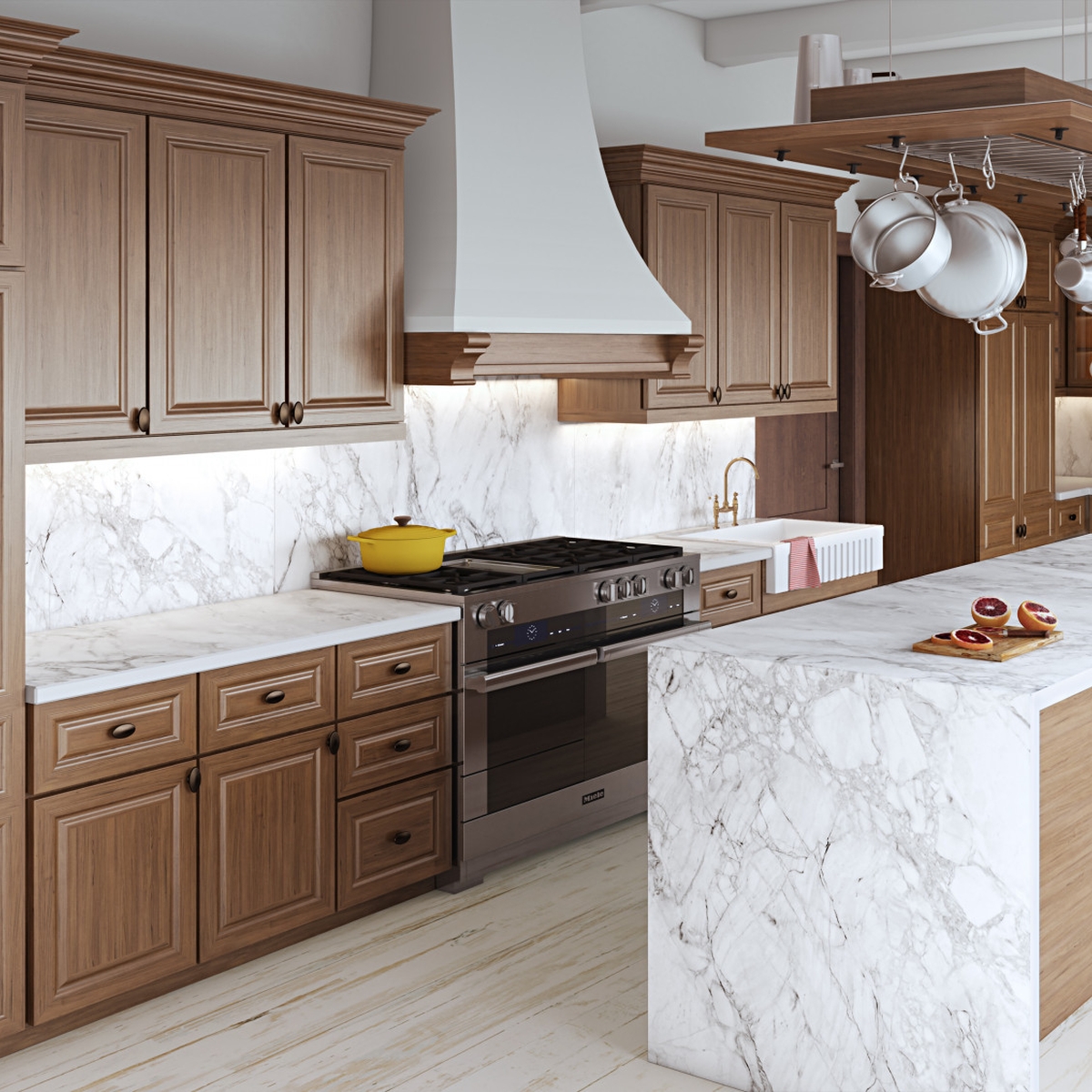
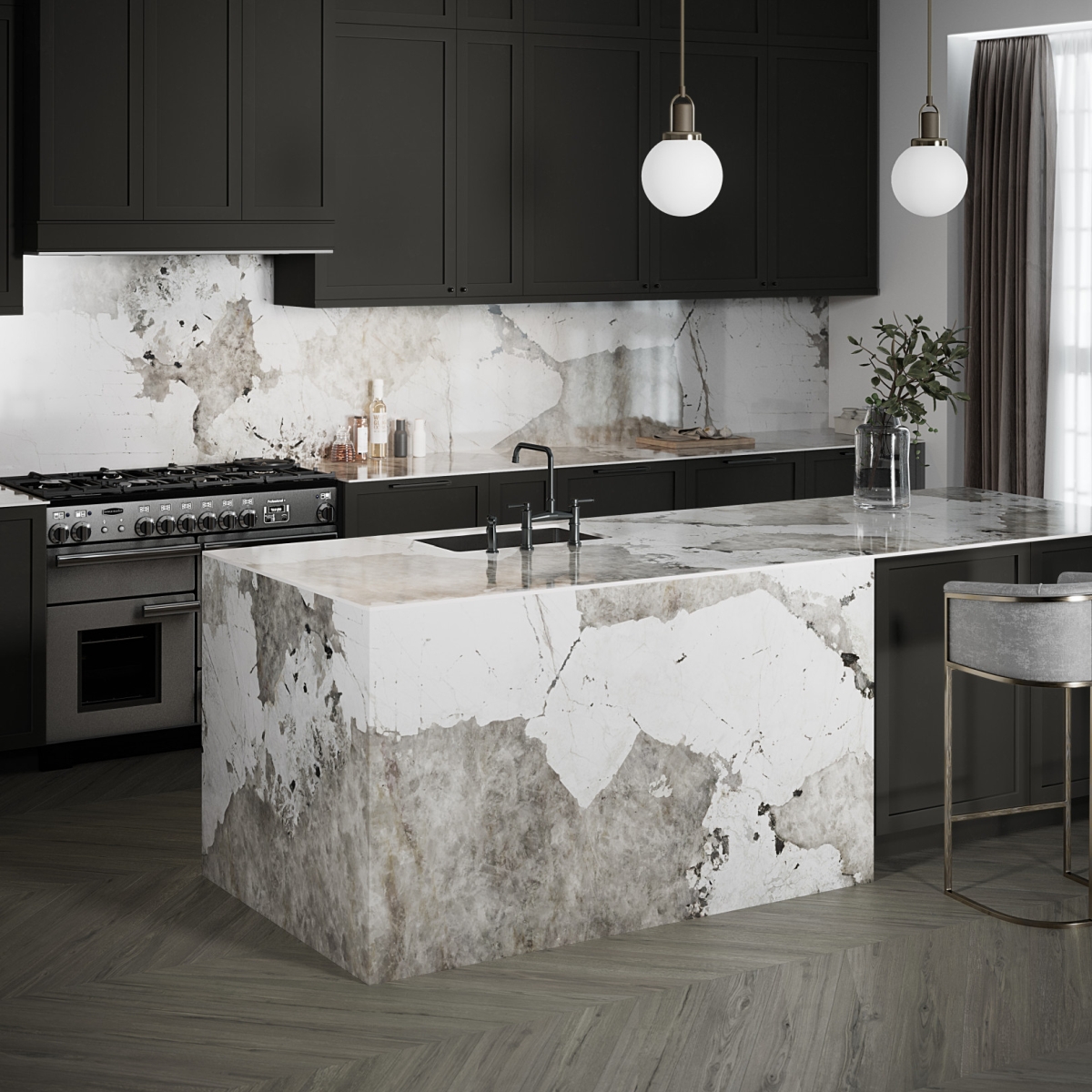
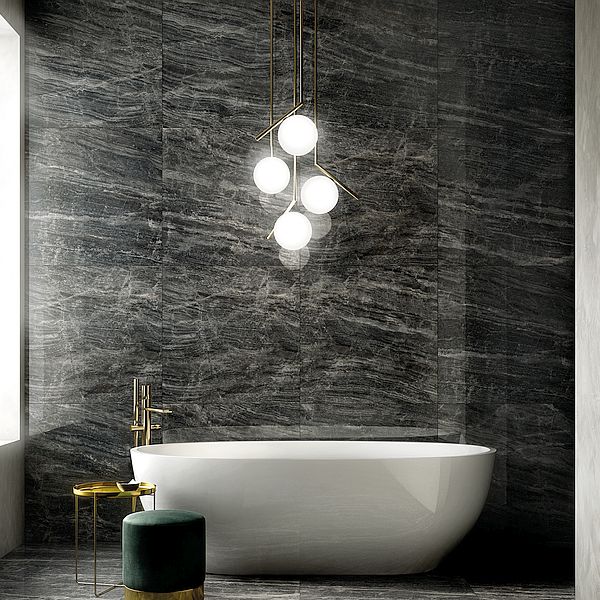
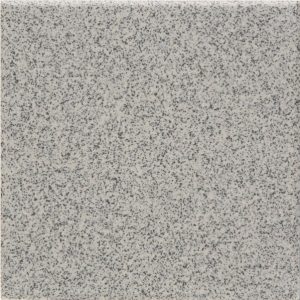
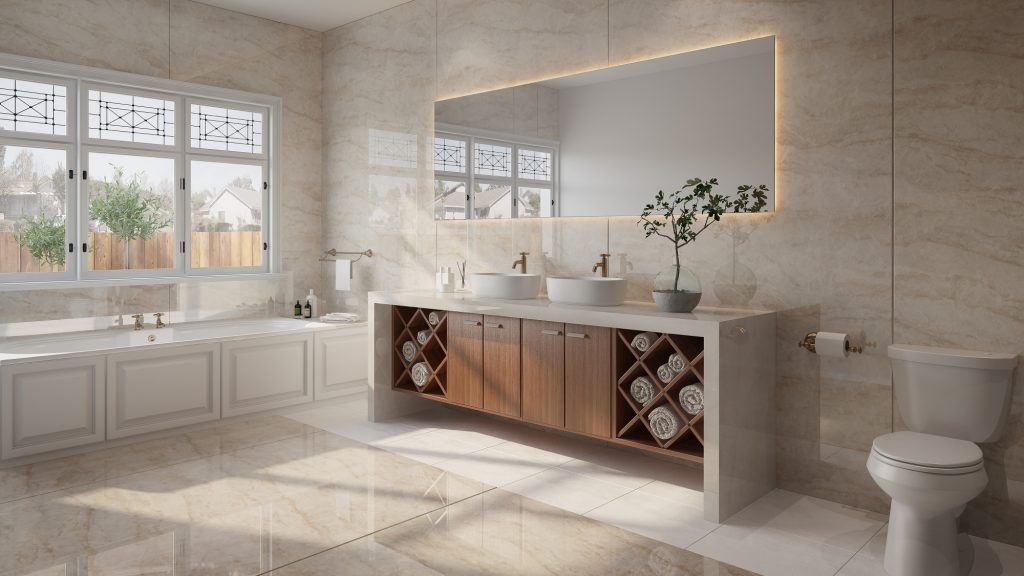
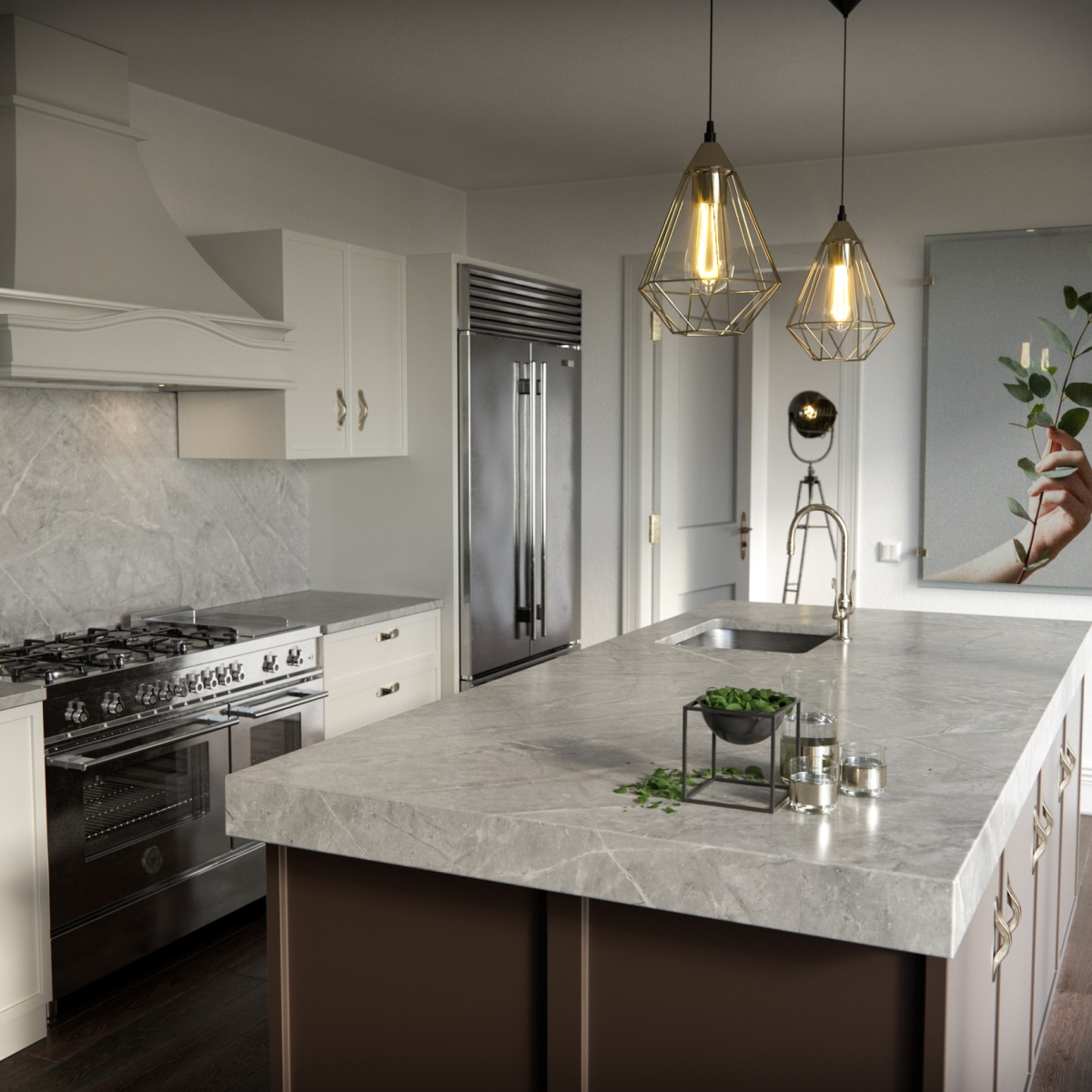
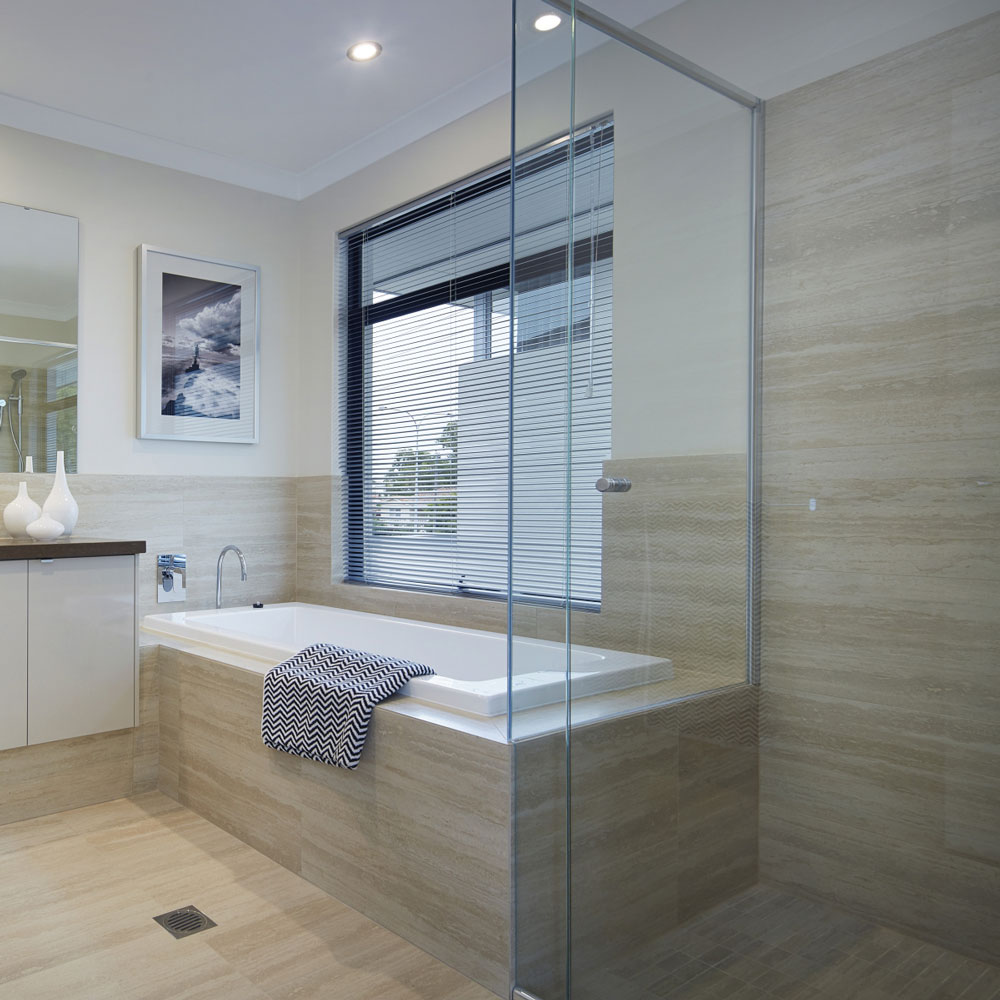
Natural stone look tiles remain a top contender for kitchens, bathrooms, and outdoor spaces. Thanks to advancements in manufacturing, these tiles convincingly replicate the appearance of marble, limestone, slate, and travertine. The result is a premium look without the price tag or maintenance associated with real stone.

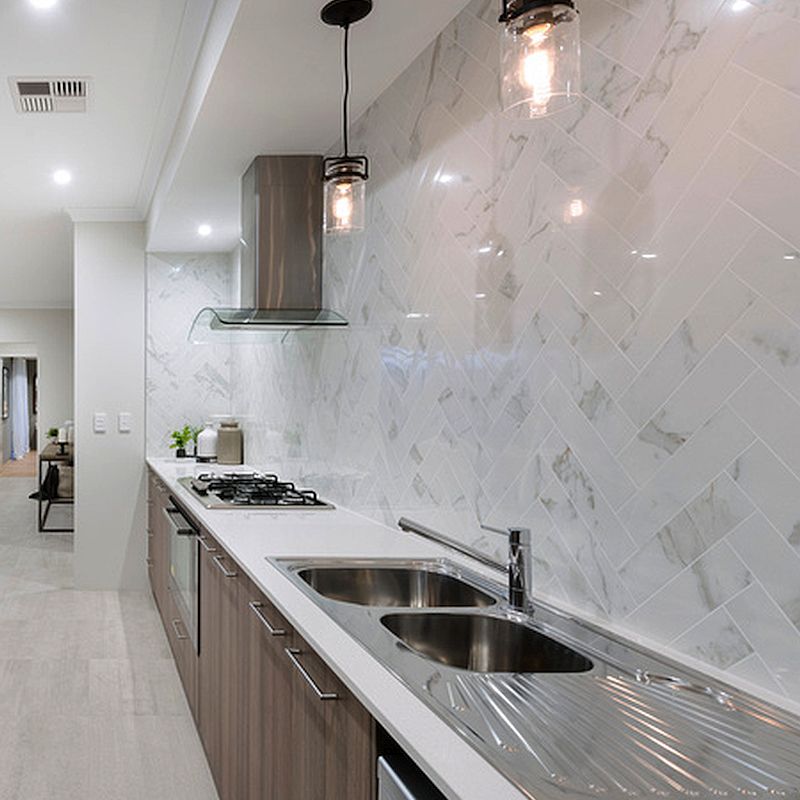
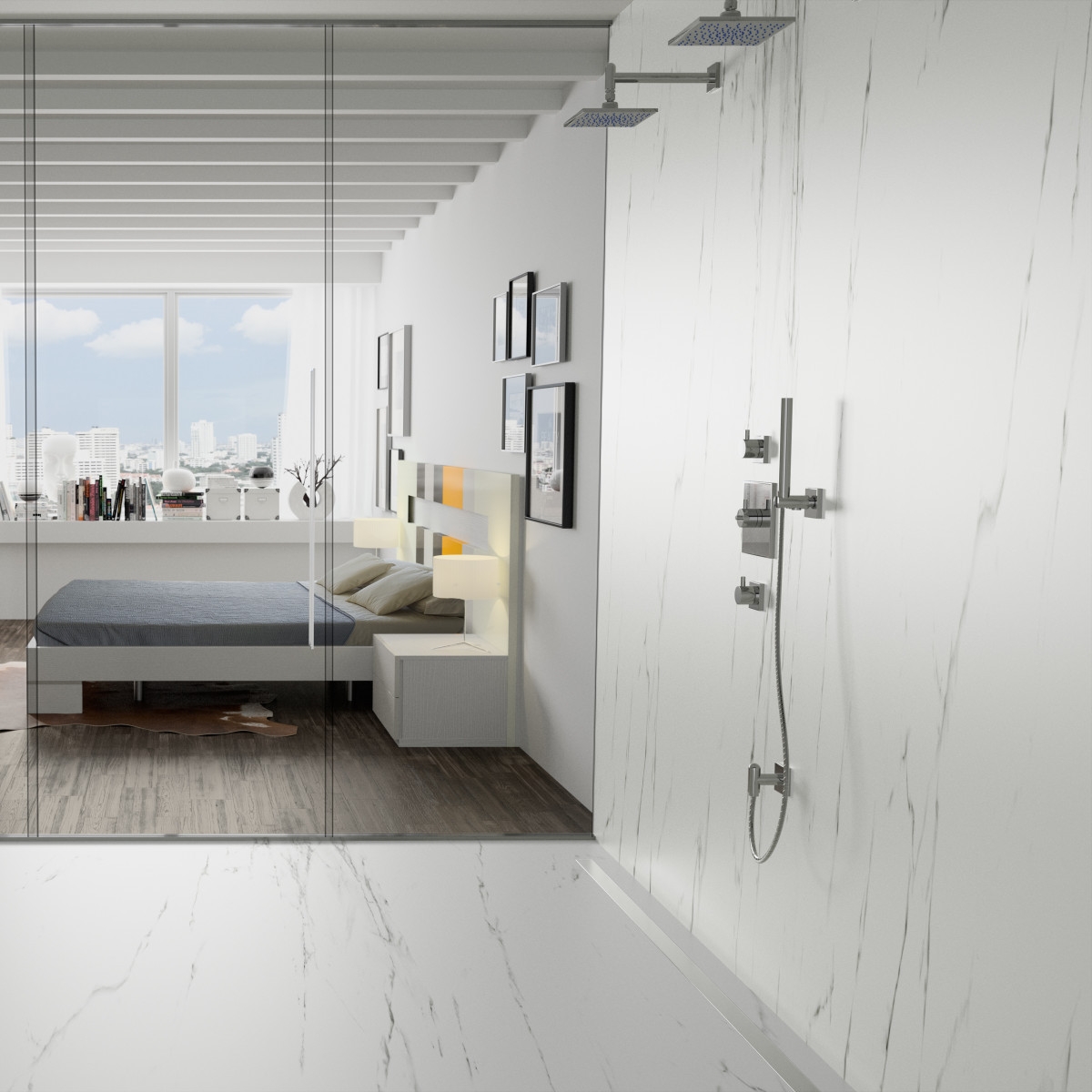
Among today’s most enduring tile trends, marble-inspired tiles stand out. Their luxurious aesthetic and versatility make them a favorite for flooring, feature walls, vanities, and shower areas. They are less porous, highly durable, and more affordable, making it easier for homeowners to achieve a high-end feel.

The muted natural hues of stone look tiles also complement evolving Flooring trends, which lean toward organic, calming palettes suitable for modern minimalist and contemporary interiors.

Square tiles as a feature

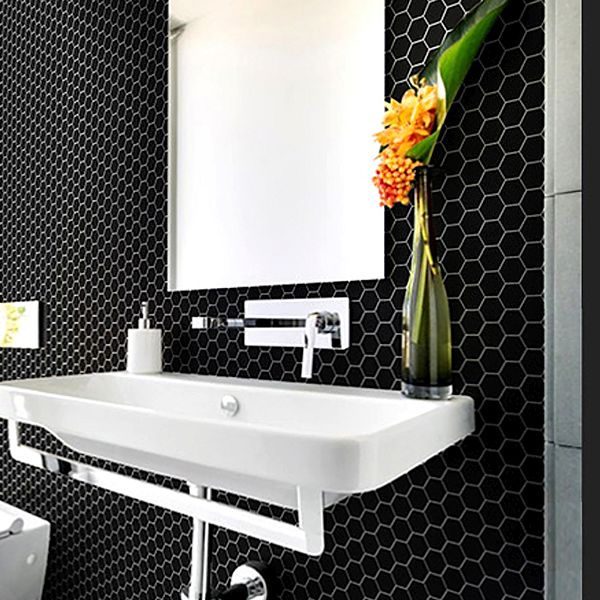
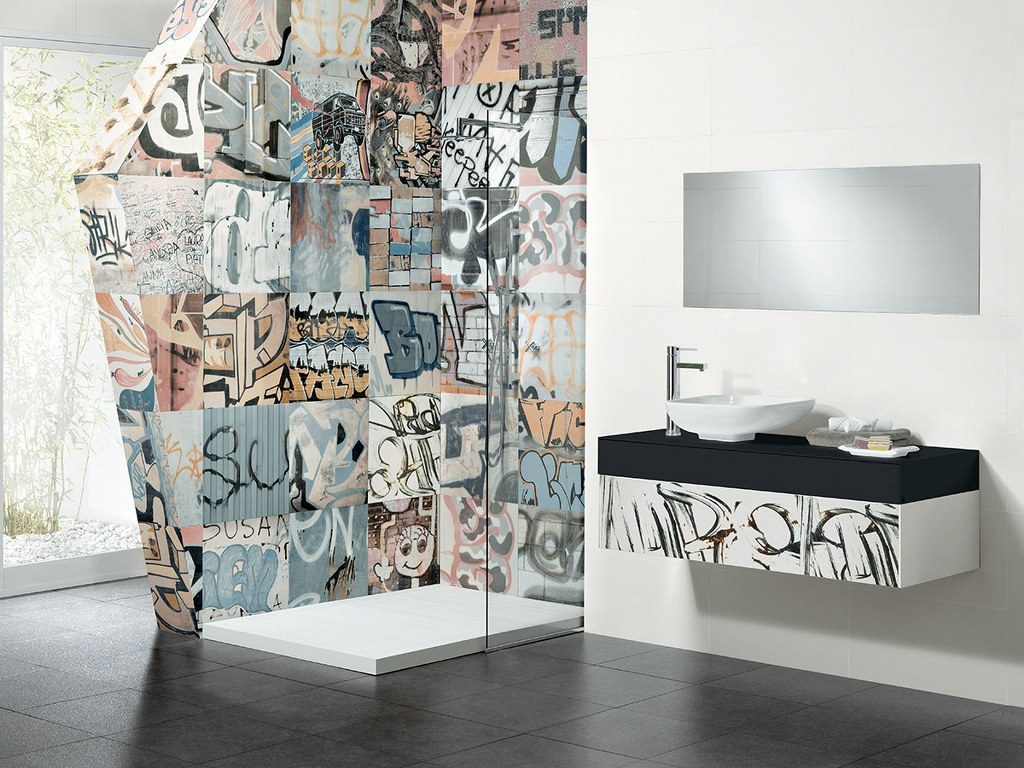
Square tiles are making a strong comeback, emerging as the modern counterpart to traditional subway tiles. They are perfect for splashbacks, feature walls, small floors, or compact statements that add personality to a room. In today’s interior tile design, smaller square mosaics are frequently seen as bathroom feature walls, while larger traditional 200x200mm non-rectified tiles with repeating patterns are used to add charm to smaller spaces.

Square tiles also offer flexibility in layout. You can install them brick-bond, at a 45-degree angle, or in a checkerboard pattern each creating a distinct look. A handmade-style square tile can deliver a farmhouse or Hamptons feel, while bold block-colour mosaics create a mid-century or post-modern aesthetic. The versatility of these shapes allows them to blend seamlessly into any tiles design.

Floral patterns are a hit

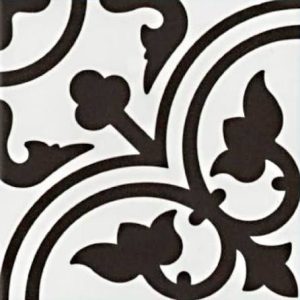
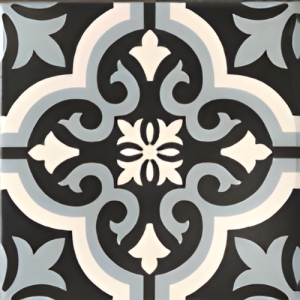
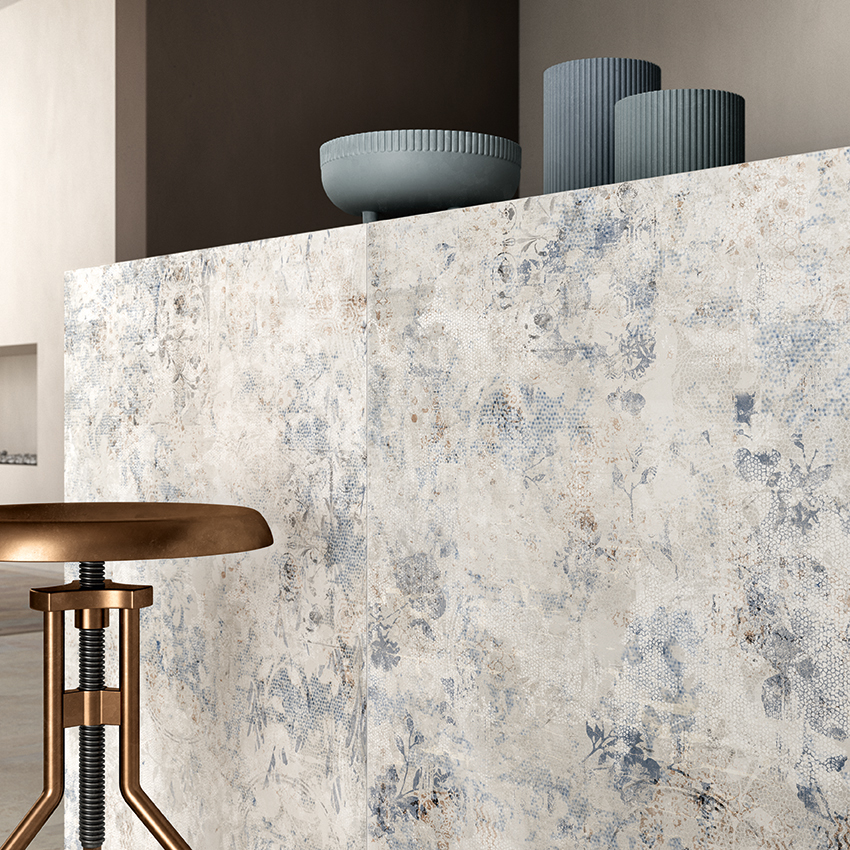
Floral-inspired tiles are rising in popularity and no, we’re not talking about vintage “grandma’s wallpaper.” Today’s designs embrace bold botanical prints, tropical elements, and blossoming patterns that bring energy and originality to a space. This growing interest aligns perfectly with evolving home design trends, especially in bathrooms where a striking feature wall can transform the entire room.

These tiles work best when used in moderation—ideal for accenting a specific section rather than covering the entire space. Botanical print tiles are particularly effective in bathrooms without windows, adding visual depth where natural lighting is limited. When integrated thoughtfully into your tiles design, floral patterns bring creativity and vibrancy to even the simplest layout.

5 tile trends to look out for 3
5 tile trends to look out for 4

Metallic imitation

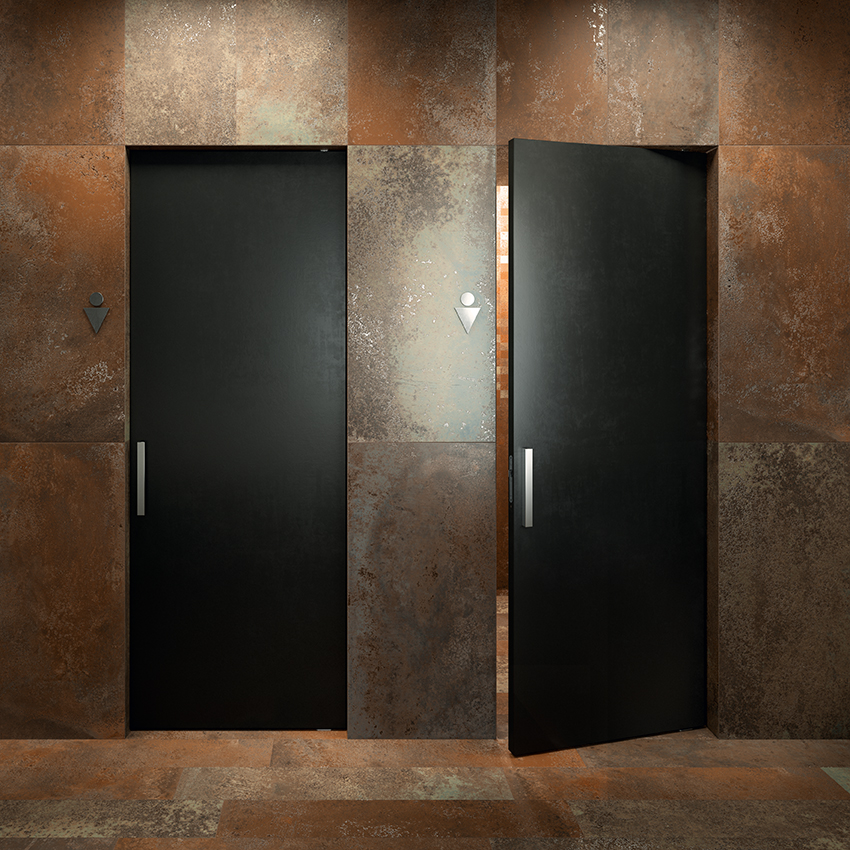
Another tile trend that’s emerging is the metal look tile. This style isn’t for everyone it’s geared more towards achieving a high-tech, industrial, minimalistic urban feel, or depending on the choice of tile, a vintage retro interior.

Metallic look tiles come in all sorts of shades and effects including a rust effect, oxidized copper, platinum, white gold, steel, aluminium and silver. The use of such cladding creates a very unique design for walls and floors, even work surfaces and countertops. When decorating a room with this style of tile, it’s important to think about how the metallic look will blend with your décor, to ensure the interiors complement each other. Metal-inspired surfaces also continue to influence modern tile trends in contemporary design.

When selecting new tiles for your home, by all means consider the trends to achieve a well-designed room, but stick with your personal preference so that you don’t get bored of the look too quickly, and can enjoy your space for years to come.

View the entire Ceramic Tile Supplies range in our Myaree and Wangara showrooms or online at www.ctsupplies.com.au

View our range of tiles

What are thin format porcelain tiles? 5

What are thin format porcelain tiles?

By Porcelain Tiles, DIY, Tile Selection

A few years ago, a new tile design started emerging in tile showrooms – thin format porcelain tiles. Today they are trending and more popular than ever.

So, what are thin porcelain tiles and why are they such a great choice for your home or business? Let’s learn a little bit more about them.

What are thin format porcelain tiles? 6
What is a thin porcelain tile (TPT)?

Thin format porcelain tiles or sheets are characterised by their minimal thickness of anywhere between 3mm to 8 mm and often range from 750mm to 1000mm wide and up to 3 meters in length.

Previously, tiles needed to be 10mm to 12mm thick to even be considered for floor tiling, but not anymore.

How are thin format porcelain tiles produced?

Thin porcelain sheets are made out of natural materials such as clays, feldspar, silica and minerals. The tiles are manufactured by placing the natural raw materials and minerals in a kiln exposed to high pressure and temperatures reaching 1,500°C. 

The process itself is called sintering and involves compacting and forming a solid mass of material by heat or pressure, without melting it to the point of liquefaction.

Compaction occurs using two stiff motor-driven belts. The materials are deposited on the lower belt and carried inside the machine, where the combined action of the two belts and compaction rollers allows the material to form. 

What makes this process so effective is that different raw materials and colours can be combined to achieve various looks.

Where are thin porcelain tiles best suited?

Thin porcelain tiles (TPT) can be installed for both indoor and outdoor applications. Because the tiles are so thin, they are easy to cut and shape to fit your intended design.

It’s always best to ask a tile expert to determine the ideal thickness for your application, but in general we often see thin format porcelain tiles used in the home for:

  • Kitchen countertops and backsplashes
  • Bathroom walls and floors
  • Feature walls
  • Fireplaces
  • Exterior cladding
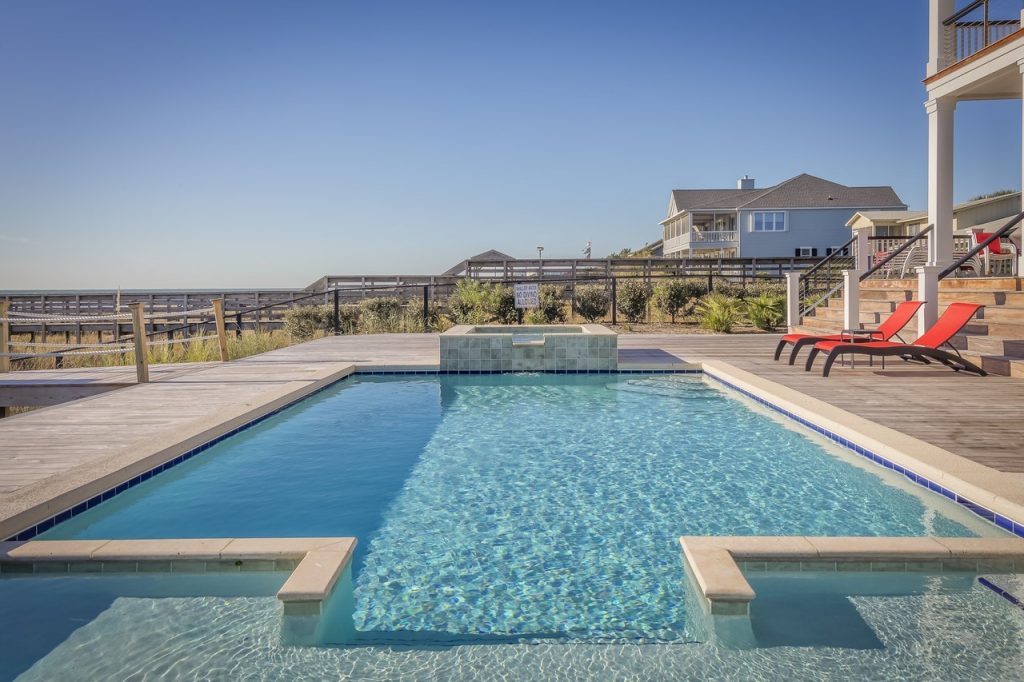
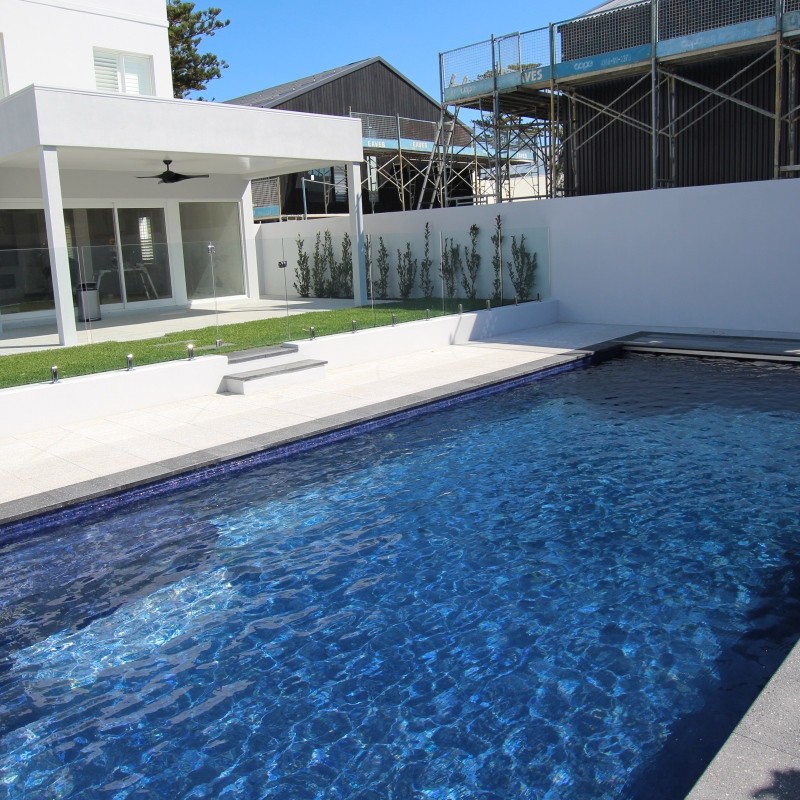
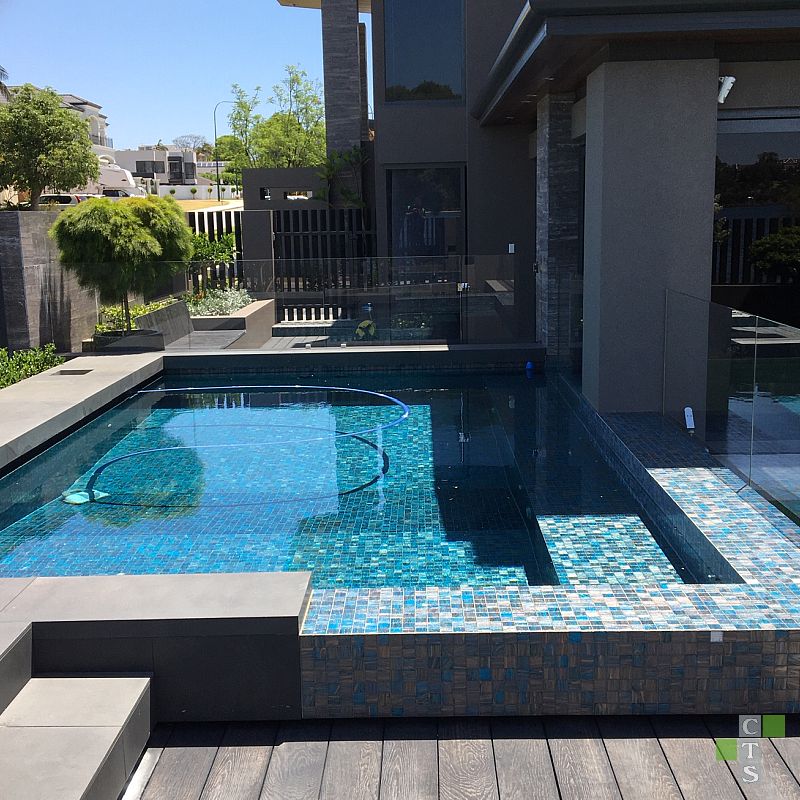
  • Swimming pools/ plunge pools

You can also use thin format tiles for commercial applications including:

  • Feature walls for lobbies and common areas
  • Bathroom walls and floors
  • Front desk design
  • Internals of elevators
  • Countertops
  • Exterior cladding
What are thin format porcelain tiles? 7
What are thin format porcelain tiles? 8
What are the benefits of using thin format porcelain tiles?

Thin porcelain tiles are becoming increasingly popular and there are a number of reasons why:

  • TPT are lightweight (they are generally half the thickness of standard porcelain tiles)
  • The reduced weight enables tiles to be produced in extra-large format such as 1.5 x 3 meters.
  • Low maintenance – they are extremely hardwearing and won’t deform, crack or fade when applied outdoors
  • Many different styles, colours and finishes to choose from 
  • TPT can be laid over existing floors and walls reducing time and cost of removal, and less waste is generated
  • The thin nature of the tile makes it easy to cut using conventional tiling tools suitable to cope with the size.
  • The manufacturing process has a significantly lower environmental impact than standard porcelain tile products

In addition, independent tests have shown that thin format porcelain tiles are nearly twice as strong as thicker, conventional tiles. 

Perth’s thin porcelain tile specialists

Be inspired by Ceramic Tile Supplies’ range of thin format porcelain tiles. Browse our collection, visit our Myaree and Wangara showrooms to view the full range of tiles on display or book a one-on-one consultation

Some of Our Thin Format Porcelain Tiles

Applying inkjet technology to tiles 9

Applying inkjet technology to tiles

By Architects & Builders, General

Today, tiles can be produced to mimic natural materials like wood, stone or cement, but have you ever wondered how they are made to look so authentic?

Just like high definition technology used on tv screens, digital inkjet technology has transformed ceramic and porcelain tiles to replicate the appearance of different materials, to a level unmatched by other printing techniques such as screen printing and roto colour processes.

This innovation has become a driving force for new tile manufacturing processes and product offerings. 

Applying inkjet technology to tiles 10
What are inkjet technology tiles?

Using advanced high definition technology, tiles can be digitally printed with high-resolution patterns and designs to imitate various textures like wood and concrete, and 3 dimensional materials like marble, granite and limestone. 

This process creates tiles that are varied and have minimal repetition. So, rather than being limited to a few different patterns, you can metres of an inkjet printed tile without seeing the same pattern twice. The image result is almost indistinguishable from the real thing.

How are inkjet technology tiles produced?

Digital printing delivers a much crisper result and superior detail than other conventional tile methods. The process is similar to how you would use a digital printer at home or in the office, but on a much larger scale.

Controlled by a computer, the printer heads dispense specialty ink onto the canvas (tile surface) to precisely duplicate any high resolution image such as natural stone or wood. The canvas is actually the body of the tile, prior to going into the kilns to be fired.

The machine automatically adjusts to create beautiful designs on smooth, rough and even highly textured surfaces that is applied edge-to-edge to fully cover each tile. 

Today, inkjet printers can utilise 8 or more colours, allowing for a greater range of shades and tones to be created on a tile. This innovation in tile production brings amazing detail, contrast and variations in design.

Applying inkjet technology to tiles 11
What kind of designs are possible with inkjet technology?

The design possibilities using inkjet technology are endless. Designers can combine images, overlay them and alter them to create hundreds of different visuals.

You can produce anything from concrete looking tiles, stone, marble, brick and even textiles. 

Using inkjet technology, you can replicate any type of hardwood to create timber look tiles. And the detail is exceptional as the printer can produce knots and graining patterns that look like the real thing. You can also choose from a variety of plank sizes and styles. 

Why should you choose inkjet technology tiles?

Ceramic and porcelain tiles are cost-effective, highly durable and require little maintenance. The same can be said for ceramic or porcelain tiles produced using inkjet technology. 

This makes them the perfect choice for literally anywhere inside or outside your home, in high traffic areas and wet areas like bathrooms and kitchens. The tile design options that arise from inkjet technology, means you can have a wood-look bathroom or kitchen without worrying about moisture damaging the floor or wall surface. 

Some of the other benefits in using inkjet tiles include:

  • Potential to imitate any image and surface to create the desired look you are after.
  • More affordable are harder than natural stones such as granite.
  • Inkjet technology improves tile production time and quality.
  • Layering of imagery gives the tile more depth and realism.
Perth’s inkjet technology tile specialists

Be inspired by Ceramic Tile Supplies’ superb range of inkjet technology tiles. Browse our collection, visit our Myaree and Wangara showrooms to view the full range of tiles on display or book a one-on-one consultation.

Applying inkjet technology to tiles 12

Some of Our Inkjet Tiles

How to choose the right grout for your tile project 13

How to choose the right grout for your tile project

By DIY, General, Tile Selection

Any ceramic tile project will use some form of grout to fill the gaps between the tiles and to hold it all together. Grout choice is just as important as your tile choice, so it pays to know which grout will work best for your tiles and deliver the best result. 

The two most common types of grout are cement grout and epoxy grout. Let’s compare the two to help you better understand your options when tiling your floors or walls.

How to choose the right grout for your tile project 14
What is cement based grout?

Cement based grout is the most common type of grout and the least expensive. It is made out of a mixture of cementitious powder, sand and water and comes in a sanded and un-sanded form.

Un-sanded grout tends to have a smooth texture. It is created from fine powders and is generally used to join tiles that have seams between 1-1.5mm wide. Sanded grout contains fairly large sand particles that can be seen, often with a gritty look and feel to it. The sand in this grout provides extra bonding that makes it harder to crack. Sanded grout is mostly used for seams 1.5mm or wider. 

When using cement grout you should seal it after application to prevent staining. Cement grout is not recommended for porous tiles like natural stone, because this type of surface combined with the grout is likely to stain. 

What are the pros and cons of cement based grout?

There are both advantages and disadvantages to choosing a cement based grout. Deciding whether to go for cement grout can come down to a few things such as:

Pros for choosing cement grout

  • Easy to install so it is great for a DIY job
  • Easy to clean – after installation, all you need is a wet cloth or, at worst, some light scrubbing to remove grout residue from your tiles.
  • It’s cheaper compared to epoxy grout
  • Wide choice of colours
  • Cement grout has a thicker consistency, so it can hold up well on any wall installation, even in the cases with wider gaps as it shrinks less and bonds well.
Cons for choosing cement grout

  • Needs to be sealed or a grout booster added to prevent staining, mildew and mould (refer to What is a great additive below)
  • Poor colour consistency – different factors such as the minerals in the water, how you mix the grout and humidity can affect the colour of the grout
  • Not waterproof – excessive exposure to water or moisture such as in bathrooms can cause damage to the grout, due to presence of porous features
  • Brittle – corners will crack and flake out over time or crumble if not installed properly
How to choose the right grout for your tile project 15
When should you use epoxy grout?

The stain and chemical resistant properties of epoxy grout make it suitable for high traffic areas such as schools, healthcare facilities, hospitality industry, commercial and industrial settings. \

They are also ideal for environments that experience excessive amounts of humidity or severe cold temperatures.

What is a grout additive?

A grout additive is a water based acrylic liquid added when mixing grout together to make the grout stronger, enhance the colour and make it flexible, which will eliminate cracks in your grout. Grout additive also reduces the porosity of the grout, making it easier to clean and minimising the growth of mould on the surface. We highly recommend adding a grout additive to cement based grout.

Be mindful when using grout additives in cement grout as it sets the grout off faster and there for is required to be cleaned as you go along. Do not leave it until after it has dried to clean off.

Why does grout crack?

Grout crack is common and happens mainly due to movement between two surfaces. You may not know this, but each material in your home is continually moving in tiny increments as a result of humidity, foundation settling, temperature and other factors. If grout in the kitchen or bathroom is a rigid material, it will crack. For example a tiled corner meeting another tiled corner can crack if there is movement in both of the walls due to the above mentioned factors. Or a join where a bathtub and tile meets has pressure applied to it where the bathtub is more flexible and the tile grout not so a crack will form between the two.

Choosing the right grout for your project makes all the difference to the final product. By talking to the professionals at Ceramic Tile Supplies, you’ll get the right advice on the products that will best fit your needs and budget.

Perth’s ceramic tile specialists

Be inspired by our extensive range of stunning bathroom tiles, kitchen tiles, floor and wall tiles. Browse our collection, visit our Myaree and Wangara showrooms to view the full range of tiles on display or book a one-on-one consultation.

Your bathroom tiling FAQs answered 16

Your bathroom tiling FAQs answered

By Bathroom Tiles, DIY, Tile Installation

Retiling your bathroom for the first time? Whether you’re taking it on as a DIY project, or you’re having a professional tiler handle it for you, there may be some things you’re scratching your head about. 

Tiling your bathroom is a little bit different to tiling other areas of your house, so it pays to understand what’s involved. Here are some answers to common questions we receive about bathroom tiling.

Your bathroom tiling FAQs answered 17
What type of bathroom tile should I choose?

Not all tiles are suitable for the bathroom because they get exposed to condensation and moisture. Glazed ceramic or porcelain tiles are the most practical options.

Ceramic tiles are affordable and simple to look after. They aren’t as hard wearing as porcelain tiles, but as bathrooms are not high traffic areas, ceramic tiles are perfectly fine to use on your floors and exceptionally good on walls.

Porcelain tiles are denser and tougher than ceramic, and also easy to look after. They’re suitable for both floors and walls. If you’re after a natural stone look, you can achieve this with full body porcelain tiles that look almost identical to natural stone tiles.

When it comes to your bathroom floor, make sure you choose a tile that has some slip resistance to avoid any future accidents.

If you have a small bathroom and want to create the illusion of a bigger space, consider using plain coloured or subtle patterned tiles and stick to a single shade. Avoid too many patterns or grout lines, as this will only make your bathroom appear smaller. 

Should I do full height tiling?

It all depends on the size of your bathroom and your budget. The benefits of tiling your whole bathroom is that your painted walls don’t get exposed to the humid environment and moisture, which can lead to mould, harbour germs and require more regular maintenance.

How do I get my walls ready for tiling?

It is imperative that your walls are clean and free from dust when preparing your surfaces for tiling. If you’re laying your own tiles, make sure you, patch, prime, and waterproof your walls before spreading adhesive.

Make sure your areas are waterproofed to prevent any possible leaks in the future. If you have a professional tiler laying your tiles then you don’t need to worry about this as most include this in their quote, but cleaning your walls beforehand will save your tiler time and ensure they are prepped and ready to go.


What’s the easiest way to tile around bathroom fittings?

It’s best to remove your fittings first before you tile. This helps to prevent any damage to your fittings and will allow for a neater finish with your tiling. Also, if you need to replace any fittings later on, it’s more difficult to remove if it’s been tiled in.

If you’re starting your bathroom from scratch, your bath and shower trays should be fitted and plumbed in first, then tiled. This ensures the edges of the bath or tray and covered to help create a watertight seal.

Your bathroom tiling FAQs answered 18
Your bathroom tiling FAQs answered 19
Do I need to apply silicone on bathroom tiles?

Silicone is important because it ensures the joints are sealed making your tiles waterproof. Silicone is applied after tiling and grouting to any areas that are susceptible to movement cracks.

Is it a good idea to tile over tiles?

Tiling over tiles isn’t as straight forward as it sounds, but it is possible. It’s an effective way to save time and money on your renos, while also keeping waste out of landfill. However, if your tiles are showing signs of damage or wear, you’re better off ripping them out to avoid bigger issues down the track. The remaining tile will also need to be roughed up or scored for the new tiles to adhere to the face. This can be quite difficult with some of the quality tiles as this is something that tiles are made to withstand to some extent. 

What’s a tile trim and do I need it in the bathroom?

A tile trim is used to neatly finish the edges around your tiled area and cover up any exposed or cut edges. It can also protect the edges of the tiles from damage and cracking.

Perth’s bathroom tile specialists

Be inspired by Ceramic Tile Supplies’ extensive range of bathroom tiles. Browse our collection and photo gallery, or visit our Myaree or Wangara showrooms to view the full range of bathroom tiles on display.

Some of Our Best Selling Bathroom Tiles

Busting the myths on timber look tiles 20

Busting the myths on timber look tiles

By Timber Look Tiles, DIY, Tile Selection

Timber look tiles continue to be all the rage for many home renovators looking for a more cost effective and eco-friendly alternative to wooden flooring. With advancements in technology, ceramic wood tiles do a pretty flawless job these days at mimicking the real deal. Still, there are some that aren’t convinced. 

Have you been tossing up the idea of timber look tiles but you’re on the fence? Let’s put any misinformation floating out there to rest and bust these myths head on!

Busting the myths on timber look tiles 21
Myth #1: Timber tiles look fake

Glazed porcelain wooden floors have come a long way over the years, and although they aren’t the real deal, if installed properly it’s hard to tell the difference. The key thing here is paying attention to your grout lines. For timber look tiles to look as authentic as natural wooden floors, you should choose timber tiles with rectified edges. This ensures the tiles can be laid as close together as possible (around 1mm) with minimal grout required. 

Myth #2: Wood look tiles are hard to maintain

Far from it. Are you forgetting timber look tiles are actually porcelain tiles? This means they are extremely easy to clean. And, unlike its authentic wooden counterpart that don’t do so well when the surface comes into contact with spills, wood look tiles require very little maintenance to retain longevity.

Myth #3: Timber look tiles can’t handle constant foot traffic

Again, being a glazed tile (remembering this doesn’t always mean glossy) they are actually highly durable and scratch resistant. You’ll be perfectly fine walking around in heels on a wooden ceramic floor, but the same can’t be said for real wooden flooring.

Myth #4: Timber look tile floors are too cold

Tiles do have the reputation of being colder than other types of flooring and not absorbing as much heat (which is perfectly ideal in summer). But there are other factors that can contribute to this, such as how much natural sunlight generates heat within your home. And, there’s nothing a few floor rugs or runners can’t fix especially when the product underneath won’t fade!

Busting the myths on timber look tiles 22
Busting the myths on timber look tiles 23
Myth #5: Timber look tile planks will warp over time

The tile planks will not warp over time. There is however the lippage (when one tile is higher than another resulting in an uneven surface) to consider. All tiles can be subject to a variation in flatness due to the manufacturing process. This is why it is not suggested to half off set or brick bond any rectified tile over 200mm in length. However the way to get around this is the thirds rule or stagger lay the timber tile with no more than a 33% overlap at any time. This allows for any curve that may be in the tile to be absorbed in the lay pattern instead of creating an unwanted uneven surface. Sound too complex for you? We recommend leaving the installation to an expert tiler while you take on a different DIY project in the house.

Perth’s timber look tile specialists

Be inspired by our extensive range of quality timber look tiles. Browse our collection  and photo gallery or visit our Myaree or Wangara showrooms to view the full range on display.

Some of Our Best Selling Timber Look Tiles

Timber Wooden Tile

How to choose splashback tiles for your kitchen

By Kitchen Tiles, DIY, Subway Tiles, Tile Selection

A key component to any kitchen design or renovation is your splashback. Functionally, it’s there to protect your walls from spills and splatters, visually it’s something you can have fun with.

Although just a small part of your kitchen, your splashback is where you can inject a lot of personality and make it the focal point of your kitchen. This is especially true in situations where the other elements of your kitchen have a neutral feel.

Tiles are an obvious choice for splashbacks as they are hygienic, durable, non porous, heat resistant and easy to clean. So, how do you go about selecting a tile that complements your kitchen design and adds character? 

A few things to consider when choosing your splashback tile includes the colour, shape, size and grout. Usually it’s a good idea to pick your benchtop first (as your options are more limited), and then incorporate your splashback design around this. 

When looking at tiles, the most durable and low maintenance option would have to be ceramic or porcelain tiles. Porcelain tiles are the tougher of the two, but will generally attract a higher price tag. Luckily, because splashbacks cover only a small surface area, it may be one of those areas you can afford to splash out on (no pun intended!).

Let’s explore what you need to consider in more detail.

How to choose splashback tiles for your kitchen 24
Colour

Your choice of tile colour can either blend subtly into your kitchen design, or you can be a bit more creative with pops of colour that draws attention. So firstly, you need to decide whether you want the splashback to be the standout feature in your room. Whatever you choose, it should work with your overall bench top and cabinetry colour scheme.

As a general rule, use dark tiles where there are no internal corners or assisting elements like cabinet lights or ample brightness to the room by other forms of light prevents dark corners from forming. Lighter shades will help brighten up the room and create a more open airy feel.  

If you opt for a colour similar to your benchtops and cabinets, consider a tile with more texture to add contrast. But choose wisely, as a heavy textured tile can prove harder to wipe down and clean.

Shape

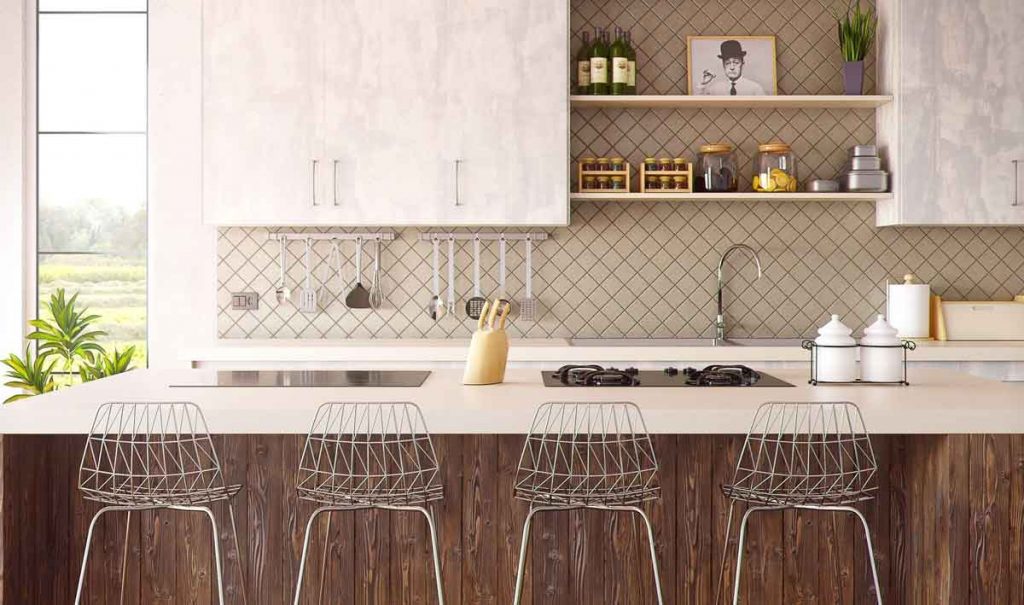
Another way to create impact – if not through your colour choice, is the shape of the tile. Some popular options include incorporating a grid like pattern, geometric, subway style, penny round, chevron, diamond tile and mosaic style patterns.

Size

The size of your splashback area will affect your tile choice. For a clean look, choose large format tiles. This will also cut down on your grout lines but not be the cost effective option. If your splashback area is medium to small, the varying subway tiles make an excellent option as the scale into this size very well. If you are happy with a little more grout mosaics are a great option and come in many fun colours and shapes.

How to choose splashback tiles for your kitchen 25
How to choose splashback tiles for your kitchen 26
Grout

In general, the smaller the tile, the more grout lines you’ll have. If you want to avoid cleaning too much grout, choose a large format tile which will result in fewer grout lines. You can also use a grout additive (booster) or grout sealant in your small tiles to ease the cleaning woes.

Consider using a fine sand Epoxy grout. It’s a little more expensive than cement grout and harder to apply, but it’s a great choice for kitchens because it resists stains, is easy to wipe clean and more consistent in colour.

Aside from your tile colour, there are a number of grout colour options too. A couple of things to take note of:

  • Unsealed white grout will easily pick up stains, so make sure if you do choose a white grout you seal it or use a grout additive.
  • Black grout will accentuate the design, so it’s usually best to incorporate black grout with more neutral tones to create the right impact. It is also suggested with Black grout to use a grout booster to hold the colour.

Lastly, it’s also important to take into consideration the type of cooktop you have or will install. There are different clearance requirements from the centre of the burner to the splashback. Most tiles are glazed at a high temperature making them withstand heat variations from a cooktop however if you are looking at other materials such as natural stone, resin or hand glazed tiles they may require further considerations.

Need some inspiration for your kitchen splashback tile design?

Get inspiration from Perth’s kitchen tile specialists! Take a look at our photo gallery for ideas or browse our kitchen splashback tile collection on display at our Myaree or Wangara showrooms.

Some of Our Best Selling Kitchen Splashback Tiles

What makes a tile suitable for Commercial use? 27

What makes a tile suitable for Commercial use?

By Commercial Tiles, Architects & Builders

There are a lot of boxes to tick when you talk about selecting tiles for commercial spaces. It all comes down to what tile is available on the market for the look you are after, the budget allowed and does it adhere to the required standards.

Below we will break down a few different types of tiles that are best for commercial projects but commonly mistaken for each other. We hope to help narrow down your search and make it easier to find that exact tile that is right for the job.

We will not cover commercial slip ratings as we have covered this subject in more depth with a selection of examples and options here.

What makes a tile suitable for Commercial use? 28
Glazed Ceramic

All clay based tiles out there on the market can be called Ceramic, as it is the name given to the end result of the clay tile making process (e.g. compaction to firing and all other processes in between). However once the clay base is made and dried the tile can go 2 ways and there are many different types of clay.

To gain a more vivid colour or precise imagery the ceramic tile can be fired with a glaze and image on top. This final finish can vary from matte to gloss and then on top the glaze can be polished to different extents (satin, semi-gloss, lappato, high gloss).

The strength of the glaze will dictate where the tile can be used. For example a high strength glaze gloss tile can be used on the floor or wall but a softer thinner gloss glaze can only be used on the walls. The glazing strengths are rated by a test known as a PEI test set by the tile industry standard.

Unglazed full body porcelain / Fully Vitrified

This is the second direction a clay tile can go. Instead of glazing the tile it can be kept unglazed which is beneficial for commercial use as it keeps the finish colour all the way through the tile. The unglazed tiles are made from porcelain so it can be fired at a lot higher temperature to make a harder stronger finish. This works well if the tile will be worn down over years of use or in a location where it can possibly be chipped or scratched, as these will be hardly noticeable.

These tiles tend to be more basic patterns or solid colours and can still be polished to create different surface finishes.

Glazed Porcelain

Ceramic tiles can be made from different clay types. The Porcelain ceramic tiles are made from a particular type of clay and are able to be dried out more than most other clays which makes them less absorbent and stronger than a standard Ceramic tile clay. Using the same processes the Porcelain based Ceramic tile is then glazed and offer the various different finishes as mentioned in ceramic tiles above.

You may notice the old terracotta glazed tiles or red biscuit tiles are not around much anymore. This is because this type of clay was very soft and porous which limits the life and ware of the tiles compared to the tiles we know today.


Porcelain Stoneware

Some wording that is appearing across the European market more and more is porcelain stoneware. Stoneware is a combination of different clay types, one being porcelain, that can only be fired at a lower temperature than porcelain and there for can only reach partially vitrified state. Making it still a strong tile to use in comparison to ceramic tiles but not the strongest against pure porcelain. These tiles can also be full bodied where the clay biscuits are tinted to match the colour of the face image or finish.

The combinations of clays can make it a more cost effective product, especially with the increased popularity in Europe of using 20mm thick tiles for exterior tiling. Many tile shops still call these types of tiles just Ceramic tiles to lower the confusion to customers. Which is why you come across tiles classified as ceramic tiles but can still tick the boxes required for when it comes to strength, durability and longevity.

What makes a tile suitable for Commercial use? 29
What makes a tile suitable for Commercial use? 30

Honourable mentions

Rectified Tiles

All the tiles mentioned so far are made by the clay being pressed in to a particular size mould then fired. But there are two different edges these pressed tiles can be sold with. The non-rectified tiles are pressed into a mould of a specific tile size and stay that size from firing to laying which means the tiles keep the moulds more curved edging.

Rectified tiles however are cut down from a larger moulded tile into their intended tile sizes. The new sharper cut edges gives us the opportunity to lay the tiles closer together with minimal grout joints.


Slip Resistant Tiles

As we mentioned at the beginning there are specific standards in Australia that require commercial areas to have the correct slip rating. These slip ratings are achieved through the final finish on the tile glazed or unglazed tiles. To find our more please read our blog or review our slip rated tiles.

Now that you have had a brief rundown on the construction of tiles you can see where certain tiles work better in some applications more than others. If you have any further questions please contact our friendly staff so they can check availability and lead times of the products that will be optimal for commercial project.

Some of Our Best Selling Commercial Tiles

How to ensure your subway tiles don’t go out of style 31

How to ensure your subway tiles don’t go out of style

By DIY, Subway Tiles, Tile Selection

Is the subway tile leaving the station? We often get asked by customers if subway style tiles are still a popular tile trend to have in the home.

They’ve been a safe and reliable go-to choice for so many years now that it’s not unusual to think this style may be getting a little tired and dated.   

The thing about subway tiles though, is they have so much versatility and variety, we believe it will never go out of style. It’s all about being creative and applying this classic tile in a new and clever way to make it anything but boring.

So, what are some ways you can reinvent the subway tile look in your home to make it relevant again? Here’s a few of our favourite ideas.

How to ensure your subway tiles don’t go out of style 32
Create contrast with borders

Subway tiles come in so many different shapes, sizes and colours that they can be applied in so many different ways. One way is with a contrasting inset of tiles. Break up your subway tile with a random inset of a different colour of the same subway style, add some marble or mosaic border for a contrasting look – the possibilities are endless.

Add a pop of colour

Move away from the timeless, white subway tile look and inject some colour for a fresh and modern appearance. Still functional, but utterly playful, coloured subway tiles work particularly well for kitchen splashbacks and in the bathroom. Subway tiles come in various shades of blue or green, iridescent, or even multicoloured so you can really have some fun with it.

Go for a different pattern

Creating a new pattern with subway tiles is one of the easiest ways to make a stunning visual impact to your space. Instead of running your subway tile in the typical running bond/ offset brick pattern, why not take another approach by changing up the direction you lay the tiles. Applying different orientations can alter how your room appears. For example, laying tiles vertically will create the illusion of more height.


Change up the size

The traditional subway tile comes in 75mm x 150mm (3×6 inches), but these days you can choose from various formats including ultra slim to larger sized tiles, square tiles and hexagon shaped tiles to create an aesthetically pleasing new look and feel. 

How to ensure your subway tiles don’t go out of style 33
How to ensure your subway tiles don’t go out of style 34
Discover new textures

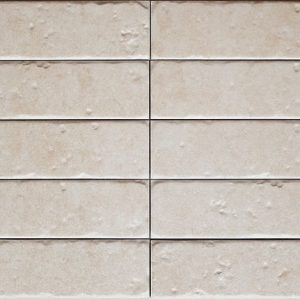
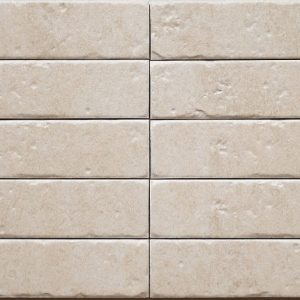
If you want to be even more inventive, explore designs with textured subway tiles to add more depth to your walls or floors. Textured tiles tend to create a more effortless, casual vibe, and if you’re going for a natural look, a little bit of texture can go a long way.


Think about the overall design

When deciding on how to incorporate subway tiles, it pays to think about the context of your entire room design and surroundings. The various interior design elements you apply to your space can influence the overall look. For example, the type of plumbing fixtures you select in a bathroom should complement your tile choice and the style you’re going for. 

With so many ways to create a new look, subway tiles are here to stay. 

Perth’s subway tile specialists

Be inspired by Ceramic Tile Supplies’ extensive range of premium subway style tiles. Browse our collection or visit our Myaree or Wangara showrooms to view the full range on display.

Some of Our Subway Tile Range

How to get the timber look for every room in your home 35

How to get the timber look for every room in your home

By Timber Look Tiles, DIY, Tile Selection

One of the biggest flooring trends that continues to gain popularity is timber look tiles. 

The quality and technological advancements of wood look tiles has evolved tremendously over the past few years, making it a terrific and incredibly lifelike choice over timber flooring. 

Timber looks are timeless. But it’s not suitable to use real timber everywhere in the home. If you’re looking for a long-lasting and affordable alternative to classic wooden floor tiles that can be used in every room, then timber look tiles is your number one choice.

We love wooden look tiles because they are easy to maintain, won’t warp, creak or rot, and unlike natural wood, are perfect in wet areas.

Timber look tiles come in ceramic, porcelain and concrete form. Porcelain is considered the best of the three as it tends to be the most durable and affordable.

So where can you use timber look tiles? Let’s take a look.

How to get the timber look for every room in your home 36

High foot traffic areas

Wood look tiles effortlessly mimic the relaxed warm feeling of natural wooden floor tiles in a home. And as a hard wearing surface they are ideal for high traffic areas.

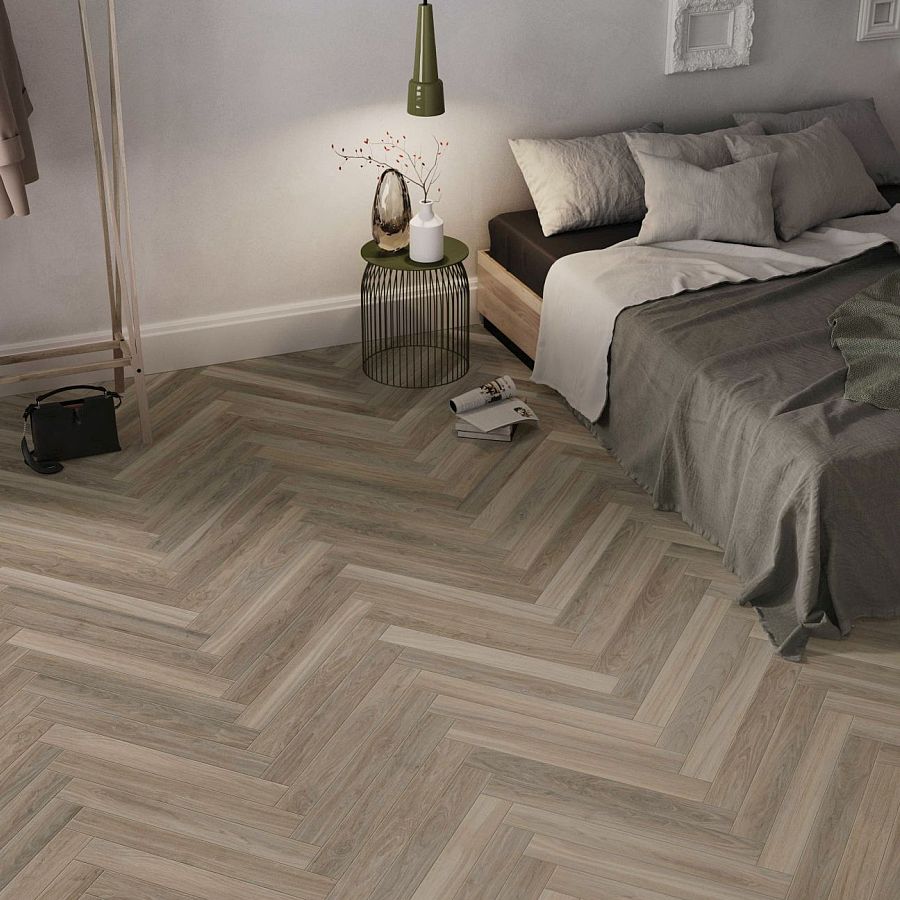
To make a statement with your timber tiles, try laying them differently. Herringbone, chevron and staggered patterns can all be achieved if you select the right timber tile.

In the bathroom

If you’ve ever noticed bathrooms with wooden features before, you’ll be pleased to hear it’s tiles. So, if you’ve ever wanted to add a splash of timber on the wall or floor – now you can!

Love the industrial look? You can achieve this at home combining aged timber look tiles dark hardware, white subway tile accents and honed concrete flooring.

Enhance with wall accents

Timber look tiled accent walls are great for the bathroom and kitchen, but they can also make a statement in the bedroom and living room – especially if you have a fireplace. 

Outdoor living areas

We love to spend a lot of time outdoors, and while wooden decking looks amazing, the upkeep and cost is insane. A good alternative to this, is of course outdoor wood look tiles. You can still achieve the same natural look to your indoor-outdoor design, with the added benefit that it will stand up against the elements, without any regular maintenance or treatment required.

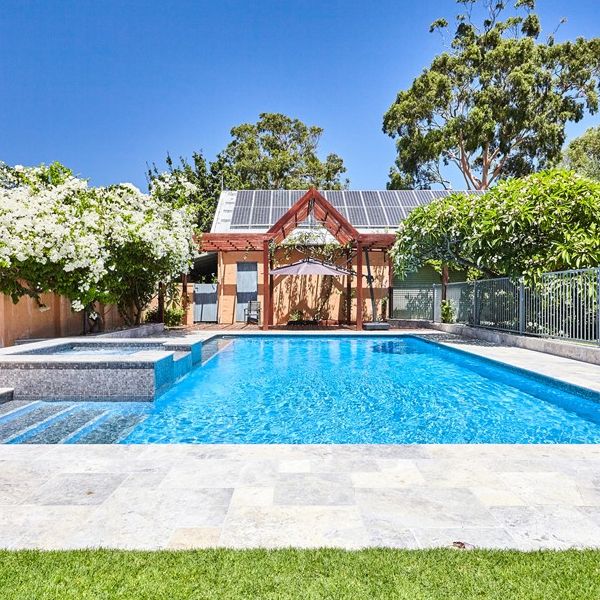
Around the pool

Did you know timber look tiles are also great for pool areas? A non-slip surface is crucial in wet areas like pools, and wooden tiles with non-slip textures are great for this. 

Wooden decking will only warp and rot over time when in constant contact with water, something you don’t have to worry about with timber tiles.

How to get the timber look for every room in your home 37
How to get the timber look for every room in your home 38

What tile grade are timber look tiles?

Tiles are graded based on their hardness and durability. The PEI (Porcelain Enamel Institute) ratings help determine where tiles should be installed. The PEI ratings are as follows:

  • PEI 1 & PEI 2 – light duty wear that is good for bathrooms and bedrooms.
  • PEI 3 – medium to heavy duty wear which will survive heavy traffic in dining rooms, living areas, kitchens, entrances, hallways in homes.
  • PEI 4 – heavy wear perfect for living areas in homes, public buildings and retail.
  • PEI 5 – heavy duty wear in heavy traffic commercial areas.

Our timber tiles are no less than PEI 3, which means you can use them anywhere in the home and not worry they will get damaged months after installation.

Perth’s timber look tile specialists

Be inspired by Ceramic Tile Supplies’ extensive range of quality timber look tiles. Browse our collection or visit our Myaree or Wangara showrooms to view the full range on display.

Some of Our Timber Look Tile Range

Why timber look tiles are better than timber flooring 39

Why timber look tiles are better than timber flooring

By Timber Look Tiles, DIY, Tile SelectionNo Comments

Timber or timber look tiles? Two popular choices that many of us grapple with when considering flooring for living areas in the home.

While you can’t go wrong with either, it all comes down to a few key things like personal preference, how much money you have to spend, how tough do your floors need to be to withstand the brunt of kids or pets (if that applies), and how much maintenance are you prepared to take on to keep your floors looking immaculate?

Timber look tiles have come a long way. With advancements in tile manufacturing, timber look tiles are fast becoming an eco-friendly and hardwearing flooring alternative. And the range and quality is insane, with a style to suit both traditional and contemporary designs.

With timber look tiles, you can easily be mistaken to think you’re standing on the real thing. Natural imperfections and details like veining, knots and shade, which you would normally see in timber, are now being cleverly disguised in timber look tiles.

So what makes timber look tiles the better flooring option? Let’s take a look at some practical benefits.

Timber look tiles are hard wearing

When it comes to bathroom flooring, you need an option that’s water-tight and slip-resistant. For kitchens, most of us look for something that’s easy to clean and can withstand spills and constant heavy traffic. Cue timber look tiles.

Unlike timber flooring, tiles won’t buckle or expand in wet areas. Extremely hard wearing, waterproof and heatproof, timber look tiles won’t scuff, fade and they are scratch resistant and heel proof. Basic spills and stains can also be easily wiped off without risking permanent damage to your floor. The effects of water over time can be damaging to wooden floors (even if sealed correctly), which is why it’s recommended you don’t use timber in high moisture areas like the bathroom.

All of this makes timber look tiles perfect for bathrooms, kitchens, alfresco areas and around pools.

Wood look tiles are affordable

When compared to authentic wooden floors, timber look tiles are cost effective and low maintenance. Timber is one of the more expensive flooring options when you add up the cost of the material, installation and upkeep. To maintain the look and finish of floorboards, ongoing maintenance is required. This includes sanding, resealing and polishing the floors to ensure its durability.

Timber look tiles are eco-friendly

Tread without guilt! Timber look porcelain tiles are a more sustainable option. It’s a welcome alternative to trees that have been cleared purely for the manufacture of wooden floors.

Tiles are a great insulator

Tiles can help to naturally heat up your home when the floors are exposed to sunlight during the day and act as a conductor at night. During summer they stay cooler underfoot, which is great for warmer climates like in Perth. Unlike wooden floors, timber look tiles can also withstand damage from heat around open and gas fires.

Allergy free flooring

Wood tiles are a safe option for anyone with asthma or allergies. The floor doesn’t trap dirt or dust mites like carpet can, and they are easy to clean. While wooden floors are great for this too, you do need to be careful with what kind of sealer, polish and lacquer you use to avoid breathing in any potentially toxic chemicals into your living space.


Perth’s tile specialists

Be inspired by Ceramic Tile Supplies’ extensive range of quality timber look tiles. Browse our collection or visit our Myaree or Wangara showrooms to view the full range on display.


7 ideas to feature subway tiles in your bathroom or kitchen 40

7 ideas to feature subway tiles in your bathroom or kitchen

By Subway Tiles, Bathroom Tiles, DIY, Kitchen Tiles, Tile SelectionNo Comments

Versatile. Durable. Affordable. Aesthetically pleasing. What’s not to love about subway tiles?

By tradition, these rectangular tiles are usually twice as long as they are tall. But despite their simple structure, subway tiles lend themselves to many different design possibilities.

It’s the one tile that never grows out of style, so if you’re looking for a failsafe solution to your bathroom or kitchen, here are 7 ways you can incorporate subway style tiles.

Classic subway

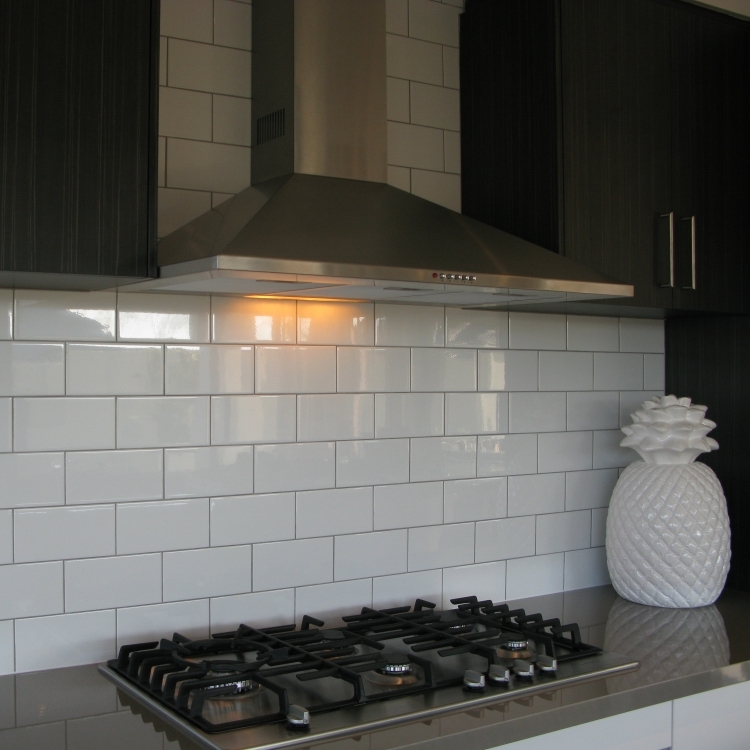
Since its early 1900s debut in New York subway stations, the timeless subway tile continues to be a popular tile choice in kitchens and bathrooms. The classic look takes its cue from conventional brickwork using a white repeating bond pattern – often referred to as running bond or offset brick. This white tile, white grout layout creates a seamless effect and is the most common subway tile pattern you’ll come across.

Stack them up

Different lays can add interest to a classic white subway tile. Large subway tiles stacked horizontally bring out a clean and contemporary look to your bathroom or kitchen design. Or, flip them over and install them vertically to evoke height and create an illusion of taller walls and higher ceilings.

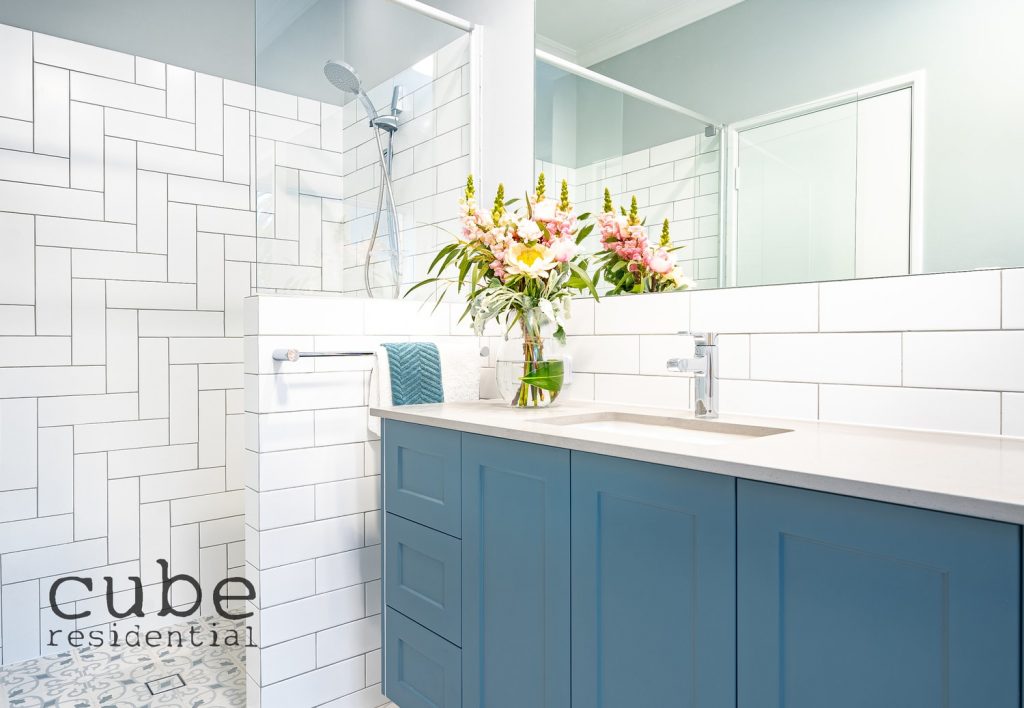
Herringbone at 90 degrees

Named for its similarity to fish scales, this arrangement of rectangles in an L-shaped pattern creates a sense of movement and visual interest by drawing the eye up. In this layout, tiles are arranged so that the end of one vertical tile meets the side of a horizontal tile at a 90 degree angle. It works well for taller spaces like a shower.

If you want to take your herringbone design to the next level, bevelled edged subway tiles will add even more dimension to your space. Many interior designers love this modern look to the classic flat subway tile.

Herringbone at 45 degrees

Another impressive herringbone design is to rotate your subway tiles at 45 degrees. This pattern looks great on floors or walls. It works well for smaller spaces because it keeps your eyes moving around the room making it appear larger than it is. If you want to draw attention to a specific area, then herringbone is the way to go.

Basket weave

Interchanging pairs of horizontally and vertically laid subway tiles creates a grid-like pattern that resembles – you guessed it a woven basket. For the real wow factor, go for a contrasting tile and grout. This will give your weave design a more distinct effect. If you want to be original, a double basket weave pattern will produce an even more modern look.

Mix up the grout

Who said your grout has to be white? One of the easiest ways to modernise your space is to apply a different coloured grout (and it makes for easier cleaning too). Popular choices include black and dark or light grey. Dark grout will make white subway tiles pop out, as will the opposite of black tiles and white grout. If you want to create a more edgy and industrial feel, than a contrasting grout is what you should be aiming for.

Experiment with colour and texture

The original subway tiles were always white, but nowadays subway tiles come in a wide variety of colours, sizes and textures. Make the look of your space your own by experimenting with different shades and surfaces to achieve a trendy yet timeless design. One way you can do this is with colour blocking, which is a great way to break up white tiles.

We’ve all heard how mirrors can help elongate a space and make it look bigger, and you can also achieve the same effect with mirrored subway tiles.


Perth’s tile specialists

Be inspired by Ceramic Tile Supplies’ wide range of premium subway style tiles. Browse our selection of classic and modern designs, or visit our Myaree or Wangara showrooms to view the full range on display.