Looking at elevating your home this year? Discover 2024 tiles and home design trends that will inspire you to renovate your home.
Looking at elevating your home this year? Discover 2024 tiles and home design trends that will inspire you to renovate your home.
Looking at elevating your home this year? Discover 2024 tiles and home design trends that will inspire you to renovate your home.
Looking at elevating your home this year? Discover 2024 tiles and home design trends that will inspire you to renovate your home.

Explore eco-friendly home design with sustainable tiles. Make informed choices for your floors and walls to positively impact the environment.
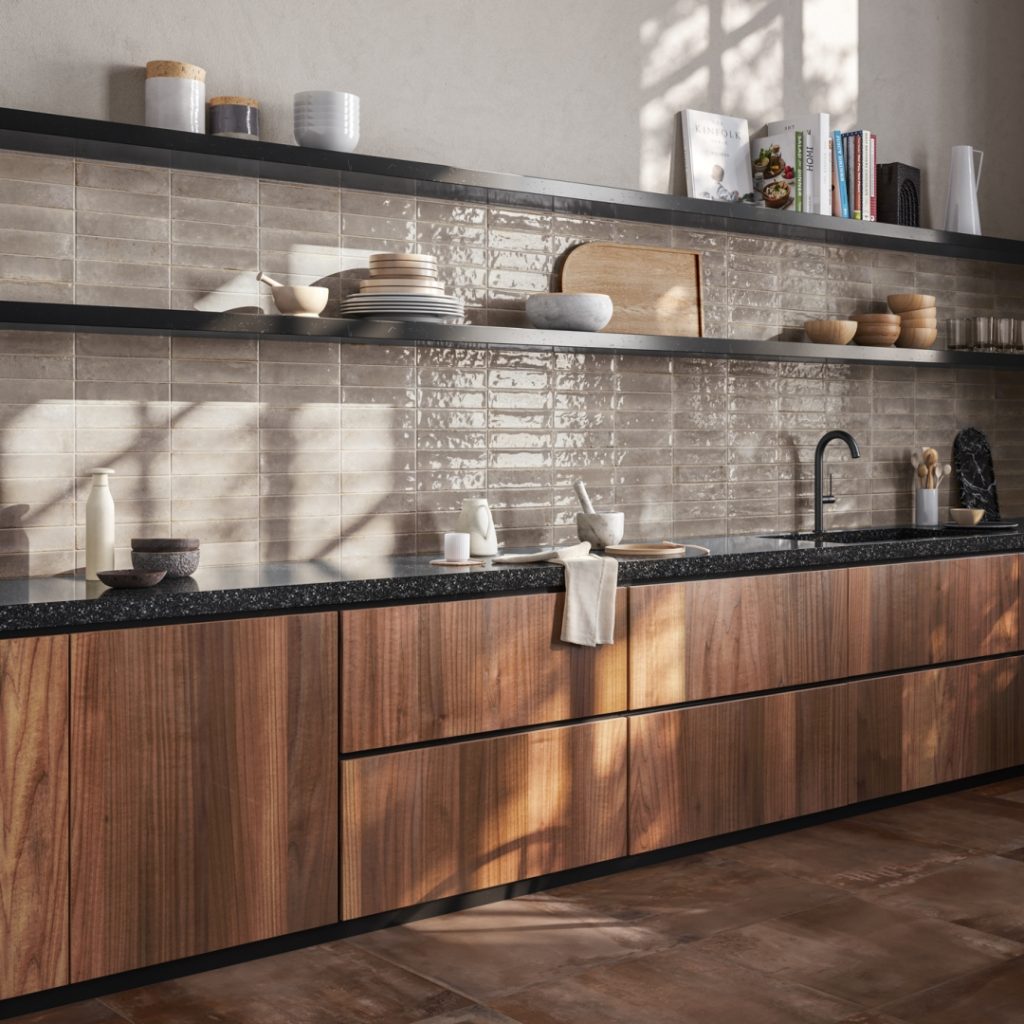
Choosing between timeless and trendy kitchen tiles depends on how a homeowner wants their kitchen tile design to function over time. Timeless options focus on neutral colours and established layouts that remain suitable for many interiors, while trend-based kitchen tiles introduce stronger colours, patterns, or textures that reflect current design movements.
For homeowners in Perth planning a renovation or new build, the choice of kitchen tiles can influence the visual balance of the space and how adaptable the kitchen tile design remains in future updates. Understanding the differences between enduring styles and trend-driven designs helps homeowners make informed decisions that align with their preferences and long-term plans.
A kitchen tile design generally falls into two broad categories: timeless styles and trend-driven styles. Both types of kitchen tiles serve different purposes depending on the goals of the homeowner.
Timeless options prioritise neutrality and long-term compatibility with different interior styles. Classic kitchen tiles typically include simple finishes, restrained colour palettes, and familiar layouts such as subway or large-format tiles.
Trend-based kitchen tiles, on the other hand, often reflect current interior design movements. These may include distinctive shapes, bold colour palettes, or intricate surface patterns.
Neither approach is inherently better. The choice between them often depends on how frequently a homeowner expects to update their kitchen tile design.
Timeless kitchen tiles are characterised by restrained colours, simple layouts, and materials that remain widely used in residential kitchens. These tiles often serve as a neutral base within a broader kitchen tile design.
Homeowners who prefer stability and flexibility often consider classic kitchen tiles because they allow other design elements—such as cabinetry, lighting, or décor—to change over time without requiring tile replacement.
Timeless kitchen tile design typically prioritises clarity and balance rather than strong visual contrast.
Minimalist kitchen tiles are one of the most common timeless choices. They often include neutral shades such as white, grey, beige, or black. These colours integrate easily into many kitchen tile design approaches.
Large-format tiles, stone-look ceramics, and subtle matte finishes are common examples. Many classic kitchen tiles follow minimalist principles because they minimise visual clutter and allow other elements of the kitchen to stand out.
For Perth homeowners planning long-term renovations, minimalist kitchen tiles can provide a stable foundation for a kitchen tile design that remains adaptable over time.
Subway kitchen tiles have remained common in residential interiors for over a century. Originally used in early twentieth-century transport systems, the rectangular format has since become a widely recognised element of classic kitchen tiles.
In modern kitchen tile design, subway tiles are often installed as splashbacks, behind cooktops, or along preparation areas. The arrangement pattern—such as horizontal stack, vertical stack, or herringbone—can change the appearance while maintaining a familiar tile shape.
Neutral colours such as white, grey, and charcoal continue to be widely used in subway kitchen tiles because they maintain visual clarity across many kitchen styles.
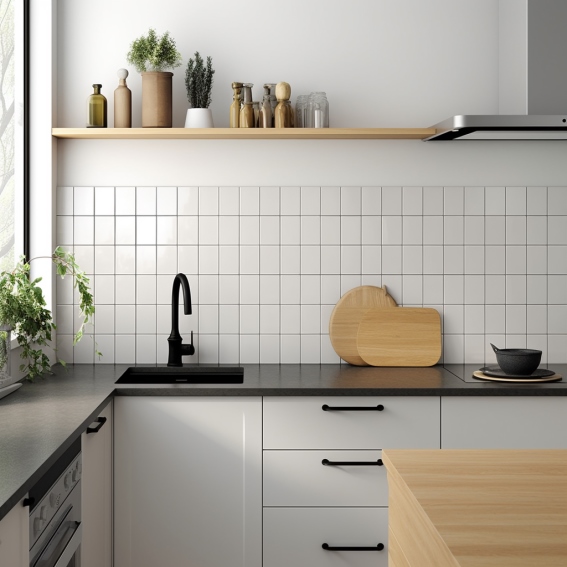
Trend-focused kitchen tiles allow homeowners to introduce distinctive elements into their kitchen tile design. These tiles may incorporate stronger colour contrasts, geometric layouts, or decorative surfaces.
While trend-based designs can create visual interest, they may also reflect particular design periods. As a result, some homeowners choose to apply these kitchen tiles in smaller areas rather than across the entire kitchen.
Combining trend elements with classic kitchen tiles is a common strategy for maintaining design balance.
Mosaic kitchen tiles are composed of smaller tile pieces arranged into repeating patterns. They are often used to create feature areas such as splashbacks or accent panels within a kitchen tile design.
These tiles can incorporate glass, ceramic, or porcelain materials and may include geometric or curved layouts. Mosaic kitchen tiles allow homeowners to introduce pattern variation without covering the entire kitchen surface.
When integrated alongside classic kitchen tiles, mosaic designs can create focal points while maintaining overall balance in the kitchen tile design.
Coloured kitchen tiles introduce stronger visual contrast into a kitchen tile design. Blues, greens, pinks, and other saturated colours may appear in splashbacks or accent walls.
The psychological influence of colour is often considered during kitchen planning. Some colours are associated with energy, calmness, or brightness, which can influence the atmosphere of the space.
Because colour preferences change over time, some homeowners pair bold kitchen tiles with classic kitchen tiles to maintain flexibility if future updates are required.
Decorative kitchen tiles include printed or embossed surfaces that create repeating visual patterns. These tiles have historical roots in European architectural traditions, particularly within Spanish and Mediterranean interiors.
In modern kitchen tile design, decorative tiles are often used in smaller areas such as splashbacks, feature strips, or under shelving.
Using patterned kitchen tiles selectively helps prevent visual overcrowding while allowing homeowners to introduce cultural or artistic influences into the kitchen tile design.
When selecting kitchen tiles, Perth homeowners often evaluate several practical factors beyond visual style.
Lighting conditions can influence how colours and textures appear within the kitchen tile design. Natural light may emphasise reflective surfaces, while artificial lighting may highlight grout lines or patterns.
Material durability and maintenance requirements also influence tile selection. Some classic kitchen tiles use glazed ceramic or porcelain surfaces that are commonly used in kitchens due to their resistance to moisture and staining.
Viewing kitchen tiles in person is often recommended before finalising a kitchen tile design. Tile size, texture, and colour tone can appear different in physical environments compared with digital images.
Choosing between timeless and trend-based kitchen tiles involves balancing long-term adaptability with personal style preferences. Timeless options such as neutral ceramics and subway layouts remain widely used in classic kitchen tiles, while trend-focused options introduce colour, pattern, or texture into a kitchen tile design.
Many kitchens combine both approaches by using classic kitchen tiles for the main surfaces and applying trend elements in smaller areas. This approach allows homeowners to maintain design flexibility while still expressing individual preferences.
By understanding the characteristics and limitations of different kitchen tiles, homeowners can make informed decisions that support a practical and visually balanced kitchen tile design.
Timeless kitchen tiles generally include neutral colours, simple shapes, and widely used formats such as subway or large-format tiles. These styles are often associated with classic kitchen tiles that remain compatible with many interior designs.
Trend-focused kitchen tiles are not necessarily risky, but they may reflect specific design periods. Some homeowners choose to incorporate them into limited areas of a kitchen tile design to maintain flexibility for future updates.
A common approach is to use classic kitchen tiles for large surfaces such as walls or floors, while adding patterned or coloured kitchen tiles in splashbacks or feature sections.
Yes. Viewing kitchen tiles in person helps homeowners evaluate colour tone, surface texture, and tile size. These factors are important when planning a complete kitchen tile design.
Light-coloured kitchen tiles and simple layouts are commonly used in smaller spaces because they maintain visual clarity. Many classic kitchen tiles follow this approach.
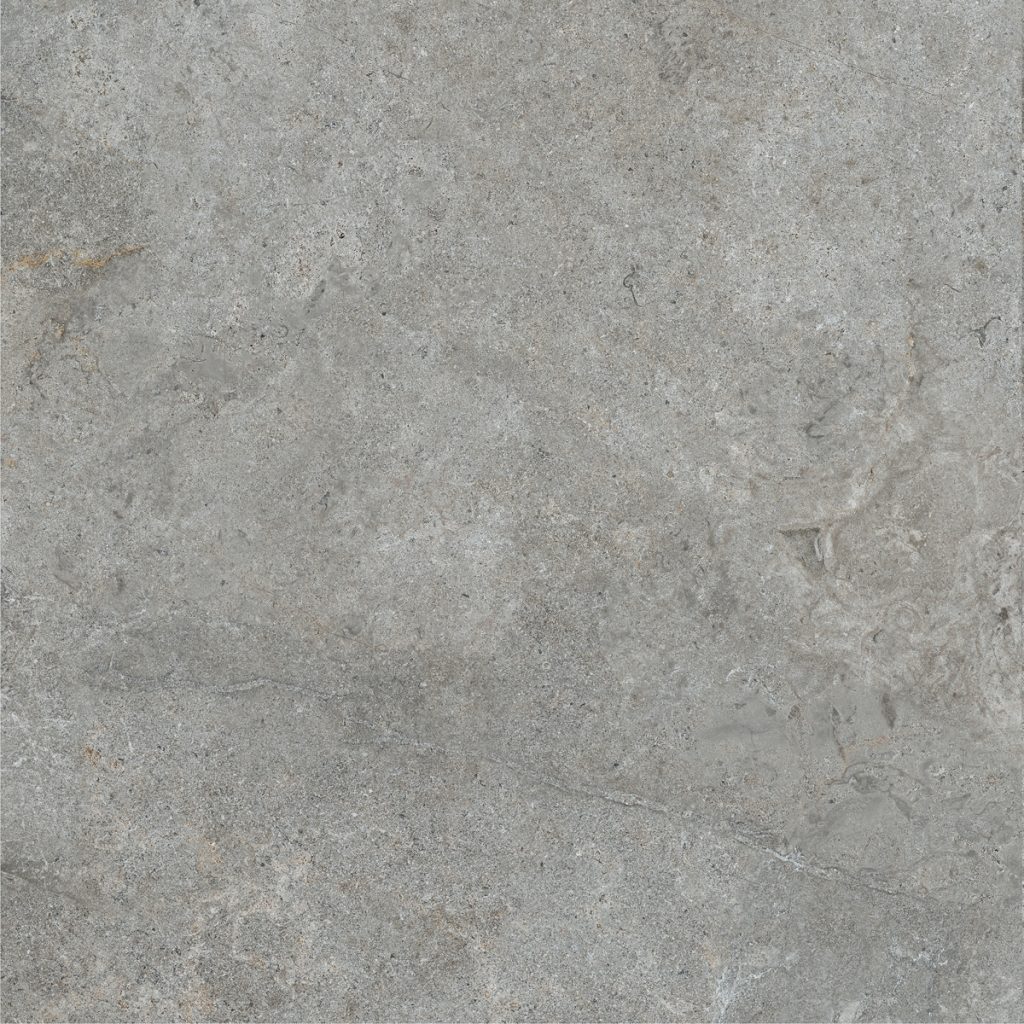
When shopping for floor tiles, one of the biggest factors to consider is the tile’s durability. Not all floor tiles are created equal, and some materials are more durable than others. Depending on where you’re installing your tiles you might need floor tiles with higher durability.
In this blog, we will compare the durability of different floor tile materials we provide at Ceramic Tile Supplies and offer useful information that will help you make your final decision. If you have any questions along the way, contact our team and we will be happy to help you.
Ceramic tiles are a popular choice for flooring due to their durability and affordability. They are made from clay and other natural materials that are fired at high temperatures. Ceramic tiles are strong and scratch-resistant, making them ideal for high-traffic areas such as kitchens and hallways.
Although many people mix-up ceramic and porcelain tiles, they are in fact different materials that hold different benefits. Ceramic tiles are considerably less dense than porcelain tiles, which makes them easier to cut into different shapes and sizes; however, it means they’re also less durable than porcelain tiles. If faced with heavy impact, ceramic tiles can chip/break, which can deter customers from choosing ceramic tiles.
To increase the durability of ceramic tiles, choose a ceramic glaze for your tiles. This is a thin layer of material that can be applied to a porcelain and/or ceramic object to give it a protective layer. Glazed ceramic tiles are a great option for all areas from indoor spaces such as bathroom floors and kitchen splashbacks, to outdoor areas where slip resistance is required.
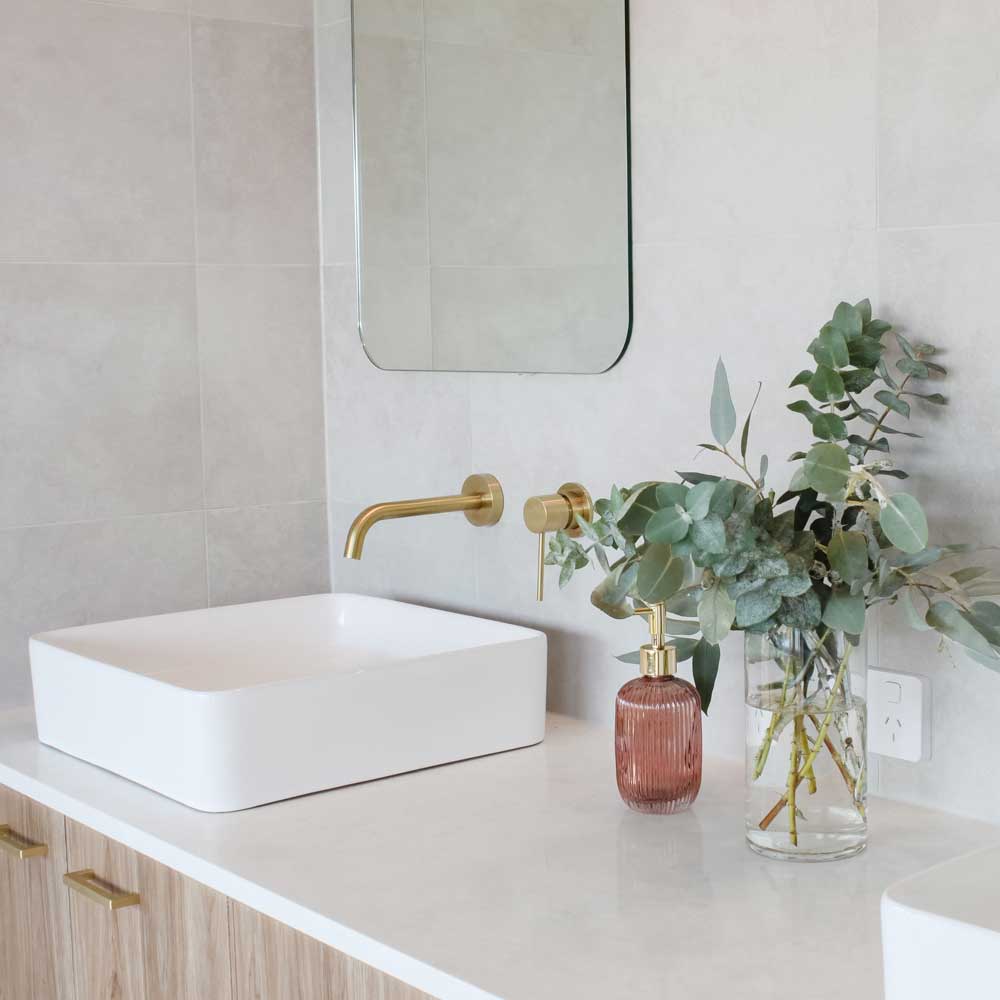
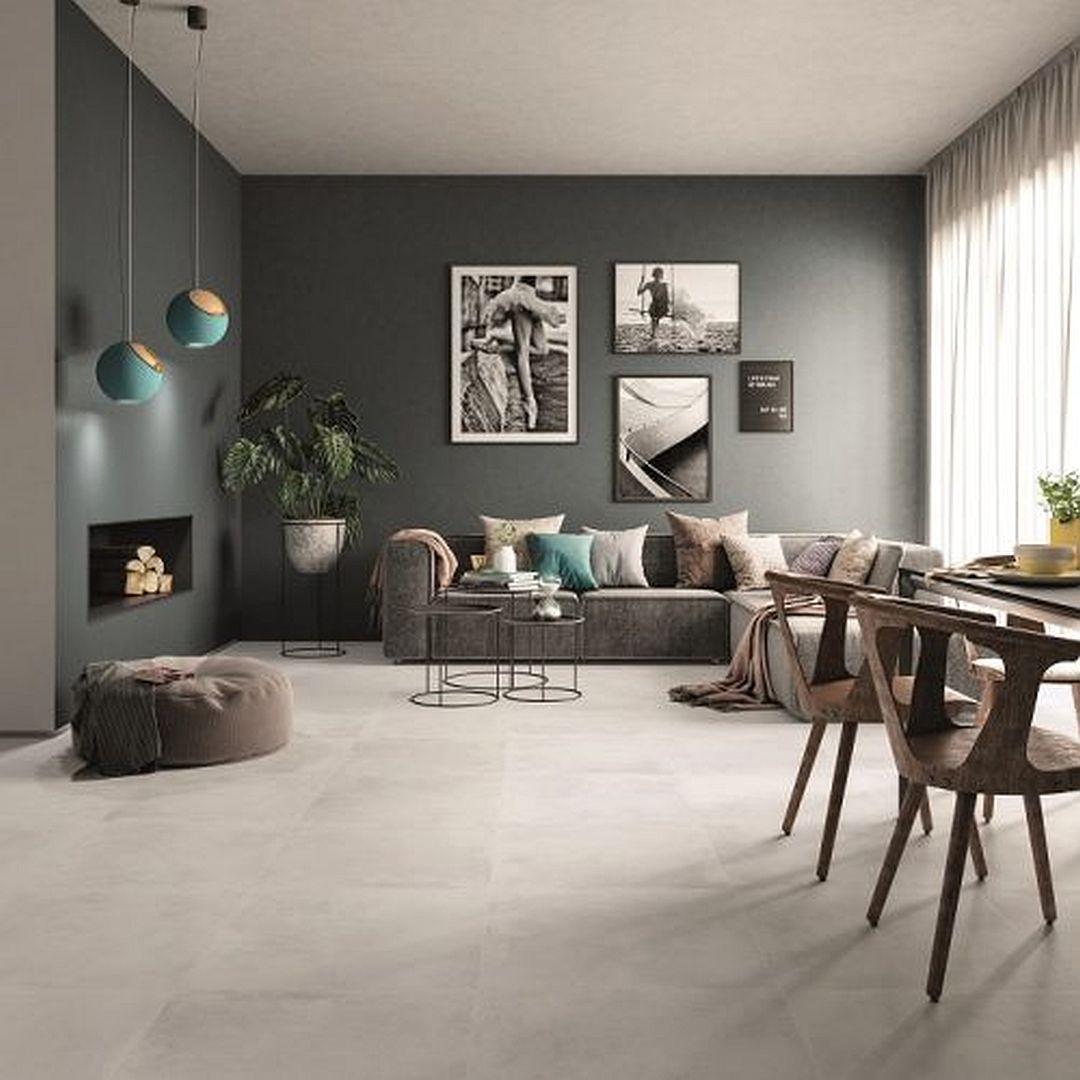
Porcelain tiles are denser and therefore more durable than ceramic tiles. They are fired at a higher temperature than ceramic tiles, which gives them a tougher and heavier surface to withstand heavy impact. Porcelain tiles are highly resistant to scratches, corrosive liquids and general wear and tear, making them an ideal choice for high-traffic areas such as commercial buildings and outdoor areas.
Additionally, porcelain tiles are also impervious to water, making them ideal for installation in wet areas such as bathrooms and around swimming pools. They are also highly resistant to heat, so they can be used in spaces with fireplaces and stoves.
Due to this higher durability, porcelain tiles are generally more expensive than ceramic tiles. Although you will face a higher cost initially, you can expect a longer lifespan, making them a worthwhile investment.
In recent years, thin porcelain tiles emerged in the market, which offers the tough surface of porcelain tiles yet, at a lower density. Thin porcelain tiles offer a minimal thickness of between 3 – 8mm (previously, thickness was 10 – 12mm) and often range from 750mm – 1000mm wide and up to 3 meters in length. Unlike traditional porcelain tiles, thin porcelain tiles can easily be cut into different shapes and sizes to fit your design.
Timber is a much-loved material in Australia, with one of the most popular ways to incorporate timber is using timber for your flooring. Offering an eye-grabbing warmth of colour to the room whilst also providing comfortable underfoot, natural insulation and durability—timber flooring is a great option for your floor tiles.
Although timber flooring entices designers with their visuals, they’re not always the best choice for all homeowners. Natural wood flooring is expensive, requires regular maintenance (sanding, staining and waxing), can fade over time and are not recommended for wet areas. Ensure to consider the use of the space before you decide to install timber flooring.
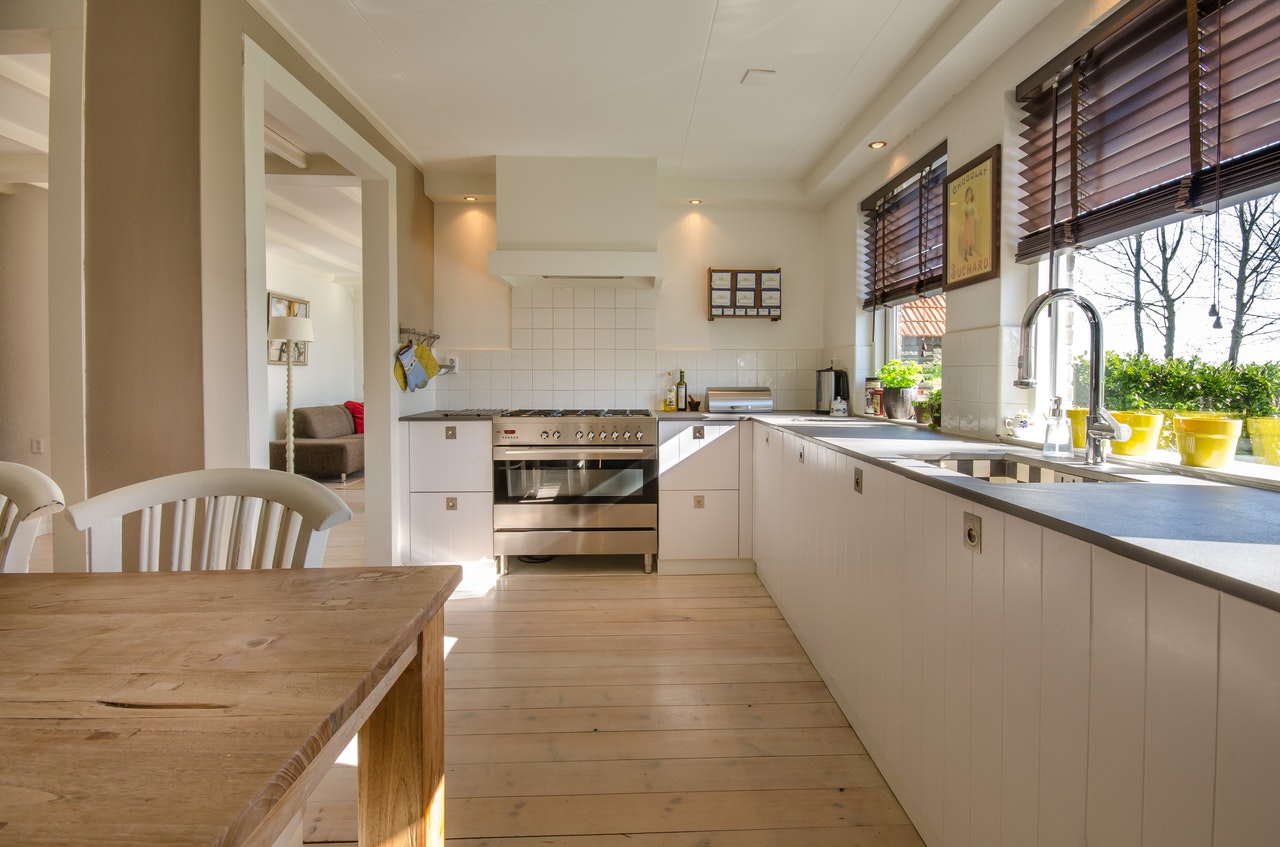
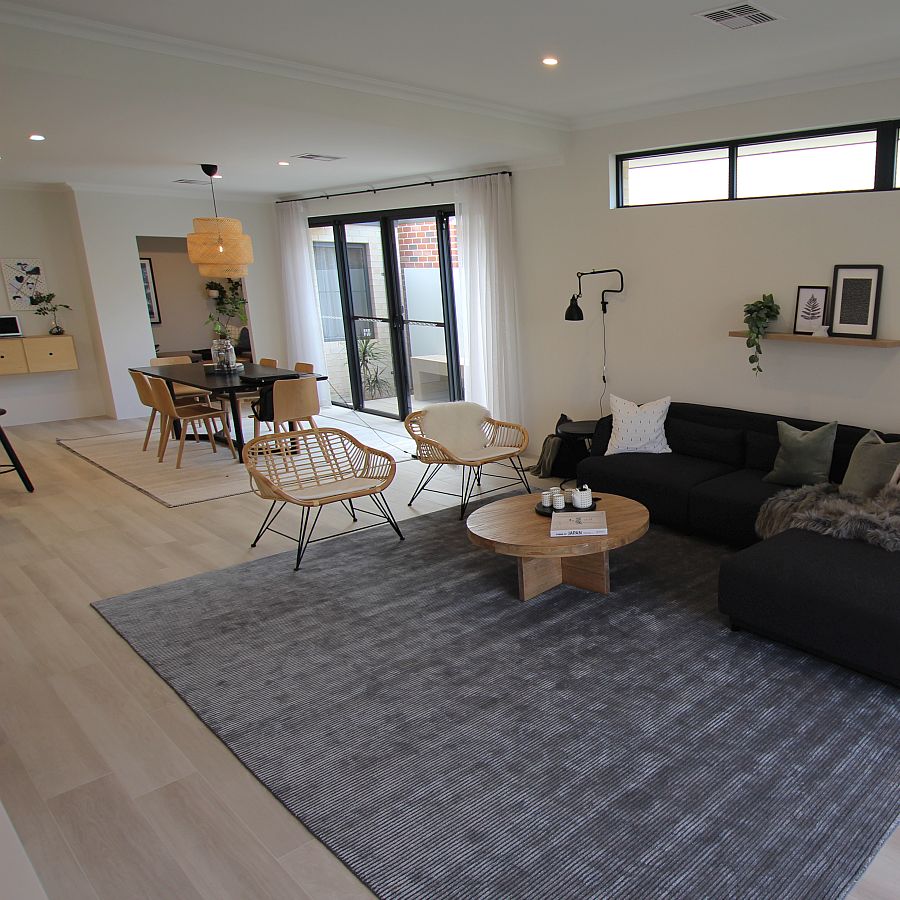
Another option for timber flooring is choosing timber look tiles. These are tiles that visually look like timber however, are made of other materials.
With incredible advancements in technology, timber look tiles can appear almost identical to timber flooring, with added benefits that timber flooring lacks. For example, timber look tiles are more affordable, hard-wearing, water resistant, heat proof, easy to clean and require little maintenance. If you’re looking for an alternative to timber flooring, choosing timber look tiles is a no-brainer.
Similar to timber-look tiles, stone-look tiles replicate natural surfaces in a hard-wearing, water resistant and more affordable tile material (porcelain, ceramic and classic travertine – honed and filled). From limestone, clay, marble, rock surfaces and more—all stones can be replicated into stone-look tiles.
Stone-look tiles require little upkeep, offer great insulation and never go out of style. If you’re looking to achieve a modern aesthetic whilst accommodating a high foot traffic space, stone look tiles are an ideal choice of tile for your needs.
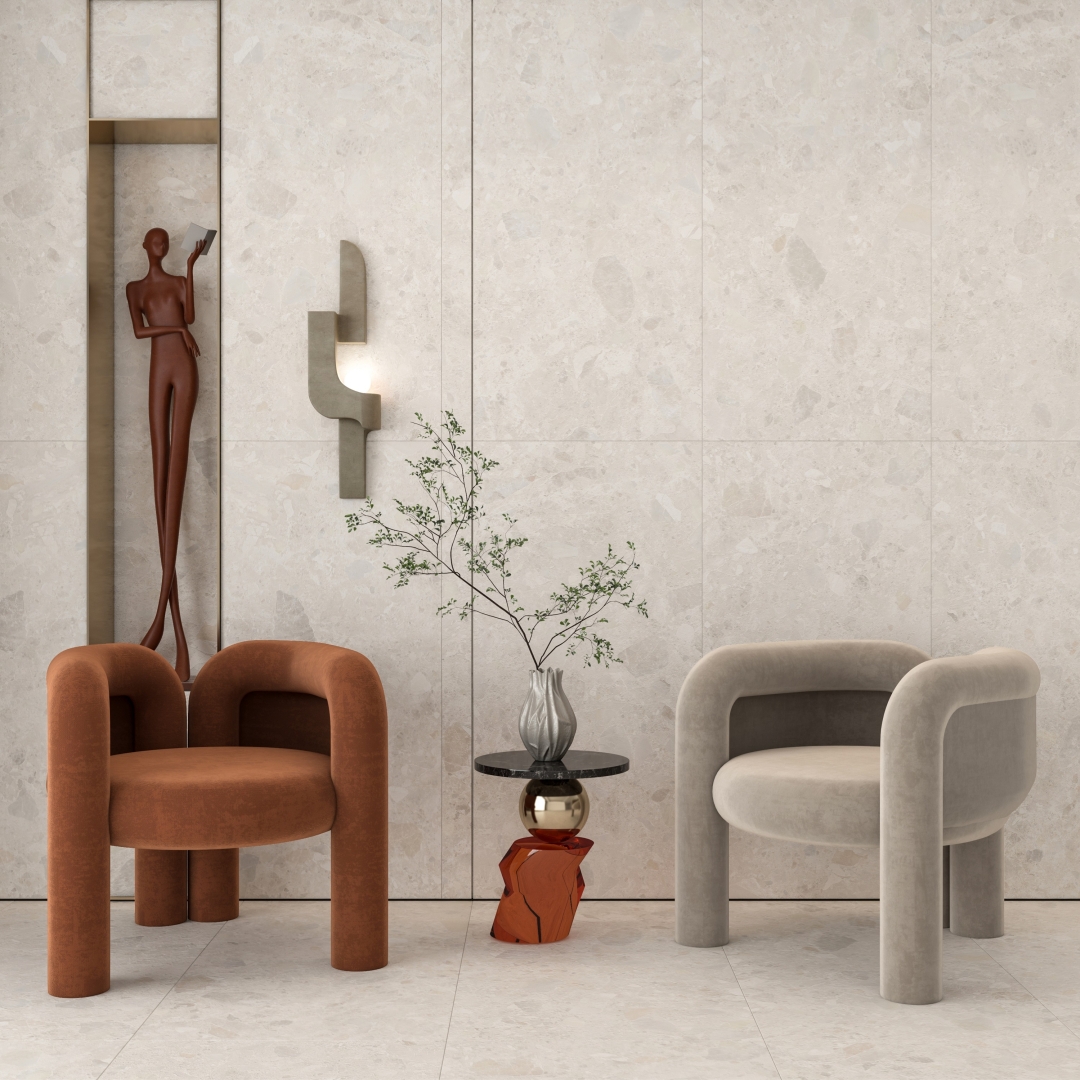
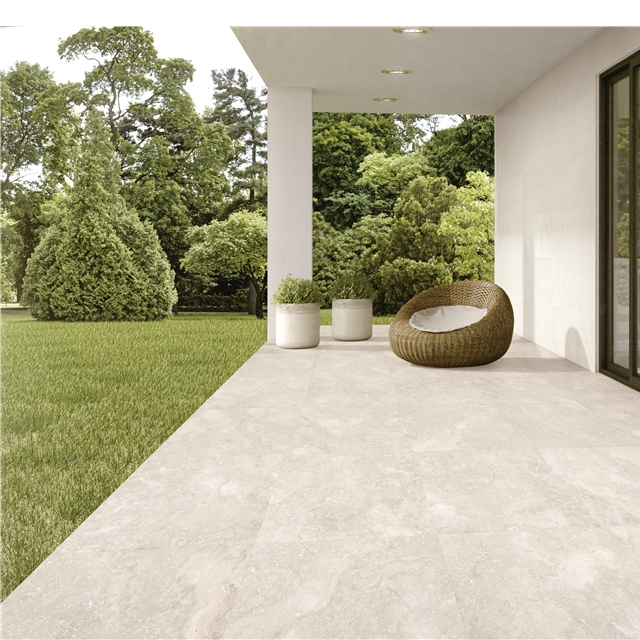
Travertine is a very durable and heavy type of natural limestone made from mineral deposits from natural springs. Travertine tiles are appealing with their organic surface and striking appearance featuring naturally formed swirls in the rock.
You can find travertine in bathrooms, showers, around pool areas and other wet areas due to the natural non-slip surface of the stone. Often travertine tiles are used on feature walls, offering a modern and stylish aesthetic to the room.
Here at Ceramic Tiles Supplies, we offer travertine tiles in both crosscut and vein cut formats and can be supplied in any size, with any finish. Depending on the finish you choose, slip resistance may be altered. Discuss with our team to ensure the glaze you choose accommodates your requirements.
In conclusion, different floor tile materials offer varying degrees of durability, with porcelain and natural stone tiles being the most durable, followed by ceramic tiles and vinyl tiles. It’s important to consider the intended use of the flooring, the level of foot traffic, and the likelihood of exposure to water, heat, and acidic substances when choosing the right type of tile. With proper installation and care, floor tiles can retain their high quality, colour and appearance for years to come.
We recommend visiting one of our Ceramic Tile Supplies showrooms (located in Myaree & Wangara) to see the selection of floor tiles in person. Floor tiles completely transform the aesthetics of a room, you want to ensure you’re 100% satisfied with your decision. See our opening hours here to organise your visit.
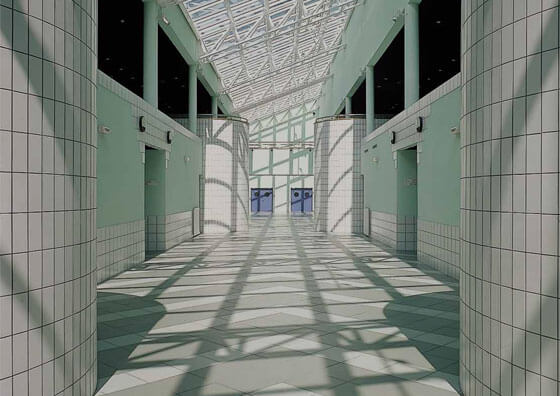
An important requirement in the NDIS recommendations is installing non-slip ceramic tiles. Here at Ceramic Tile Supplies, we offer a wide selection of non-slip ceramic tiles to meet these NDIS standards. If you’re looking for non-slip tiles for an aged care center, bathroom, hospital or home – CT Supplies is here to help you provide a safer environment for your needs.
The National Disability Insurance Scheme (NDIS) provides all people with disabilities essential resources, connections and services that improves their overall wellbeing. With around 4.3 million Australians with a disability, this is an important initiative that improves millions of lives in countless ways.
Providing home modifications is an essential piece of the puzzle, with the NDIS recommending detailed guidelines for builders and designers. From small adaptations such as a grab rail, to more complex modifications such as ramp solutions for dwelling areas. To meet NDIS standards, there’s a detailed list of Complex Home Modifications (CHM) with funding accessible through the individual’s NDIS plan.
When it comes to flooring, there are specific flooring requirements to meet for different areas/spaces. Below, we’ve outlined flooring information to keep in mind when choosing your NDIS flooring. However, always consult with a NDIS provider to confirm what will be best for your requirements.
Slip resistant flooring are glazed or unglazed porcelain tiles that meet the required slip resistant ratings that have been assessed by Slip Tests. When browsing through CT Supplies’ range of slip resistant tiles you will notice the Slip Ratings given alongside each tile.
Slip resistant tiles are tested via three different methods:
For more information, visit our slip resistant tiles page here.
Bathrooms
Due to the amount of water that is sprayed from taps, sinks and shower heads, it’s vital to invest in non-slip bathroom tiles to increase safety. Regardless of whether you’re seeking to meet NDIS requirements or, you’re simply building a general bathroom for your home – slip resistant tiles are essential.
Slipping and falling is a major cause of home injuries for elderly, children and people with disabilities. By installing non-slip tiles you will greatly reduce risk and improve usability in your bathroom.
For aged care bathrooms and ensuites the wet pendulum meets P3 with an oil/wet ramp rating of B. This means the flooring needs to be tough and negate water to prevent a slippery surface as well as appropriate substrate surface for wall tiling too.
For toilet facilities in offices, hotels and shopping centers, the requirements are similar with the wet pendulum test requiring P3 tiles and an oil/wet ramp rating of R10.
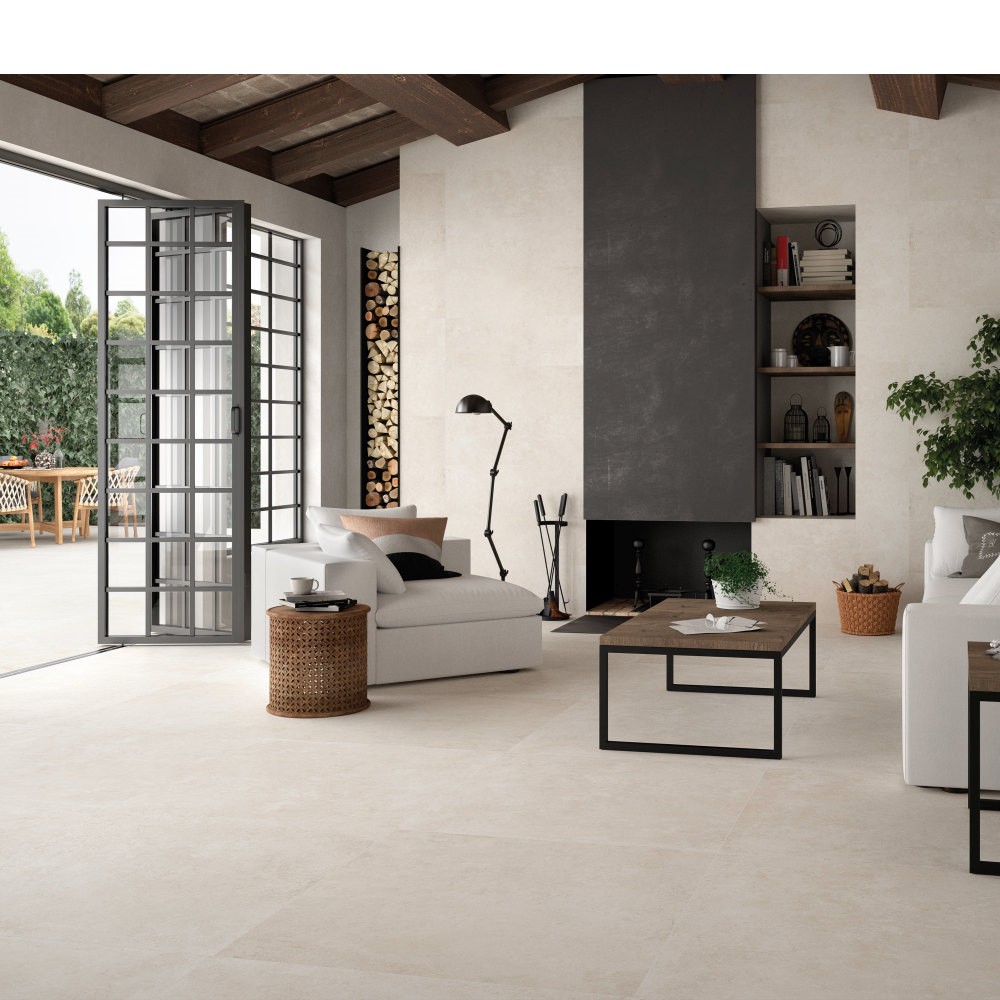
Entrances and hallways are the main point of entry, seeing a lot of foot traffic constantly. It’s vital that these areas of the building or home cater to all guests and visitors.
Alongside providing easy access paths and walkways (offering 1000mm minimum width, or wider for wheelchair access), the flooring must be a slip resistant surface, such as concrete broom finish or wooden trowel finish. This applies to any ramps or dwelling entrances too.
Kitchens are another area that is prone to water spraying from taps, sinks, dishwashers etc. Ideally, slip resistant tiles would be installed in every home/building kitchen regardless of meeting NDIS requirements. This improves overall safety for all occupants.
NDIS kitchens vary significantly depending on the design of the kitchen as well as the disability of the individual/s. A requirement that’s consistent across the board, is installing non slip tiles. It’s always useful discussing with your local NDIS provider on which flooring they would recommend for your specific job.
If you’re looking for non-slip tiles in Perth, look no further. Here at Ceramic Tile Supplies, we’ve got a wide range of ceramic tiles to suit all needs and style preferences. Visit one of our showrooms or browse our selection online. We’re only a phone call away if you have any questions.
500 in stock
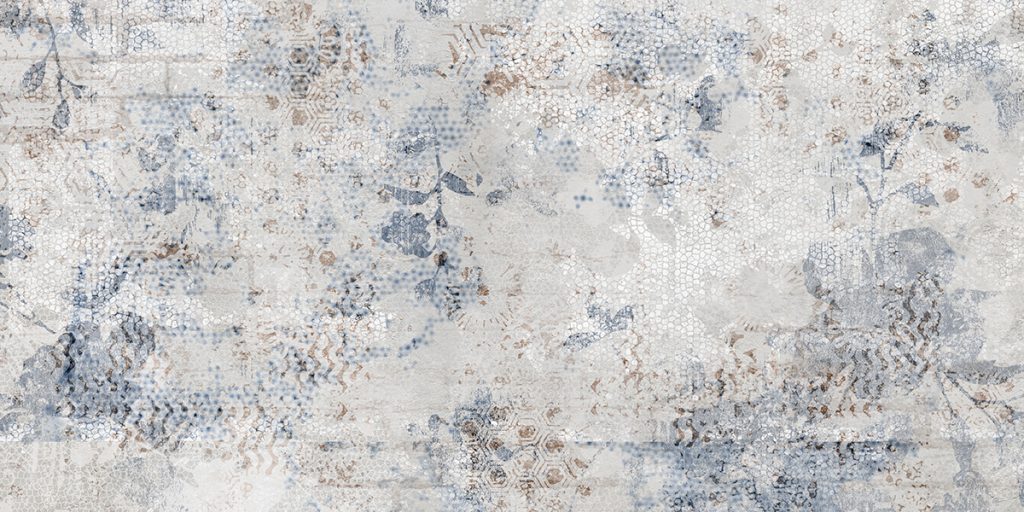
Inkjet technology has truly transformed the potential of ceramic and porcelain tiles. When applied to ceramic and porcelain tiles, inkjet technology has allowed for some very unique and innovative products to emerge.
Through Inkjet technology, manufacturers are not only focusing on the challenge of replicating realistic reproductions of existing surface materials (wood, stone or brick), but are also immersing themselves in the opportunity to print out different textures. The reproduction of these different materials and textures is uncanny, offering a more affordable option for high quality materials.
Inject technology works similarly to a printer, digitally printing liquid onto a material to create patterns and images. However, where inkjet technology differs is how advanced the printing equipment is, allowing for the ability to replicate exact images as well as textures that can be felt by the hand. Where your printer is clearly producing images with ink, it’s next to impossible to differentiate inkjet’s printing from the real material.
Many customers are surprised to learn that inkjet technology doesn’t actually touch the ceramic tile! All printing is done digitally, printing high resolution patterns and designs to imitate your chosen texture (marble, granite, limestone, wood etc.)
The inkjet technology works by using the heads/dispensers (6 main heads, 3 additional for detailing) each of which have millions of pixels distributing the specialty ink over the ceramic tile. Controlled by a computer, tiles are digitally printed with high-resolution 3 dimensional materials.
Inkjet printers can utilise 8 or more colours, allowing for a great range of shades and tones to be printed on the tiles. Amazing detail, contrast and variations – the options are truly endless with inkjet technology.
Inkjet technology revolutionizes the way designers can manipulate images, opening up immense choice with styles. Renovators, interior designers and home developers now have the freedom to create hundreds of different visuals by merging or mixing several images. You can produce anything from concrete looking tiles, stone, marble, brick and even textiles. The challenge will be deciding on which style you’re after!
Have you always wanted timber-look tiles in your bathroom but don’t want to deal with the maintenance involved? Well, now you can!
Inkjet technology offers the best of both worlds, aesthetically matching your ideal visuals yet, also maintaining the ceramic and porcelain tile canvas allowing for little maintenance. Now you can obtain stunning aesthetics in any room of your house without having to think about the extra maintenance involved with other materials.
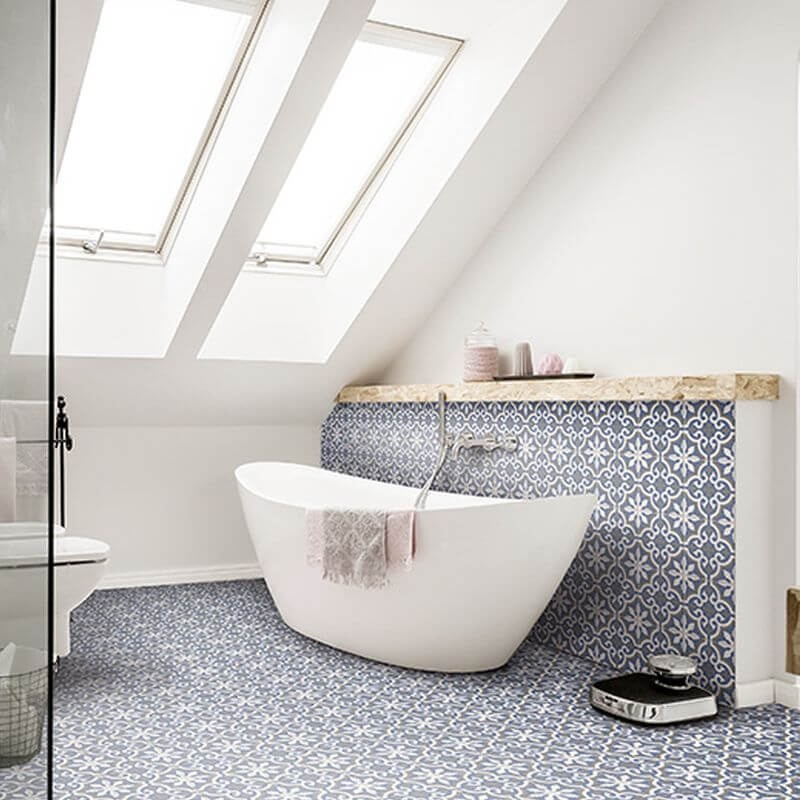
If you’re renovating or building your home, it can be quite the challenge sticking within budget. It only takes one meeting with the builder to realise you’ve exceeded costs in areas you weren’t anticipating. Here’s where inkjet technology always surprises and delights customers. Maintaining impressive quality yet also being cheaper than harder natural stones or wood, inkjet technology is a no-brainer for many designers.
Plus, with inkjet technology, you don’t need to be worried about the long wait times that timber and natural stones are currently facing.
Ceramic tiling has been re-defined with inkjet technology. High quality, affordable, endless styles and available now! See more information on our Inkjet technology here or, give us a call or email to talk with our team.
500 in stock
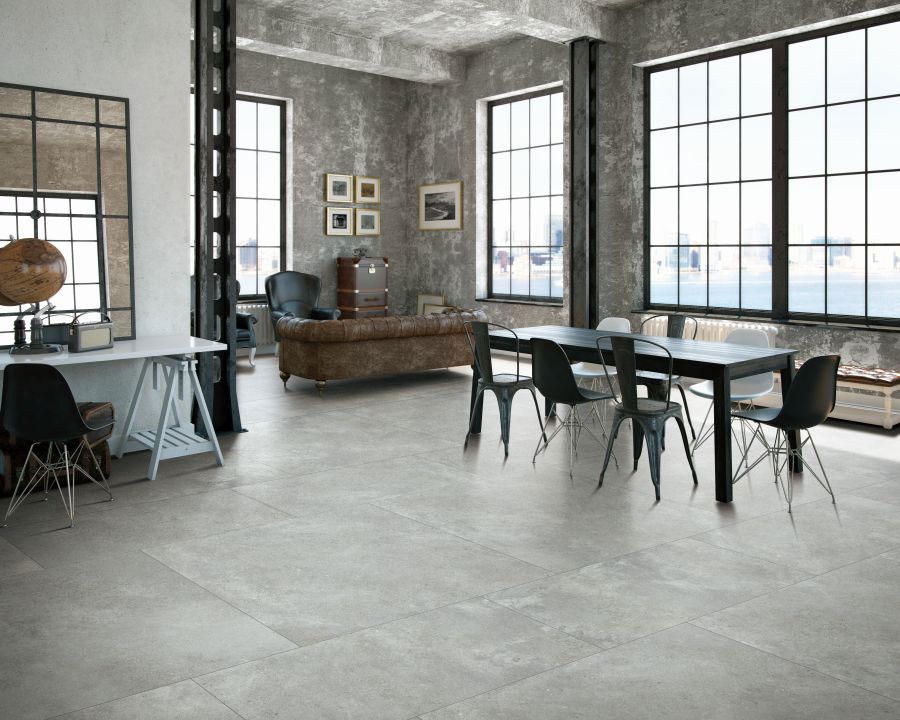
When choosing ceramic or porcelain tiles, one of the first decisions you’ll need to make is whether you prefer rectified or non-rectified tiles. If you’re unfamiliar with the meaning of “rectified” and “non-rectified” let us fill you in.
Rectified tiles have a perpendicular cut and polished edges. They are often cut down from larger tiles by the manufacturer, this allows the tile edges to fit symmetrically, tightly and cleanly together creating an aesthetic uniformity and means you won’t see any grout between the tiles. Grout lines are extremely fine around 3mm or less and often disappear when looking at the space. The floor will look like one large tiled space rather than seeing breaks between the tiles.
Non-rectified tiles, also known as molded tiles or pressed tiles are pressed into a standard sized mold and therefore reflect the curved edges of the mold once fired. Due to this, more grout is visible between the tiles, offering a more obvious break between each tile. This will mean the non-rectified tiles show more grout in their installation but can be useful when used on uneven surfaces as the curve disguises the movement underneath.
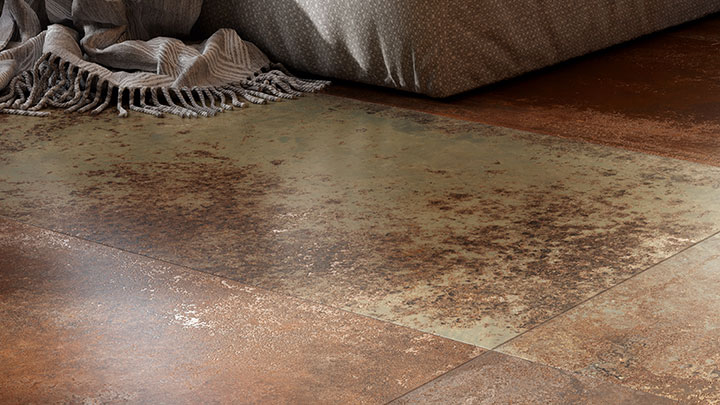
To put it simply, one option isn’t necessarily better than the other, it comes down to your personal preference. Whilst rectified tiles can look more modern with their clean refined and polished aesthetic, non-rectified tiles offer charm, creativity and difference. For example, concrete look tiles deliver an exceptional aesthetic with a thinner grout line whereas our range of subway tiles use the grout lines to create patterns, offering a classic charm to the room.
Browse our range of rectified and non-rectified tiles to find out which one you prefer.
When it comes to installing tiles, it’s always best to contact a professional tile installer. Rectified and non-rectified tiles require different installation processes therefore it’s important to ensure the installer is informed on the style you’re choosing and has the knowledge to achieve what you’re striving for. There’s nothing worse than investing in high quality tiles only for them to be neglected during the installation.
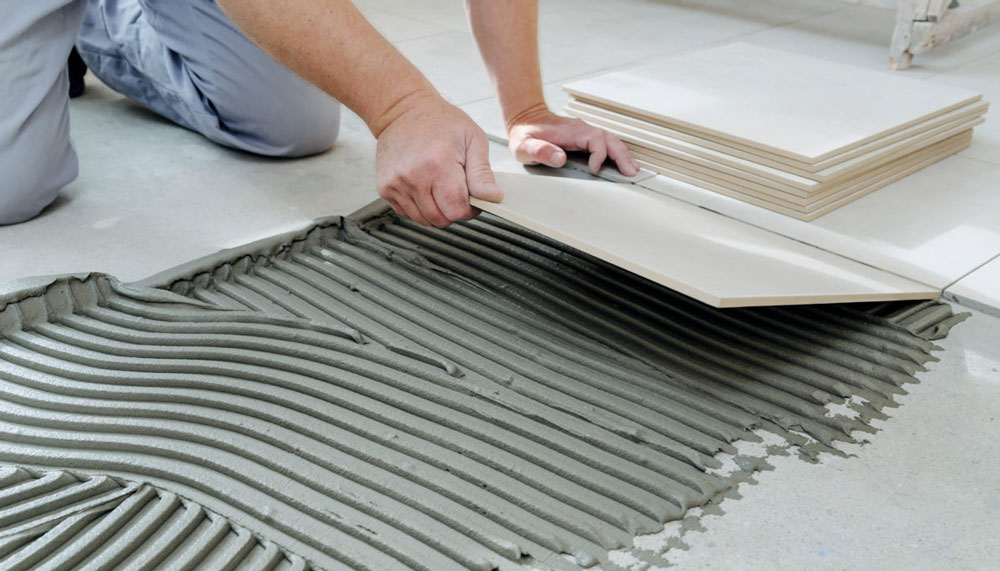
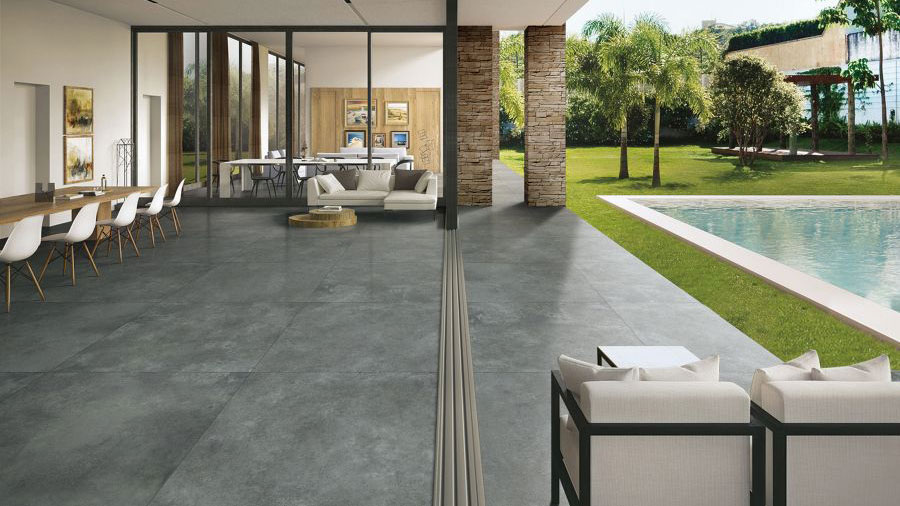
If you’re still unsure of the difference between rectified and non-rectified tiles, we’re here to help. Contact our team today with any questions you may have regarding rectified tiles or tiling in general! Our goal is to make the tile selection process as easy as possible.
500 in stock

Welcome to Ceramic Tile Supplies’ guide to selecting home tiles for your upcoming building project. Here, we’ve comprised important information and frequently asked questions to help you along your home tile selection process. Explore our blog here and if you have further questions, our contact information is below.
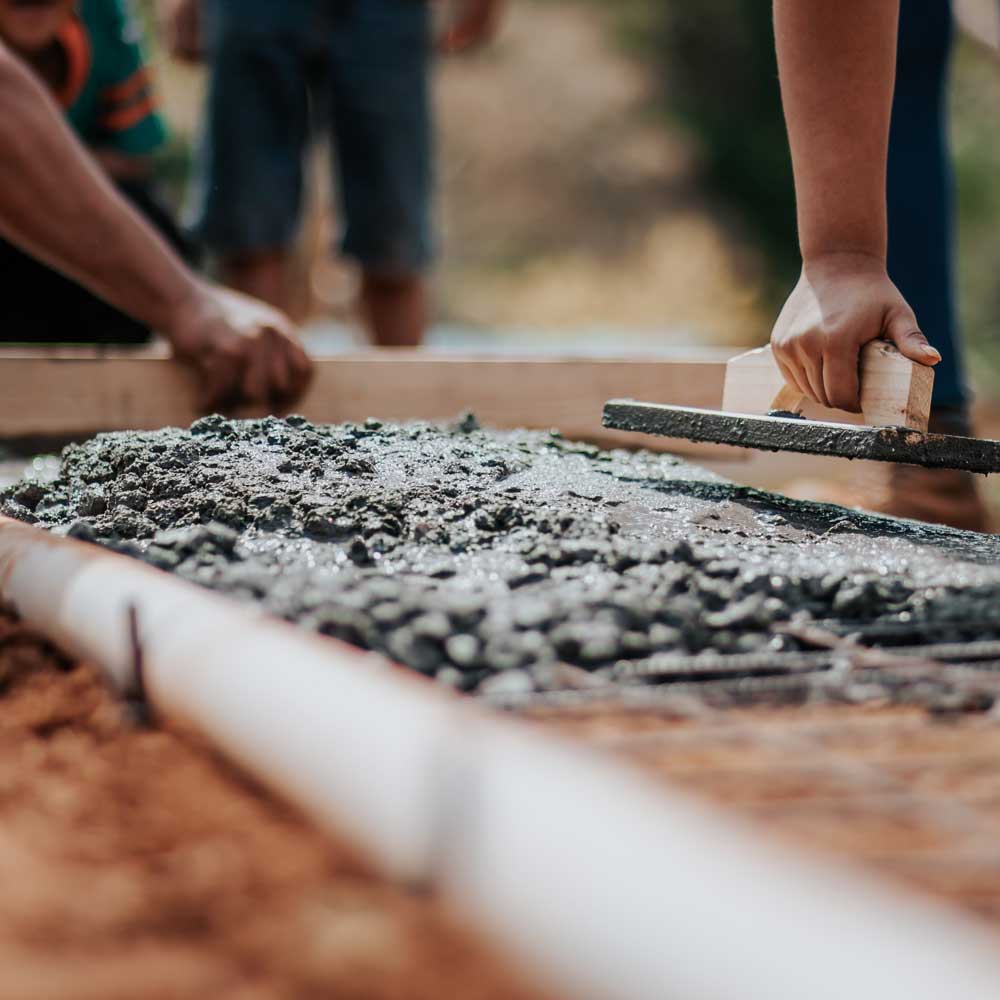
Ceramic Tiles Supplies welcomes appointments and walk-ins. Keep in mind our opening hours and make sure you arrive at our showroom with enough time to explore our offerings. Saturdays are usually our busiest day, if you’re looking to speak with a professional we recommend booking in an appointment.
Opening hours:
Wangara Showroom
8.30am – 5pm (Monday – Friday)
9am – 1pm (Saturday)
Myaree Showroom
9.30am – 4:30pm (Monday – Friday)
9am – 1pm (Saturday)
*Our opening hours differ only slightly. Please take note of each location’s hours to ensure you arrive at the correct time. Note: we’re not open on Sundays.
Absolutely.
We’re here to make the selection process as easy as possible. Our team are experts in tile selection for various interiors and purposes. Whether it’s for swimming pools, kitchen splash backs, bathroom tiles or other residential building areas, restaurants, wash rooms, schools or other commercial purposes – we will help you find a solution at an affordable price.
Regardless of your previous experience with tile selections, our expert team can guide you through the process.
It will depend on the size of your project however, we recommend reserving at least 1 hour for the selection process. You will find that there are a wide variety of options to choose from and it’s best to consider each option to ensure you’re making the best decision. Our team will provide you with numerous options at different price points. This way, you’ll be able to pick a solution that fits perfectly with your requirements.


This will depend on your specific project. However, here are some questions you will want to consider:
Coverage – will you require just a floor tile or will wall tiles, splashbacks and skirting tiles also need to be selected? What size has been allowed for in what areas?
Location – what rooms are you seeking the tiles to cover? Will you need the living area, dining room, bedroom, bathrooms, laundry or even the entire house, including outdoor areas?
Tile Types – what is the allowed for price, this is usually a per m2 price indicated towards a particular size range of tiles? Along with this is the tile allowance rectified or non-rectified? Porcelain or ceramic? Read about Rectified Tiles here.
Pool tiles – are you building a pool and seeking pool tiles? Will you be needing the whole pool tiled or just the pool waterline tiles? Have mosaics or porcelains been allowed for and for what price per m2?
Outdoor/porch area – will you be building an outdoor area that will be in need of tiles? Do you want this to match the main floor? Is there enough sub structure to support standard tiles or will you need to allow for enough time to order in non-slip or 20mm thick tiles?
Try and narrow down what style you are looking for even just down to what colours you are working with before you come. If you need some inspiration see the latest 2022 trends here.
If you have access to any house plans we encourage you to bring them to your tile selection. This will allow us to have a better understanding of sizing and design requirements that are best interpreted through the housing plans. More information the better! Our goal is to help you build your dream home, one tile at a time!
If you’re running short on time, not to worry. We can make a start and pick it up another day or work through your selections via Email or Text. Just keep in mind it is always 100% best to view your tile first hand so you can ensure the correct colour and look.
Ceramic Tile Supplies have two showroom locations in Perth.
Our Myaree showroom is located at:
Unit 1, 70 Norma Road, Myaree, WA 6154
Our Wangara showroom and warehouse is located at:
17 Buckingham Drive, Wangara, WA 6065
Find your nearest showroom for your next visit.
Does your selection keep you up at night? Although our professional team will endeavour to have your selection wrapped up by the time you leave most builders allow One change to their clients selections. This is to stop errors that can occur from the more changes that are made.
Discover more information via our website, in our blog or, give us a call! If you’ve got a question, we’re always happy to answer any and every query that pops up.

500 in stock
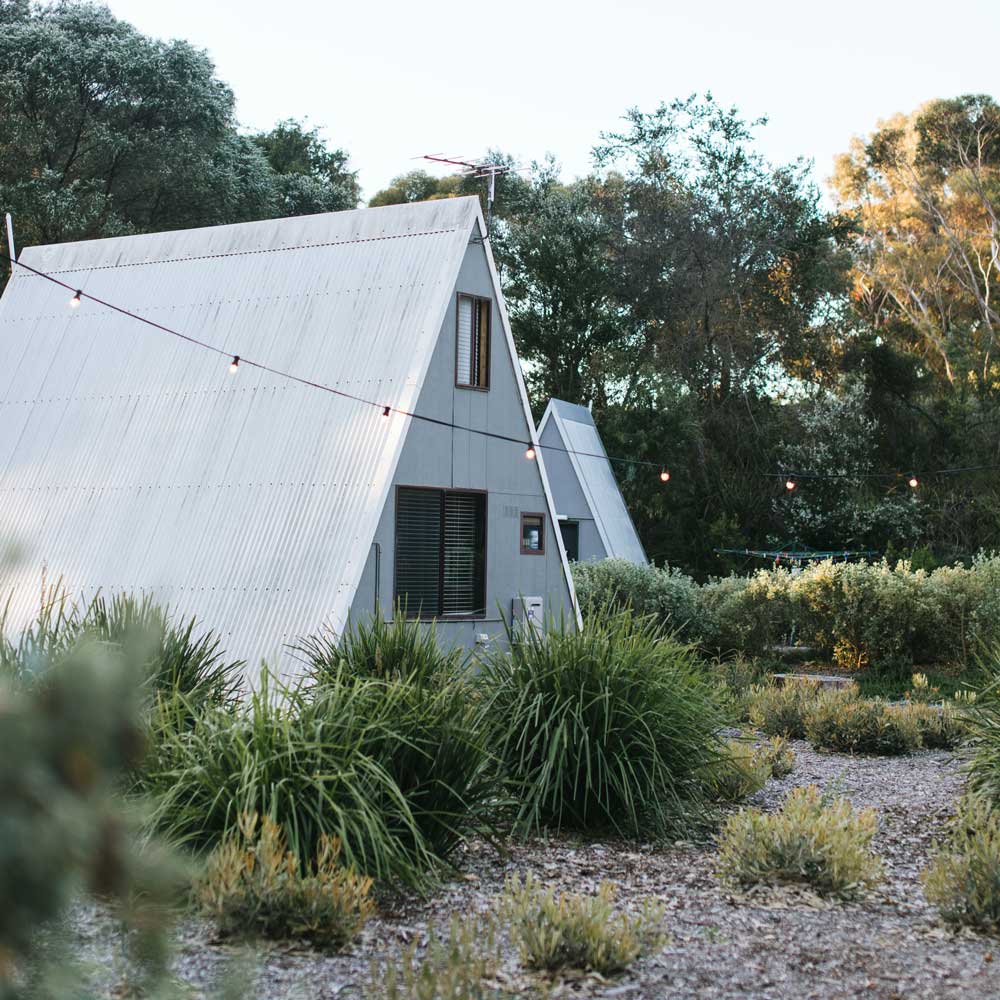
Here, we unpack the hottest and most innovative tile trends that continue to shape interior design in Australian homes.
Across Western Australia, home renovations are booming — fuelled by design inspiration, lifestyle upgrades, and an increased focus on personal spaces. When you’re spending more time at home, it makes sense to invest in how it looks and feels. Many Australians are updating their kitchens, bathrooms, and dining areas to reflect evolving tiles that combine timeless elegance with a modern edge.
When designing your home, it’s important to keep a close eye on tile trends. Unlike fleeting fads, tiles often define a home’s style for years. When you choose high‑quality materials that are professionally installed, tiles add lasting sophistication and class to any room.
Our design team has compiled data and insights on the tile trends taking the forefront in home design today. Read on and find your favourites — your future home starts here.
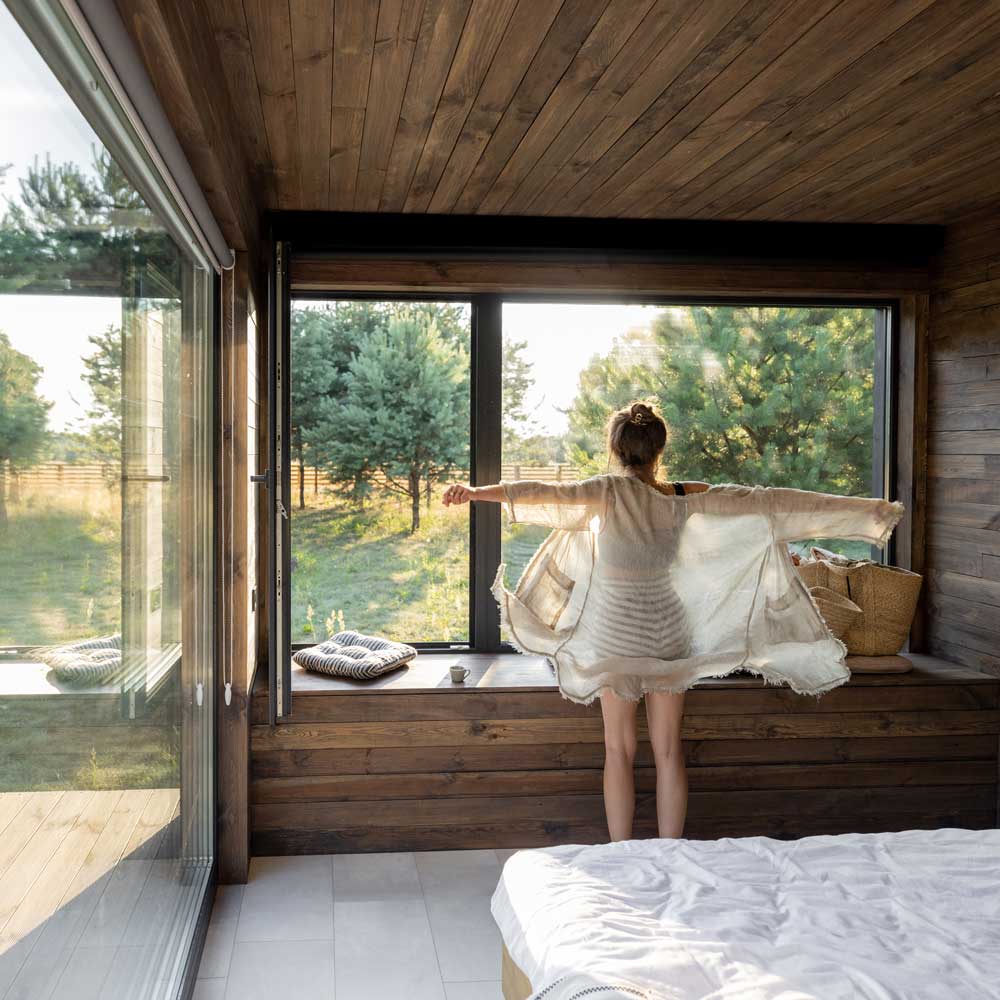
Imagine this – timber floors, white marble features, big open windows, and the scent of something baking in the oven. Farmhouse aesthetics continue to impress, delivering a sense of warmth and nostalgia. Scandinavian design influences can be seen in the clean lines, white marble finishes, and minimalist centrepieces that bring freshness to this timeless look.
Choosing tiles to achieve a Scandinavian farmhouse style is an exciting part of the process. Ceramic Tile Supplies recommends Rhombus White Gloss for a contemporary bathroom, Gloss Grey for a stylish kitchen splashback, or the beautiful Two Tone Solid Mint Glossy for a hint of colour that stands out. These trending tiles design examples balance rustic charm and contemporary finesse.
Complete the look with green plants, timber furniture, and textured fabrics like brown and grey linens. The result? A space that feels organic, homely, and beautifully aligned with today’s tile trends.
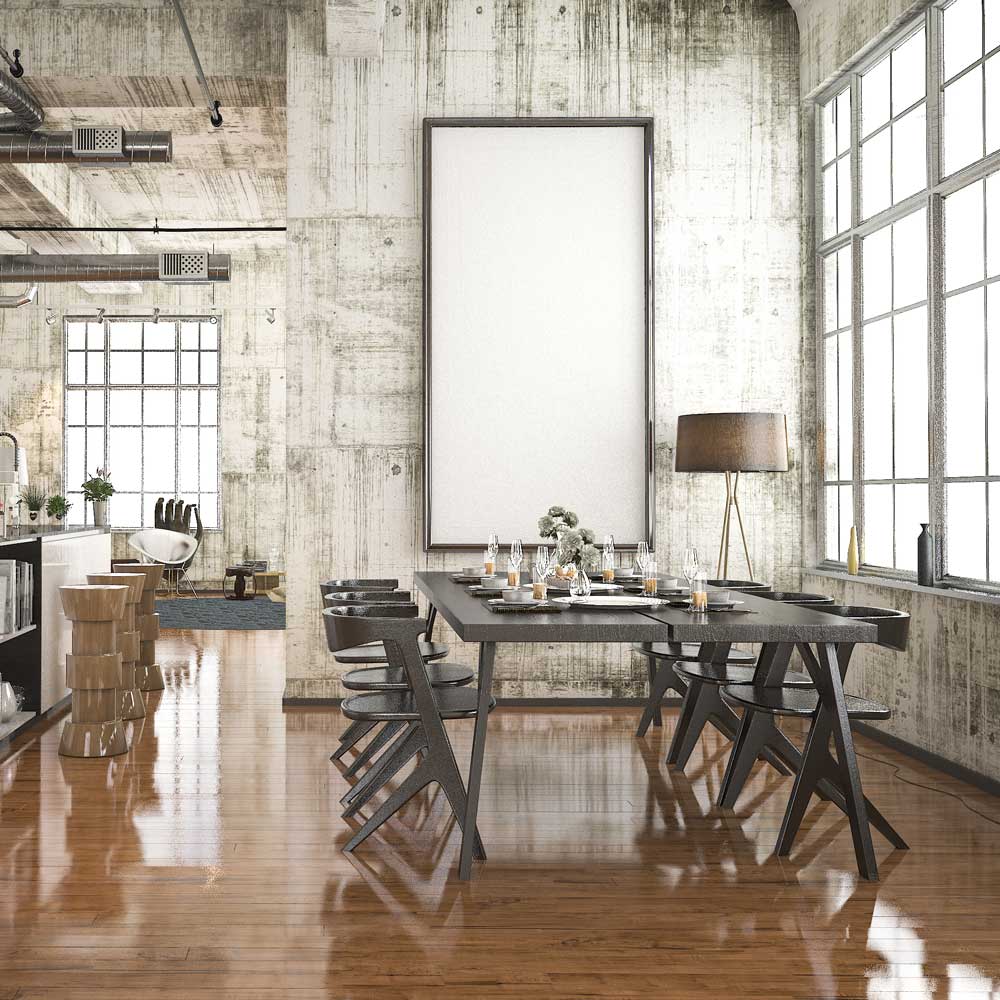
Funky, rule‑breaking, and richly textured — industrial design nods to vintage warehouses while embracing today’s modern tiles that define luxury and personality. Distressed wood and brick meet the elegance of ceramic or marble surfaces, creating interiors that feel confident and refined.
To achieve this look, balance raw materials with polished touches. Exposed brick walls, rustic shelving, and industrial lighting blend naturally with tiles that complement and contrast. Experiment with shade, texture, and finish — tile trends like matte charcoal, stone effects, and soft neutral hues elevate the industrial look to something truly striking.
For example, try Melt Oxide or Shade D Impressions for a bold character, or Homestone Charcoal and Homestone Ivory for a minimalist concrete effect. These options fit right into trending tiles design concepts seen in stylish homes across Australia.
Finish the space with warm blankets, antique accents, and modern metallic fixtures for a harmonious industrial chic finish.
In Australia, we love our beaches. Even if you don’t swim, there’s something about warm sand and sea breezes that instantly relaxes you. It’s no surprise coastal aesthetics are making big waves in Australian homes and inspiring fresh tile trends that celebrate simplicity and calm.
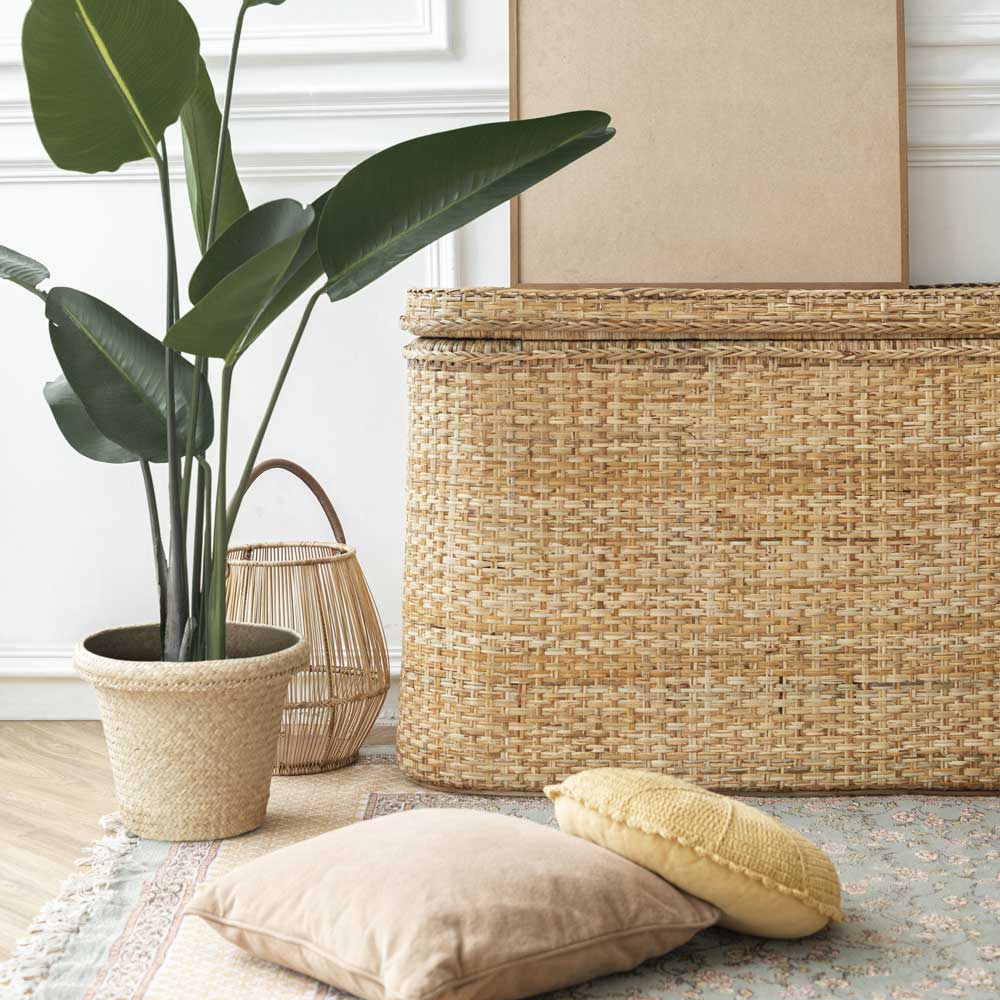
Coastal aesthetics often incorporate cane, wicker, and rattan furniture and highlight colours of beige, sand, white, and cream. Walking into a home styled this way feels light, natural, and refreshing — yet full of personal touches that bring warmth.
Tiles play an important role in this aesthetic, especially for kitchens, where the tiled floors and splashbacks act as the room’s centerpiece. To maintain that airy feeling, white or beige designs complete your coastal kitchen beautifully.
Floor tiles we recommend include our Shoreline Bianco and Dekton Natural. These add sophistication with a relaxed, beachy vibe at the heart of modern tiles design.
For kitchen splashbacks, explore subway patterns like our Carra Honed Herringbone Mosaic, or keep it classic with our White Mosaic. These options capture the current tile trends while giving you room for creativity.
Pair your tiles with rattan furniture, white marble benches, and a brass sink and tap to finish off your coastal retreat with effortless style and timeless appeal.
Choosing your tiles is an important decision to build the aesthetic of your home. If you’re unsure which styles to choose, speak to our team of tile specialists. Our team hold immense knowledge on both the practicality and design of tiles. If you’re looking to complete a specific style for your home, our team are here to help.
We look forward to creating your dream home.
500 in stock
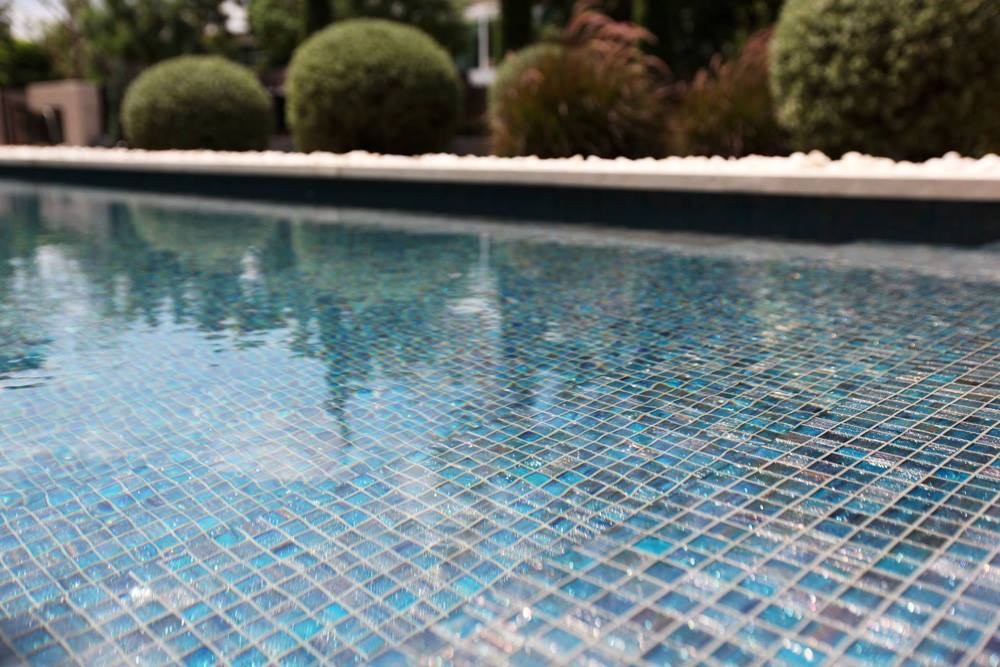
Perth’s Summer weather is here, which means lots of time spent outside, taking dips in the pool and afternoons lounging about on the outdoor tiles. Before the fun begins, it’s important to assess your swimming pool tiles, whether they be on your waterline, external to the pool or the entire shell of the swimming pool, and ensure they’re safe and ready for activities. If you have a pool it’s important to make sure the area is safe for all members of the family. Read further to learn about safe pool tiles and what to do if you need a repair.

Pool tiles not only make for an aesthetic centrepiece for your outdoor area, but they also provide an important protective base for your swimming enjoyment. When you’re playing Marco-Polo in the pool, you want to feel safe and easy moving around the pool rather than worried you’re going to be cut by a displaced pool tile.
Before the game of Marco-Polo begins, have a close look at your pool’s tiles to check whether there are any cracked or chipped tiles or any have fallen off completely. Depending on how the pool tiles were laid when you first put the tiles in, will greatly impact their longevity. If the pool tiles were installed by someone who’s not familiar with the correct laying process, there are lots of problems that can arise.
If you’ve found any imperfections in your pool’s tiles you might want to consider repairs. We recommend reaching out to a professional who can help you with your pool tile damage. Although it can be tempting installing pool tiles yourself, there are many obstacles that only professionals are experienced with. For example, when pool tiles come off cleanly, many home handy persons are quick to apply new pool tiles to the previous substrate. However, the substrate (although might look perfectly fine) is an old layer that’s not suitable for tile application.
Here at Ceramic Tile Supplies Perth, we specialise in supplying tiles as well as connecting you with qualified and experienced tilers. If you’ve previously purchased pool tiles from us before you will know how thorough our services are. If you’re yet to work with our team here at Ceramic Tile Supplies Perth then we’re very happy to assist you with your current tile needs.
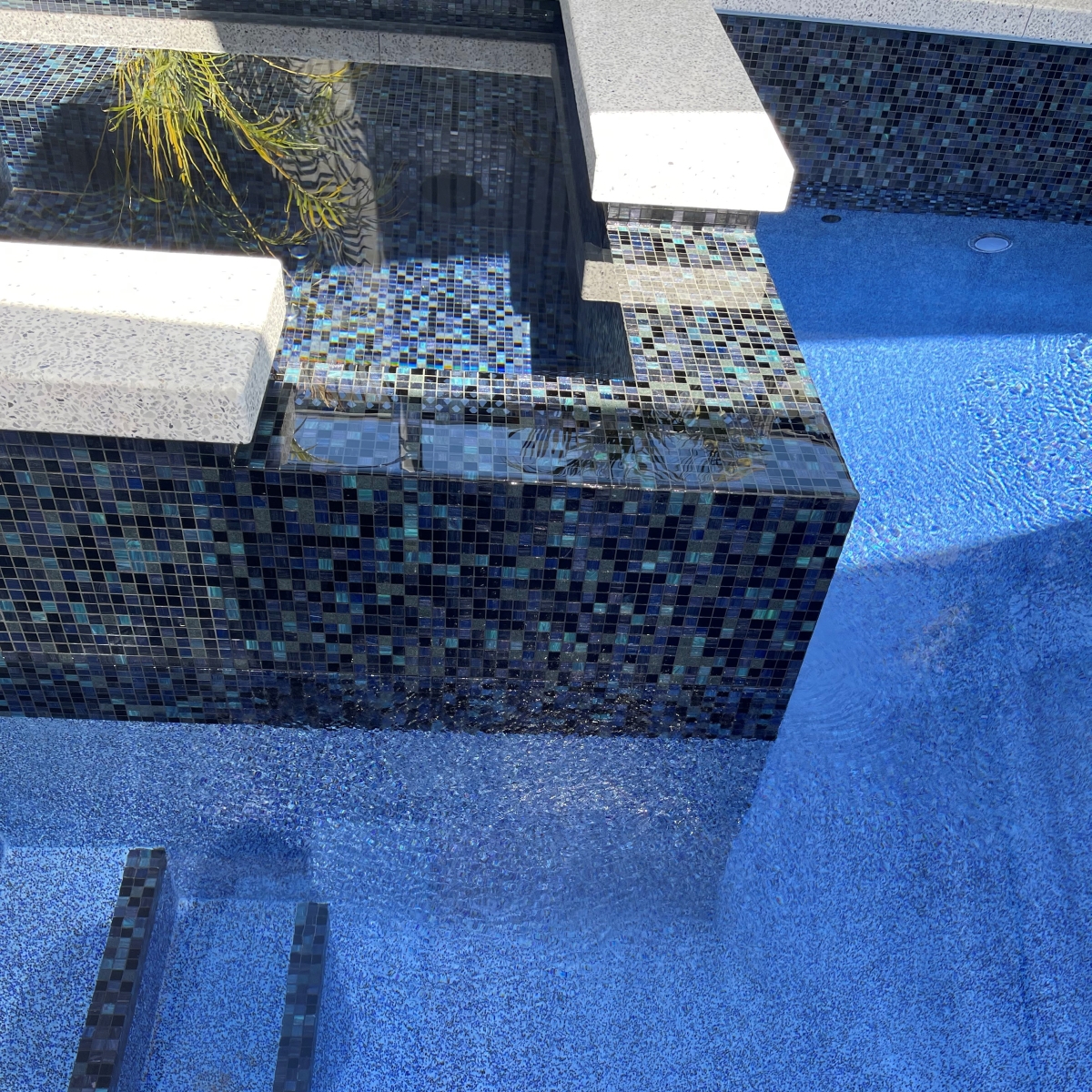
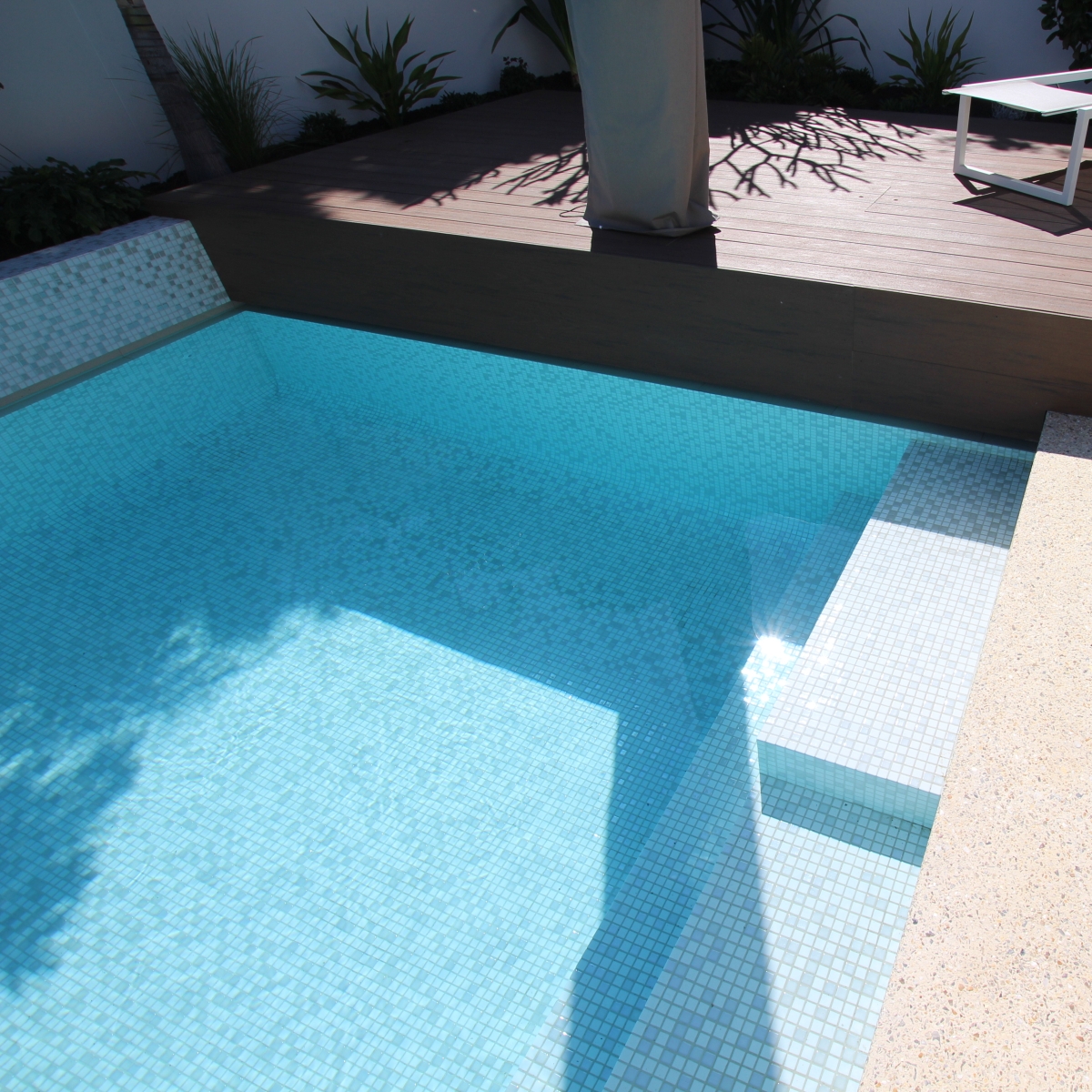
The best way to prevent swimming pool tile damage is to have your pool tiles professionally installed from the beginning. Having high quality pool tiles installed by an experienced team, eliminates many issues that can arise in the future. Once the pool tiles have been installed incorrectly, it’s a challenge to revive the quality.
Not any tile can be used in a pool, swimming pool tiles can include glass natural stone, porcelain and low water absorption ceramic tiles. These tiles have the strength and durability to withstand pool water and general swimming activities.
If you’ve discovered you need to replace your swimming pool tiles, not to worry, we’re here to help. Ceramic Tile Supplies Perth offers a wide range of pool tiles to choose from at affordable prices. We work closely with tilers and experienced workers to ensure our clients get the best service. We’re here to make the process as easy and enjoyable as possible. Get in contact with our Perth tile team today: (08) 9317 4200 (Myaree), (08) 9409 9311 (Wangara).
500 in stock