AIzaSyCx0PM-3N_RmbMTt2SRm-GX9AD-tAsfpC8 Skip to main content
Category

DIY

How to Create a Spa-Like Bathroom with Tiles in Perth 1

How to Create a Spa-Like Bathroom with Tiles in Perth

By General, Bathroom Tiles, DIY, Subway Tiles, Tile Installation, Tile Maintenance, Tile Selection, Timber Look Tiles, TrendsNo Comments

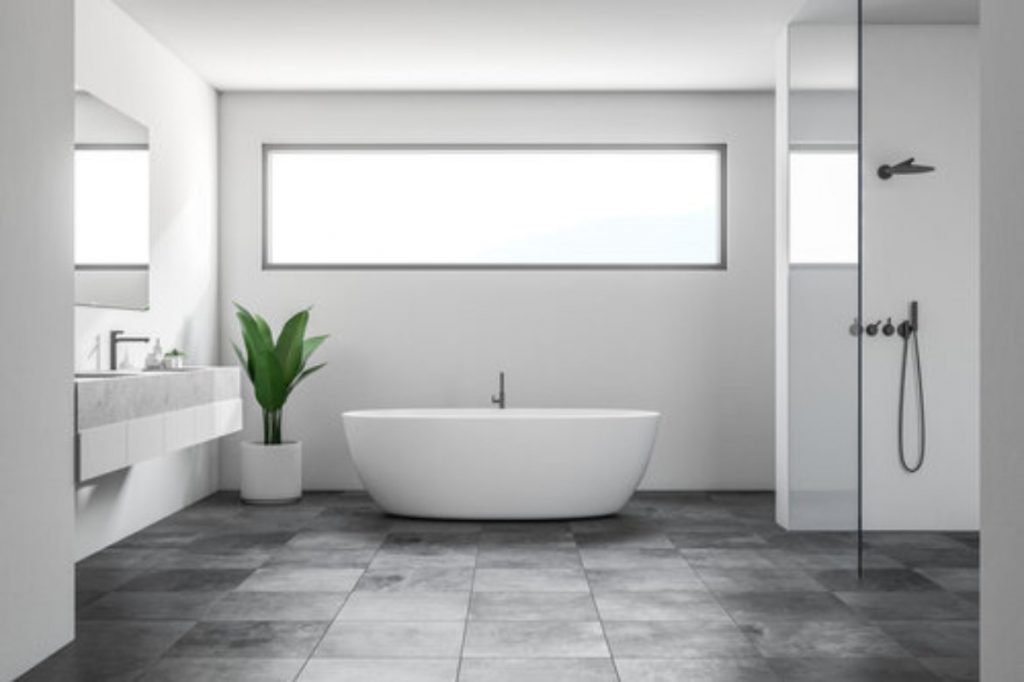
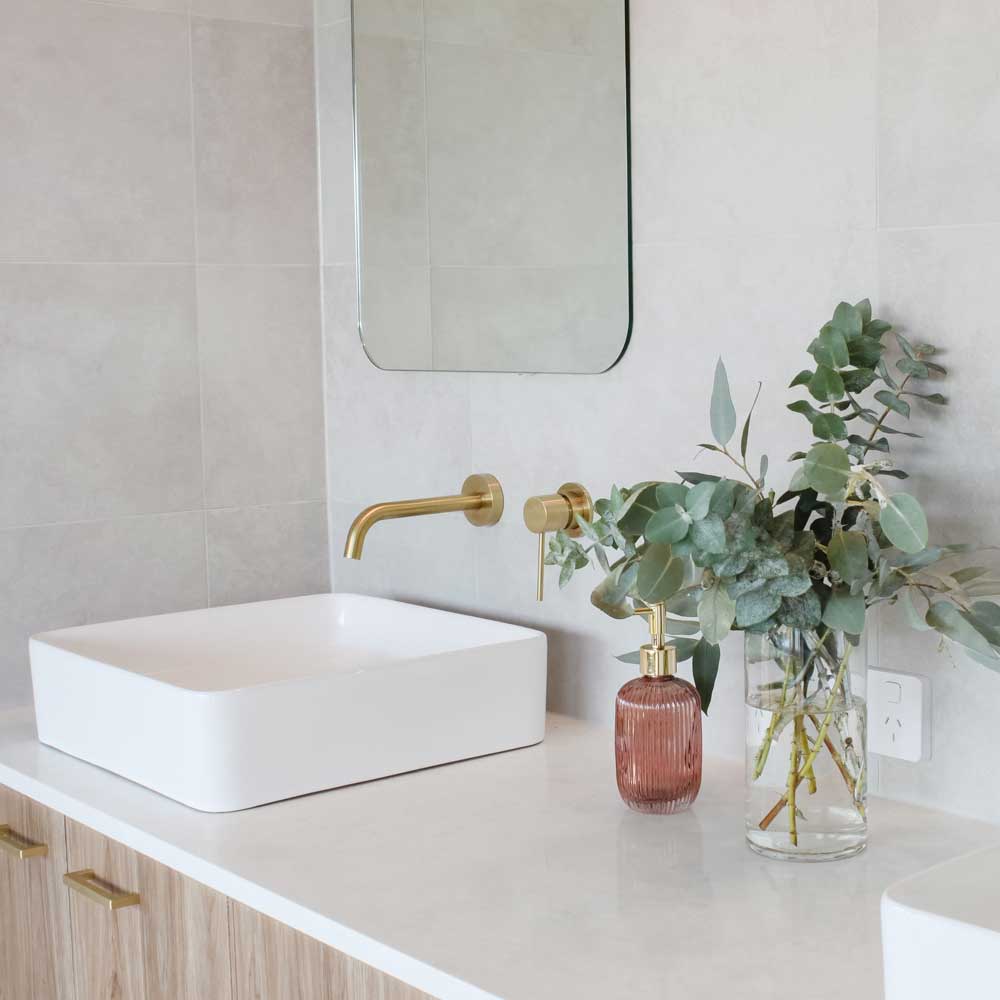
Many people want their bathroom to feel as though it should evoke a sense of calm, tranquillity and be reflective of a space like a Spa, where relaxation and wellness are encouraged. Through the use of bathroom tiles with colour, selection, layout and interior design choices, your bathroom can become a tranquil sanctuary in your home designed for everyday use.

Create a Spa-Like Bathroom: Choosing the colour palette of your tiles

To create a calm, welcoming and relaxing atmosphere, spas tend to favour neutral and natural colours. With tones like whites, beiges, blues, greens, light greys, and soft, earthy tones, they create a soothing, tranquil space that lowers stress and anxiety levels to make guests feel peaceful and relaxed.

While the primary colours should be calming, you can use accent colours like a soft yellow or even a subtle red to add vibrancy and visual interest without overwhelming the senses. These contrasts can also add a sense of luxury, mimicking high-end spas and wellness centres.

Always ensure your colour palette is reflective of the energy you want your spa-like bathroom to convey. When paired with different tile textures, layouts and placements, make sure the colours you pick work together, blending seamlessly to create a sanctuary for peace and rejuvenation.

Create a Spa-Like Bathroom: choosing the right tiles

When choosing tiles for your spa-like bathrooms, the array of choices available can feel overwhelming. With multiple shapes, colours, textures and finishes available, it can be hard to find the right combination to create the space you envision. However, there are a few options that are most commonly used and recommended to create a space that truly conveys a spa-like atmosphere.

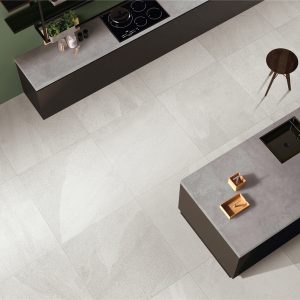
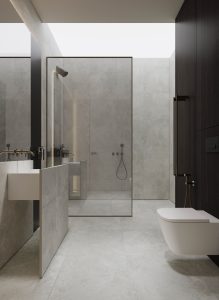
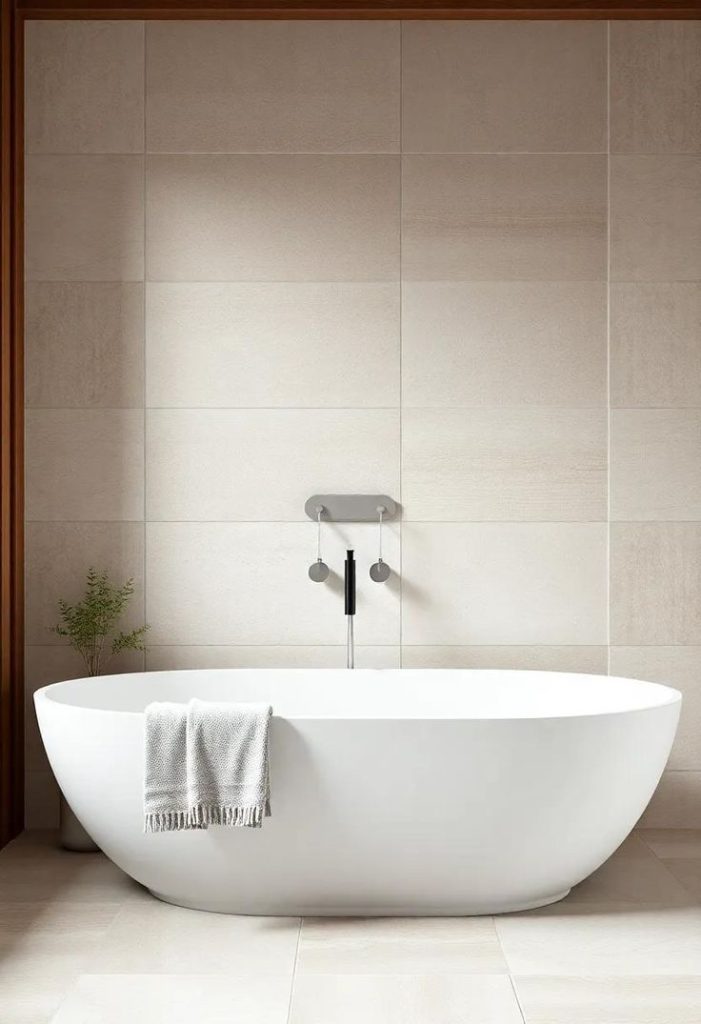
Large Format Tiles: These create a sense of spaciousness and reduce grout lines, resulting in a clean and modern aesthetic that is easy on the eyes and makes the room feel more open and vast. At Ceramic Tile Supplies, our Arctic Tundra Range, alongside our Sevilla Range, are excellent options in calming tones and bigger formats.

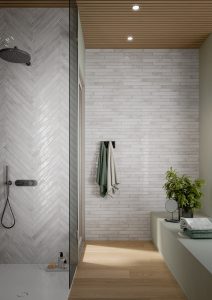
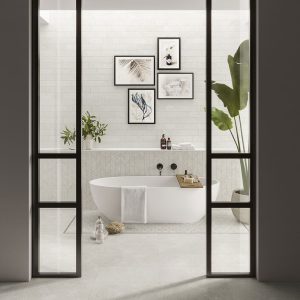
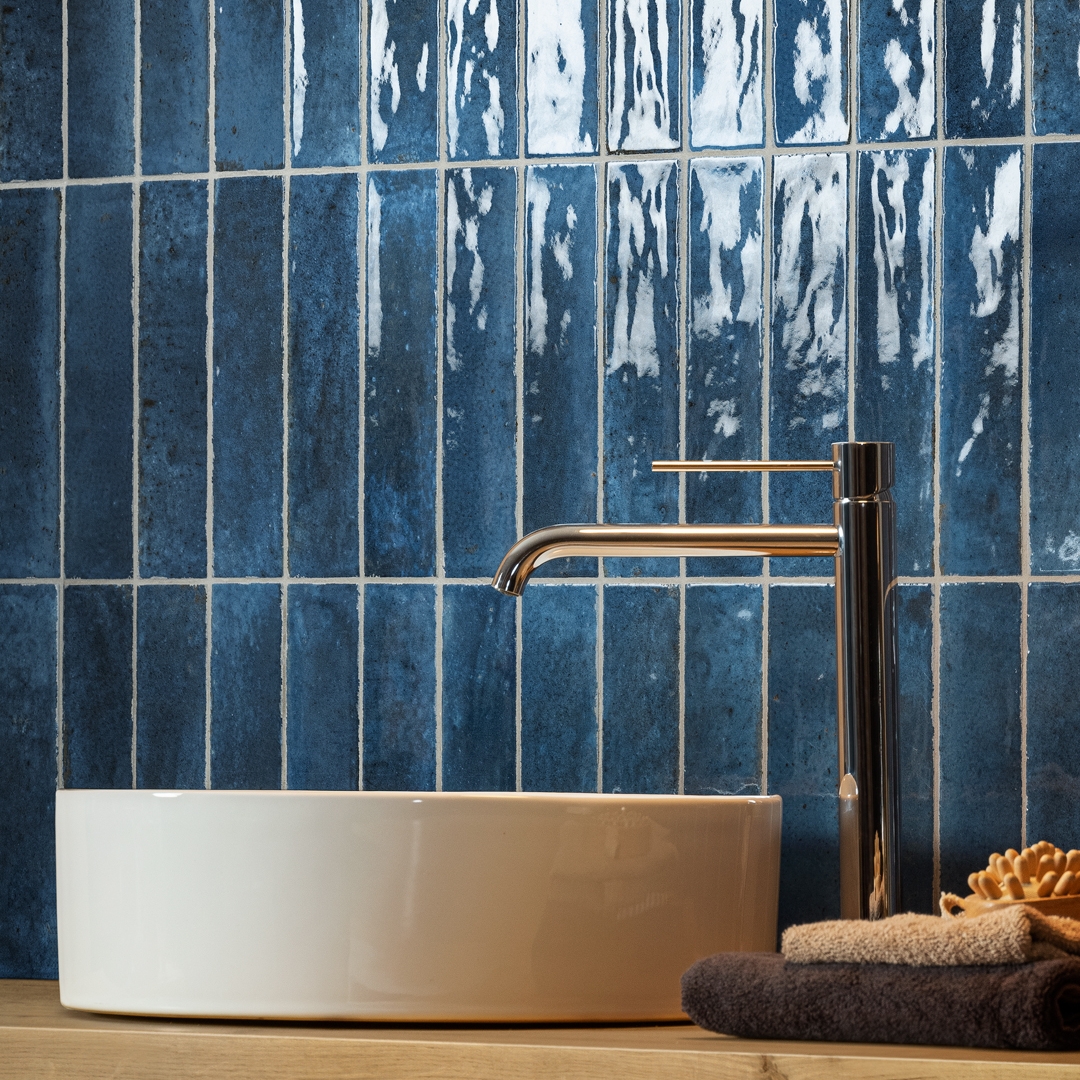
How to Create a Spa-Like Bathroom with Tiles in Perth 2Subway Tiles: Classic and versatile, subway tiles can be used on walls or as borders for a clean and sophisticated look that is uniform and eye-catching. At Ceramic Tile Supplies, our subway tile range includes our best-selling Gloss White Bevell and our Solid Glossy Range that comes in a variety of colours and finishes, perfect for an accent wall or contrast.

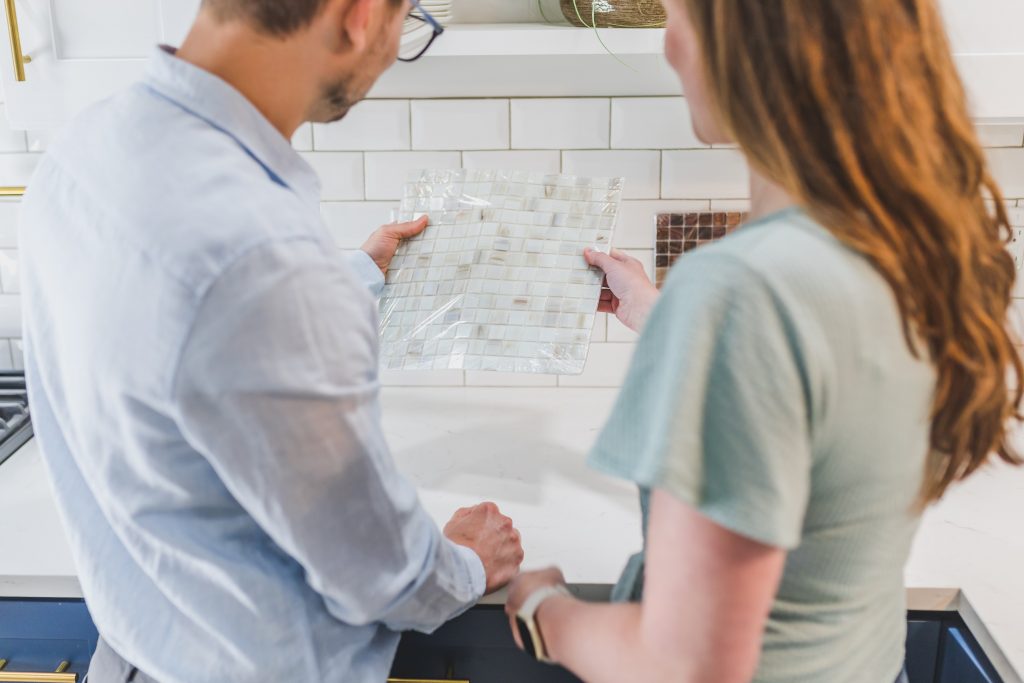
Mosaic Tiles: Mosaic tiles, due to their smaller size and interesting shapes, make for perfect accents across shower walls, vanities and around baths. They can also be utilised to create strong, beautiful feature walls. Choosing shapes that are symmetrical and allow for soothing patterns, such as circles, rectangles, and squares, best creates a tranquil space. At Ceramic Tile Supplies, our Penny-Round Satin Glazed Mosaics are perfect for flooring, whilst our Crystal Green Stack Bond Tiles make for a beautiful contrasting feature or accents in a gorgeous, calming ocean-like colour.

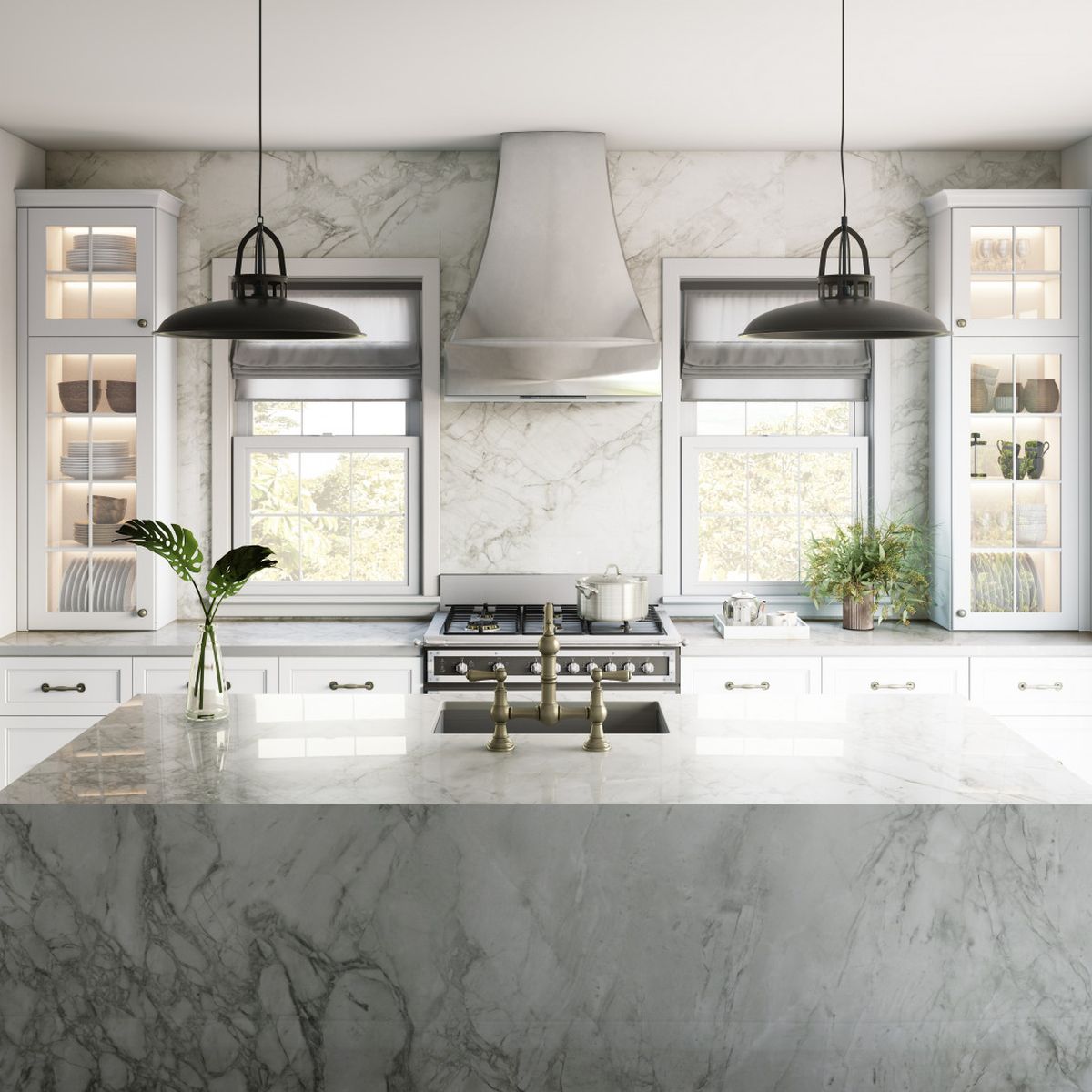
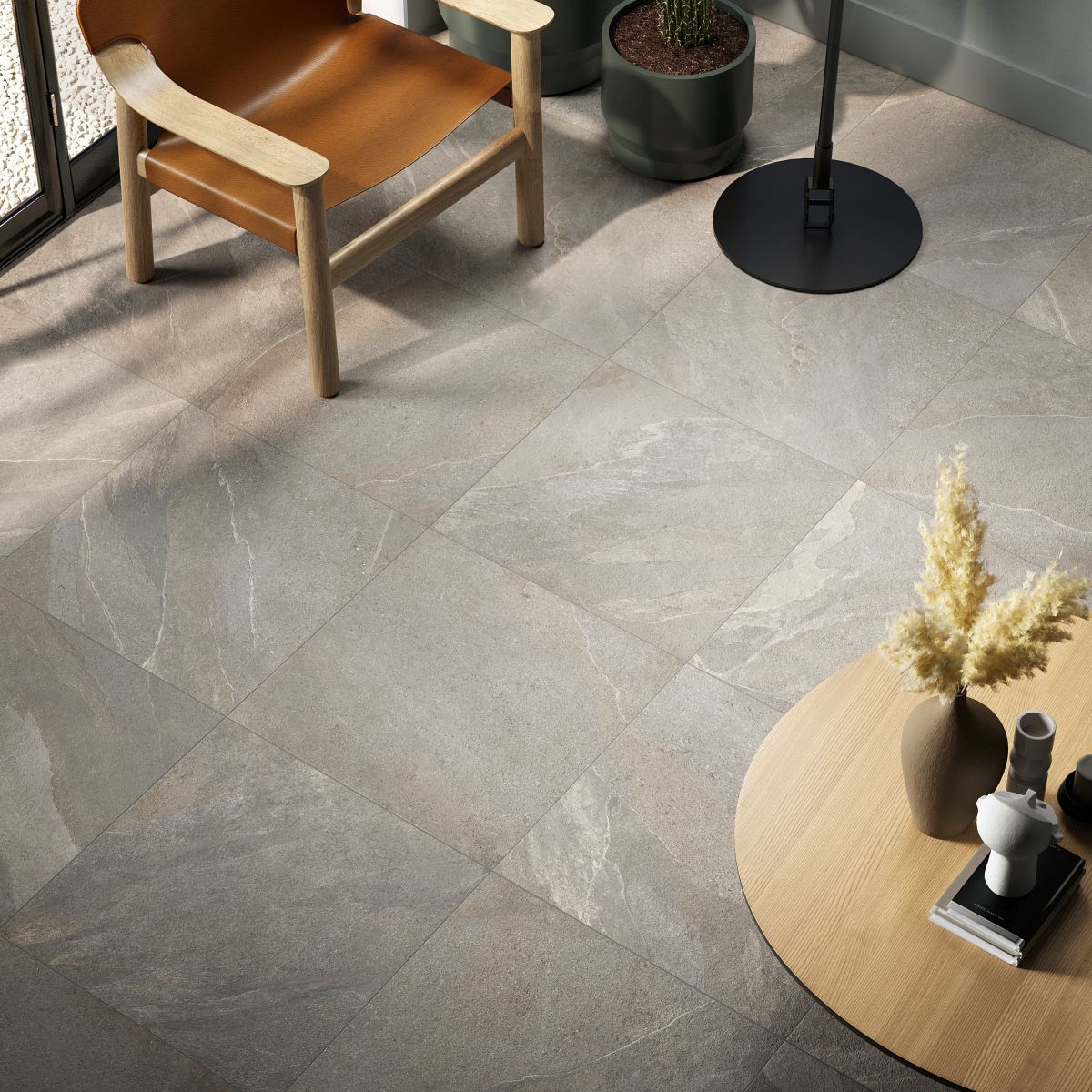
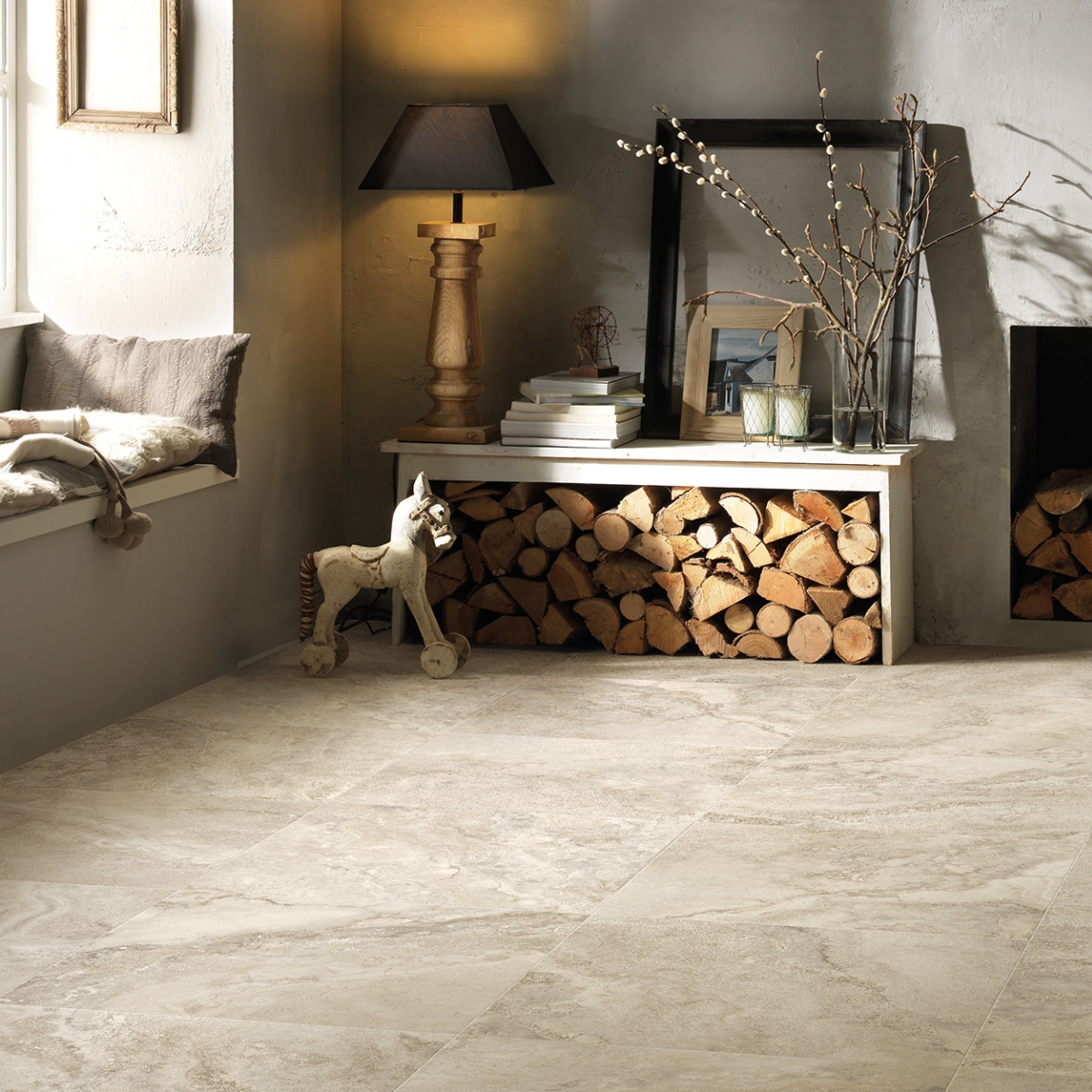
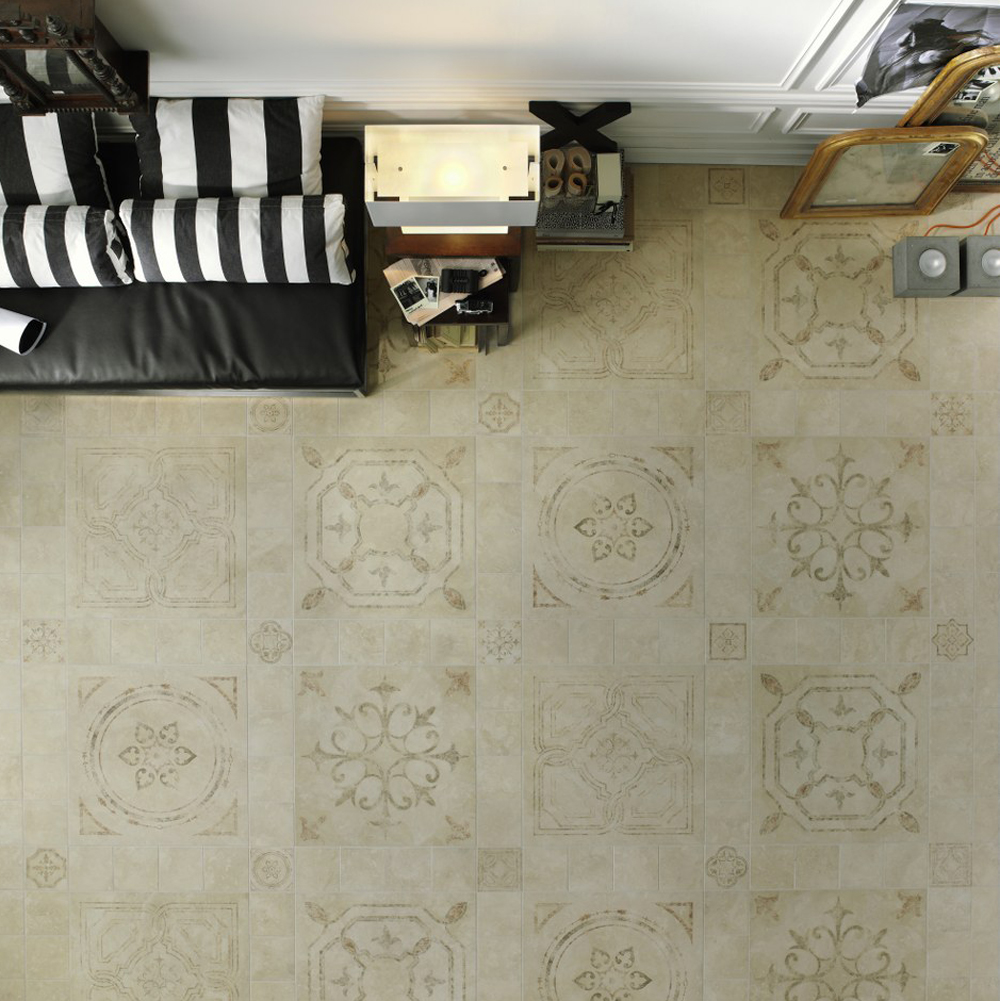
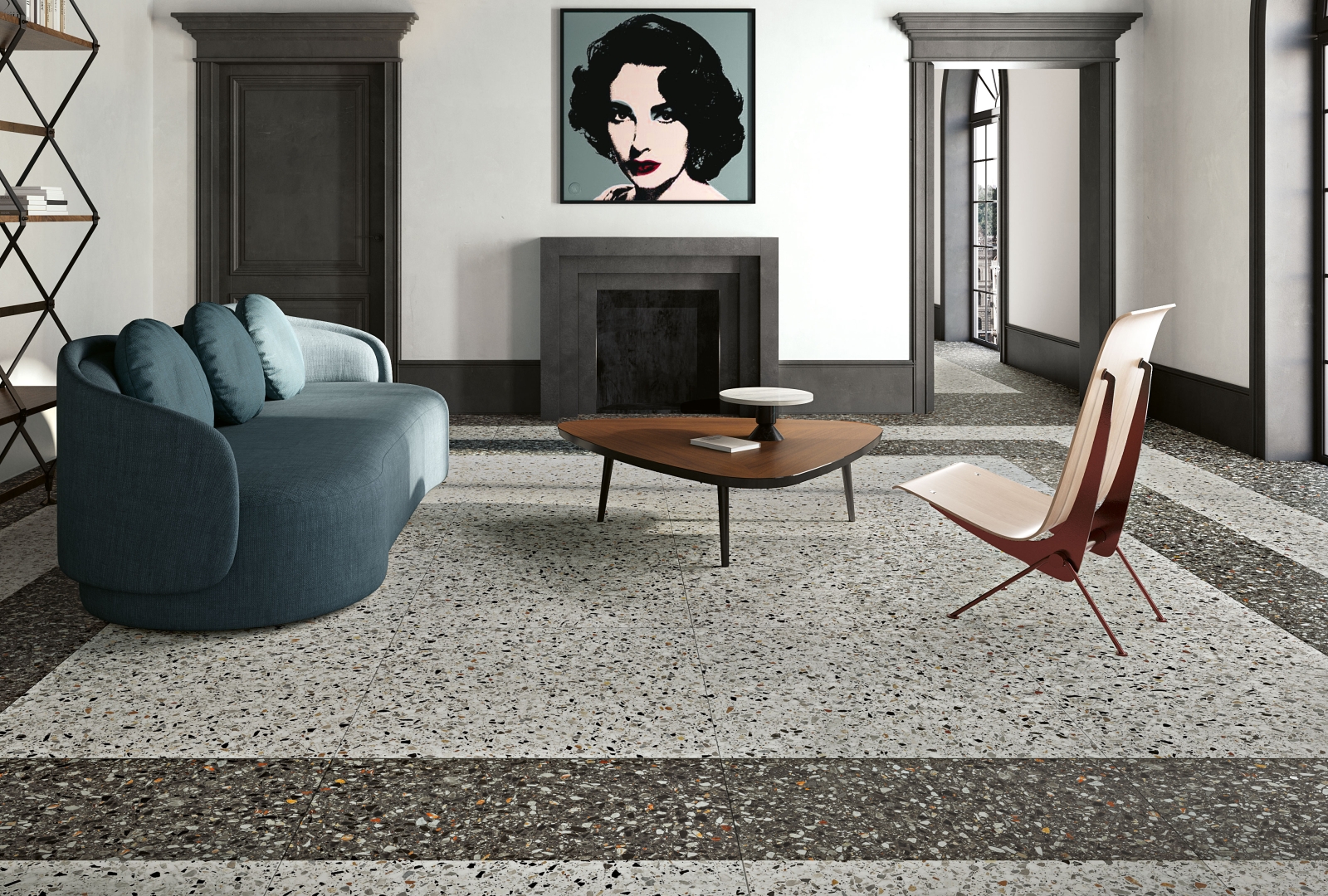
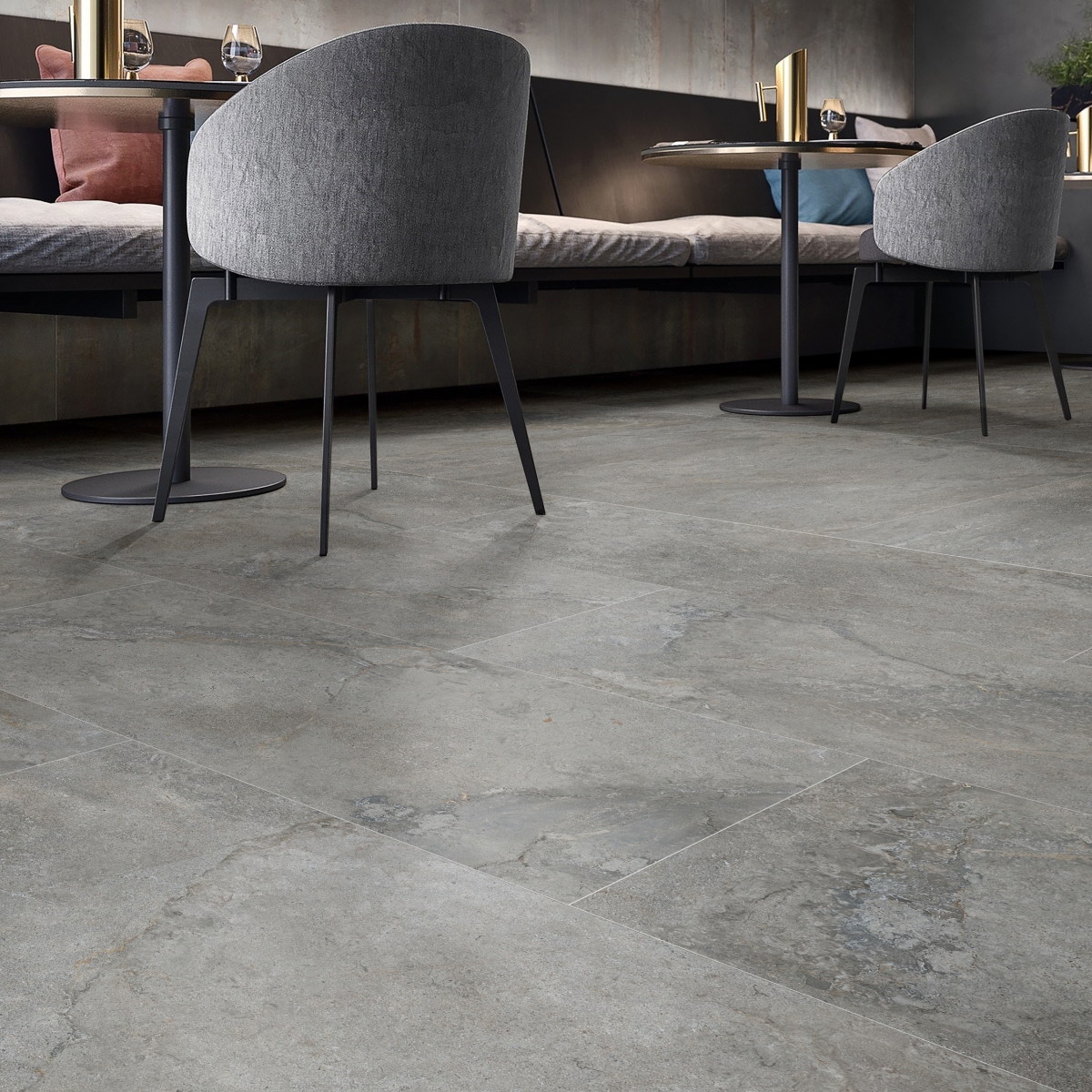
Stone-Look Tiles: Porcelain tiles that mimic natural stone (marble, travertine, slate) offer durability and a luxurious spa feel, rooted in realistic textures and visuals. At Ceramic Tile Supplies, our Dawn Range and our Blossom Range can bring a beautiful stone feel to your home spa.

Wood-Look Tiles: Warm and inviting, wood-look tiles create a relaxing and natural ambience that will draw you to root in nature, calm and restoration. At Ceramic Tile Supplies, our Supergres and MyWood Tiles are perfect wood look tiles, coming in a wide range of colours and styles from timber to whitewashed wood.

Decor and lighting

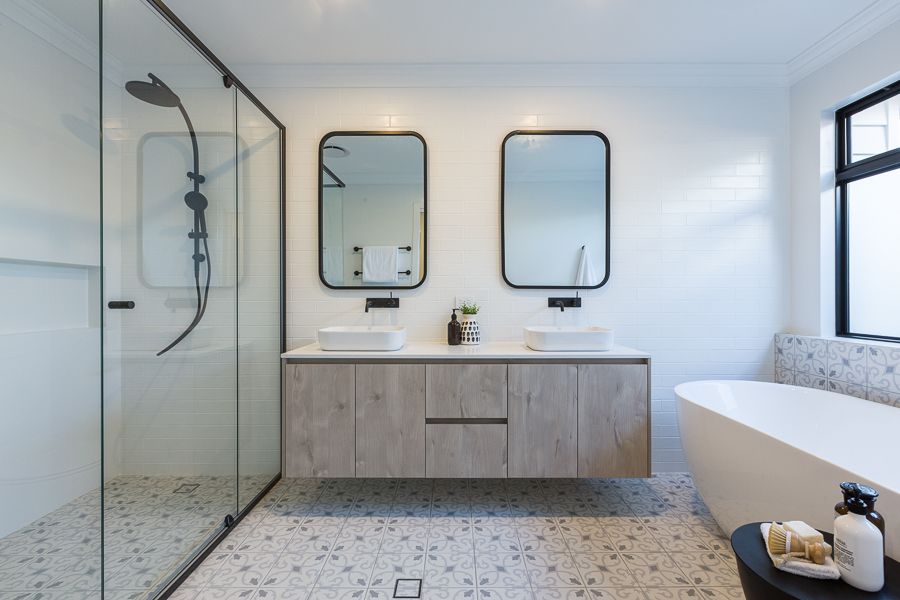
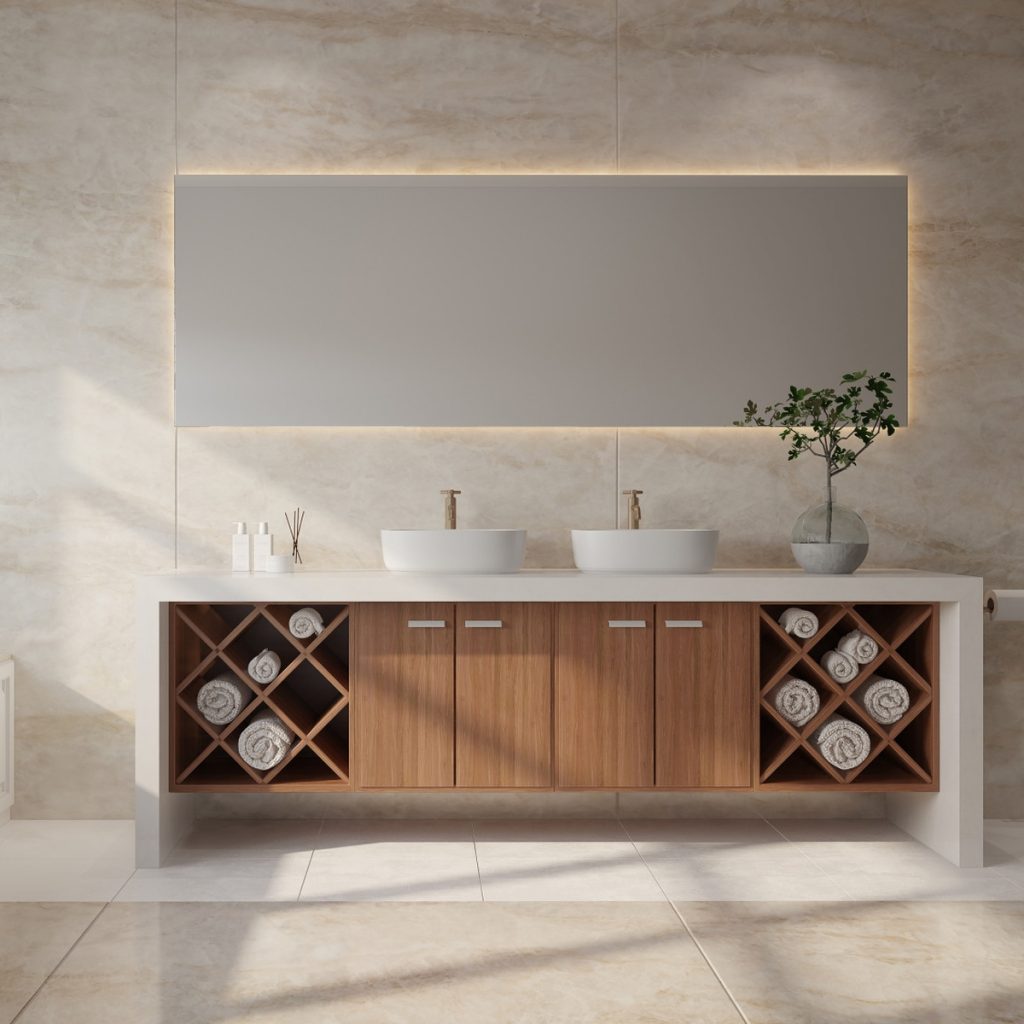
For final touches, adding a splash of greenery can make all the difference – think lush potted plants, trailing hanging baskets or even a statement vertical garden to bring a calming, natural vibe into your spa-inspired space. Natural materials work beautifully here, too. Timber vanities, open shelving or a bench seat in the shower instantly add warmth, while stone-look tiles or a pebble shower floor give you that genuine spa feel without leaving home.

How to Create a Spa-Like Bathroom with Tiles in Perth 3

When it comes to lighting, aim for a layered approach. Ambient lighting from the ceiling sets the overall mood, task lighting around the vanity ensures practicality, and accent lighting – like soft wall sconces — creates a cosy, inviting atmosphere perfect for unwinding.

Create your spa-like bathroom with Ceramic Tile Supplies.

There are countless ways to personalise your bathroom decor to make it feel and look like a premium spa. With a very diverse range of tile options available, you can mix and match colours, shapes, patterns, and textures to blend or contrast.

At Ceramic Tile Supplies, we provide an extensive selection of tiles, giving you plenty of options to choose from. Our expert team is here to help you realise the Spa-like bathroom of your dreams.

Get in contact with our team today.


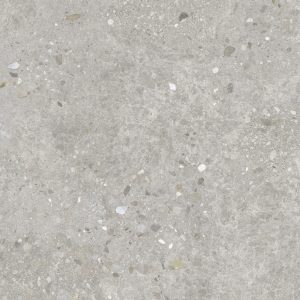
Grifths StoneValley GREY Tile

A comparison of different floor tile materials and their durability

By General, Porcelain Tiles, Tile Selection, Timber Look Tiles

When shopping for floor tiles, one of the biggest factors to consider is the tile’s durability. Not all floor tiles are created equal, and some materials are more durable than others. Depending on where you’re installing your tiles you might need floor tiles with higher durability. 

In this blog, we will compare the durability of different floor tile materials we provide at Ceramic Tile Supplies and offer useful information that will help you make your final decision. If you have any questions along the way, contact our team and we will be happy to help you.

Ceramic Tiles

Ceramic tiles are a popular choice for flooring due to their durability and affordability. They are made from clay and other natural materials that are fired at high temperatures. Ceramic tiles are strong and scratch-resistant, making them ideal for high-traffic areas such as kitchens and hallways.


Although many people mix-up ceramic and porcelain tiles, they are in fact different materials that hold different benefits. Ceramic tiles are considerably less dense than porcelain tiles, which makes them easier to cut into different shapes and sizes; however, it means they’re also less durable than porcelain tiles. If faced with heavy impact, ceramic tiles can chip/break, which can deter customers from choosing ceramic tiles.

To increase the durability of ceramic tiles, choose a ceramic glaze for your tiles. This is a thin layer of material that can be applied to a porcelain and/or ceramic object to give it a protective layer. Glazed ceramic tiles are a great option for all areas from indoor spaces such as bathroom floors and kitchen splashbacks, to outdoor areas where slip resistance is required.

Bathroom Ceramic Tiles
Porcelain Tiles

Porcelain Tiles

Porcelain tiles are denser and therefore more durable than ceramic tiles. They are fired at a higher temperature than ceramic tiles, which gives them a tougher and heavier surface to withstand heavy impact. Porcelain tiles are highly resistant to scratches, corrosive liquids and general wear and tear, making them an ideal choice for high-traffic areas such as commercial buildings and outdoor areas.


Additionally, porcelain tiles are also impervious to water, making them ideal for installation in wet areas such as bathrooms and around swimming pools. They are also highly resistant to heat, so they can be used in spaces with fireplaces and stoves. 


Due to this higher durability, porcelain tiles are generally more expensive than ceramic tiles. Although you will face a higher cost initially, you can expect a longer lifespan, making them a worthwhile investment.

In recent years, thin porcelain tiles emerged in the market, which offers the tough surface of porcelain tiles yet, at a lower density. Thin porcelain tiles offer a minimal thickness of between 3 – 8mm (previously, thickness was 10 – 12mm) and often range from 750mm – 1000mm wide and up to 3 meters in length. Unlike traditional porcelain tiles, thin porcelain tiles can easily be cut into different shapes and sizes to fit your design. 

Timber Flooring

Timber is a much-loved material in Australia, with one of the most popular ways to incorporate timber is using timber for your flooring. Offering an eye-grabbing warmth of colour to the room whilst also providing comfortable underfoot, natural insulation and durability—timber flooring is a great option for your floor tiles. 

Although timber flooring entices designers with their visuals, they’re not always the best choice for all homeowners. Natural wood flooring is expensive, requires regular maintenance (sanding, staining and waxing), can fade over time and are not recommended for wet areas. Ensure to consider the use of the space before you decide to install timber flooring.

Timber Wooden Tile
A comparison of different floor tile materials and their durability 4

Timber-Look Tiles

Another option for timber flooring is choosing timber look tiles. These are tiles that visually look like timber however, are made of other materials. 

With incredible advancements in technology, timber look tiles can appear almost identical to timber flooring, with added benefits that timber flooring lacks. For example, timber look tiles are more affordable, hard-wearing, water resistant, heat proof, easy to clean and require little maintenance. If you’re looking for an alternative to timber flooring, choosing timber look tiles is a no-brainer.

Stone-Look Tiles

Similar to timber-look tiles, stone-look tiles replicate natural surfaces in a hard-wearing, water resistant and more affordable tile material (porcelain, ceramic and classic travertine – honed and filled). From limestone, clay, marble, rock surfaces and more—all stones can be replicated into stone-look tiles.

Stone-look tiles require little upkeep, offer great insulation and never go out of style. If you’re looking to achieve a modern aesthetic whilst accommodating a high foot traffic space, stone look tiles are an ideal choice of tile for your needs.

A comparison of different floor tile materials and their durability 5
Travertine Tiles

Travertine Tiles

Travertine is a very durable and heavy type of natural limestone made from mineral deposits from natural springs. Travertine tiles are appealing with their organic surface and striking appearance featuring naturally formed swirls in the rock. 

You can find travertine in bathrooms, showers, around pool areas and other wet areas due to the natural non-slip surface of the stone. Often travertine tiles are used on feature walls, offering a modern and stylish aesthetic to the room.

Here at Ceramic Tiles Supplies, we offer travertine tiles in both crosscut and vein cut formats and can be supplied in any size, with any finish. Depending on the finish you choose, slip resistance may be altered. Discuss with our team to ensure the glaze you choose accommodates your requirements. 

The best floor tiles for your home

In conclusion, different floor tile materials offer varying degrees of durability, with porcelain and natural stone tiles being the most durable, followed by ceramic tiles and vinyl tiles. It’s important to consider the intended use of the flooring, the level of foot traffic, and the likelihood of exposure to water, heat, and acidic substances when choosing the right type of tile. With proper installation and care, floor tiles can retain their high quality, colour and appearance for years to come. 

We recommend visiting one of our Ceramic Tile Supplies showrooms (located in Myaree & Wangara) to see the selection of floor tiles in person. Floor tiles completely transform the aesthetics of a room, you want to ensure you’re 100% satisfied with your decision. See our opening hours here to organise your visit.

View our floor tiles

Large tiles or Small tiles? A guide on choosing the right tile

Large tiles or small tiles? A guide on choosing the right tile

By Tile Installation, Tile Maintenance, Tile Selection

Just like people, tiles come in many different shapes and sizes. Depending on where you’re installing your tiles as well as your personal preferences, there are different factors at play that will determine whether you should choose large or small format tiles.

Choosing the right-sized tile is much more complex than just finding a tile that will fit in the space. Different tile sizes have different visual impacts as well as different practical components that cater to the room’s requirements. If you’re choosing a tile for your shower versus choosing a tile for your dining area—each area requires different-sized tiles to improve the functionality of the space.

In this blog, we unpack everything you need to know about small and large tiles to ensure you choose the right tile for your project.
Size of the room

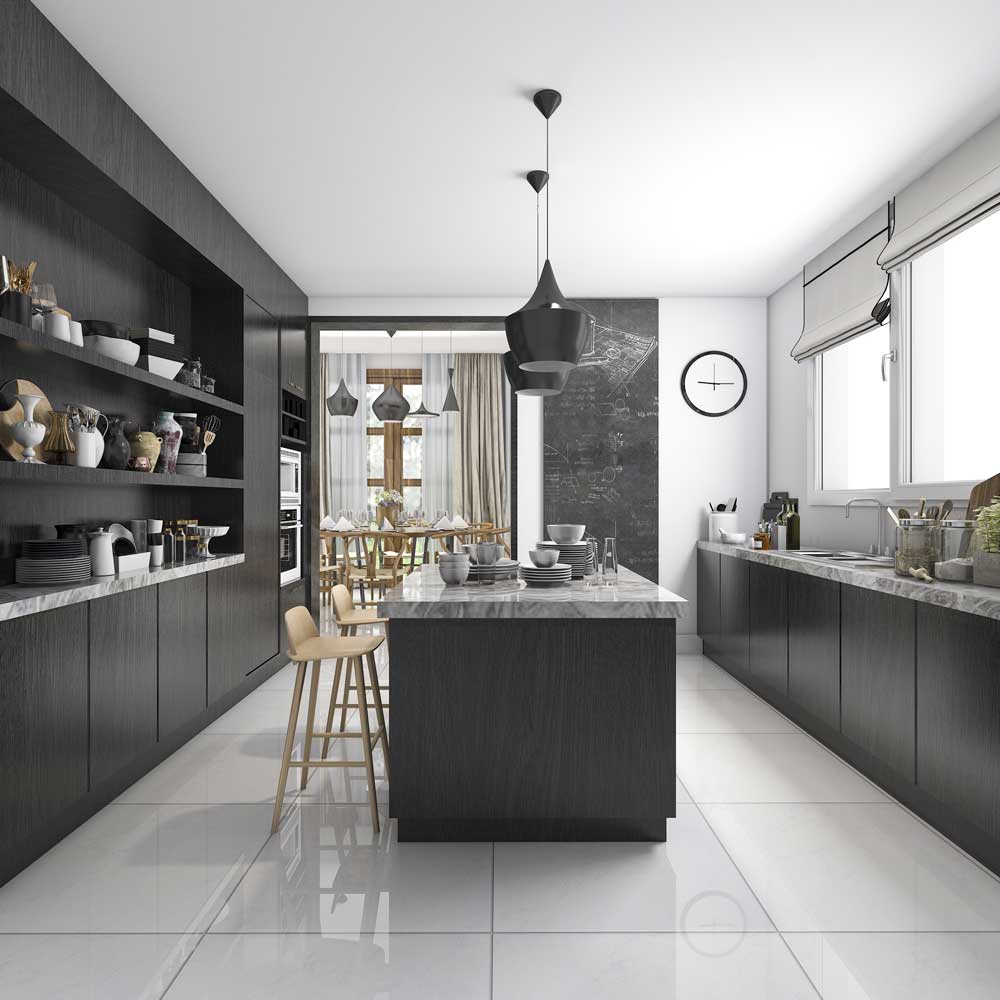
It might sound obvious but one of the most important factors to consider before you decide whether to install large or small tiles is the size of the room. A wide and spacious home with an open kitchen and dining area will suit large format tiles. Alternatively, a small home, unit or apartment might better accommodate small tiles. It’s important to acquire the room’s measurements to get a better understanding of how the tiles will fit into the room.

For wall tile installations, the same logic applies. Once you have measured the length and width of the surface, you can consider the dimensions of the tiles and get a better understanding of the project at hand.

Tile size and grout lines

The smaller the tile, the more grout lines you will have on your surface. The grout line is the gap between one tile to another. Grout lines are essential, allowing for dilation of the floors and natural settling due to structural movements and variations in temperatures. Although 0 grout line is impossible, there are options for those seeking a minimal aesthetic with little grout lines as possible.

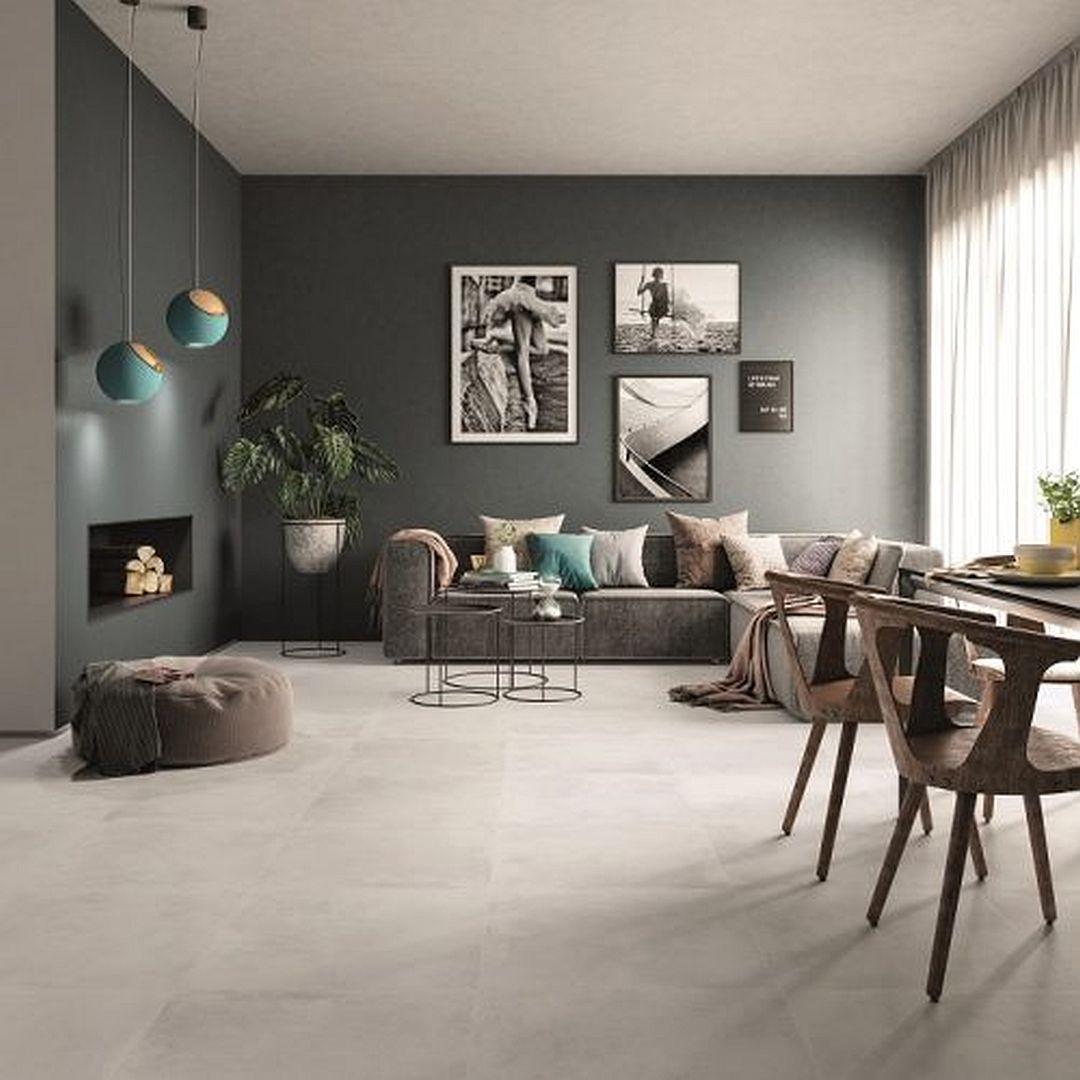
For customers who are seeking flooring with no grout lines, we would recommend large format tiles. Large format tiles have grown in popularity due to their striking appearance featuring minimal grout lines. Large format tiles are big in size varying from: 500mm x 1000mm, 1000mm x 1000mm, 1000mm x 3000mm and 1440x3200mm. The result is a surface with nearly no visible grout lines.

Tile installation

Although some people might think that large format tiles will be easier to install due to their larger size, however, this isn’t the case. Large-format tiles require different skills compared with regular tiles. This is important to keep in mind when choosing your tile installer. It’s best to choose a tile installer who has experience working with large-format tiles so that you can rest easy knowing that your project will be completed to a high standard.

Large vs. small tiles

If you have the luxury of choosing either large or small tiles, you might be struggling to make a final decision. To help with your deliberation, allow us to break down the main factors you want to keep in mind:

Aesthetics

Arguably the most important factor to consider when choosing large or small tiles. Whilst large format tiles offer a seamless and chic surface that can elevate any room, small tiles can offer more creativity. Small tiles add character and charm with the option to create different patterns and play with colour. Large format tiles however are often one colour and mimic textures such as marble, cement and/or wood.

Ultimately, large format tiles will look modern, stylish and expansive. Small format tiles will offer fun, creative and interesting patterns.

Large tiles or small tiles? A guide on choosing the right tile 6
Large tiles or small tiles? A guide on choosing the right tile 7

Functionality

Both large and small format tiles can accommodate different spaces. From kitchens and bathrooms to dining areas and bedrooms—both options can accommodate a wide variety of needs.

If you’re installing tiles in your kitchen or bathroom, it’s important to consider slip resistance. For both residential and commercial settings, slip resistance is a vital feature to include in your ceramic tiles to prevent accidents from occurring. Ensure to check the tile description or consult with one of our tile experts if you need slip resistance.

Maintenance

Those who choose large-format tiles will be delighted to discover that large-format tiles require less maintenance. Considering there are fewer grout lines, and in some cases no grout lines, between large format tiles, there’s less vigorous maintenance required.

Tiles with a rectified edge require less maintenance due to their straight edges allowing for less gap between tiles. Tiles with a rectified edge generally have a gap between 1-2mm rather than 2-5mm, which greatly aids the cleaning process.

Large tiles or small tiles? A guide on choosing the right tile 8

Tile questions?

If you’re still unsure about how much space you’re going to need for tiles, or how many tiles are needed for it, you can contact Ceramic Tile Supplies for more information. Our team will ensure that you’re given all the help and advice that you need so that you can get the best tiles for your home!

View our floor tiles

Summer Tiles Collection: Best Outdoor Tiles & Swimming Pool Tiles 9

Summer Tiles Collection: Best Outdoor Tiles & Swimming Pool Tiles

By Outdoor Tiles, Tile Selection, Trends

Create Your Perfect Outdoor Living Space

Comfortable and stylish outdoor spaces are essential for every Australian home. With glorious sunny weather year-round, especially in Western Australia, many homeowners treat their patios, alfresco areas, and poolside zones as the main areas to relax and entertain. The foundation of every great outdoor area begins with what’s underfoot — the outdoor tiles.

The flooring you choose can completely transform your space. Wood, timber, and organic tones bring a natural, earthy warmth, while sleek black, white, or neutral outdoor tiles add a modern and sophisticated touch. Finding the right finish and texture can feel overwhelming, but don’t worry — we’ve gathered the top outdoor tile flooring ideas to help you refresh your space with ease.

Best Outdoor Tiles Choices

Tiles remain one of the most versatile and durable materials available, perfect for bringing personality to both indoor and outdoor areas. Investing in quality outdoor tiles elevates your space with elegance and functionality. The right colour, texture, and material will make your entertaining zone come to life, one tile at a time.

Artistic Statements in Tile Design

Design trends today focus on creative expression. We’re seeing more colour experimentation, bold patterns, and playful design combinations. Thanks to advanced Inkjet technology, it’s now possible to print any pattern or texture onto ceramic tiles — from realistic wood and stone effects to abstract brushstrokes. This technology opens up endless outdoor tile flooring ideas, perfect for those who want to create stunning, custom looks that truly stand out.
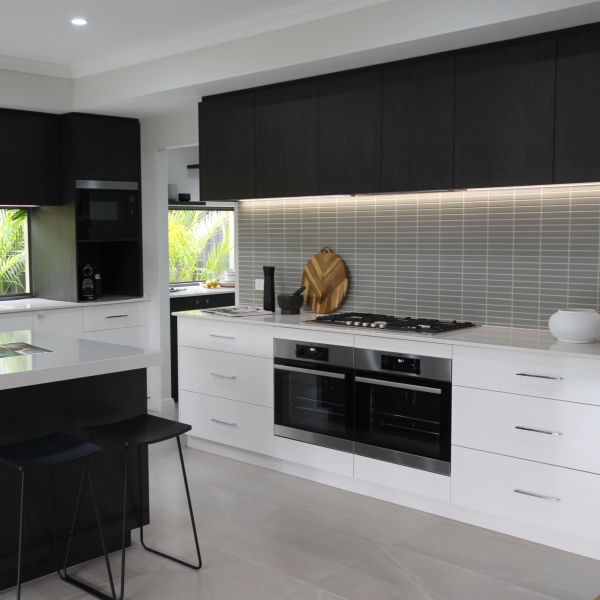
Experimental designs have really been made possible with high-definition Inkjet technology. Inkjet technology allows for any print, pattern or design to be printed onto the ceramic tile. These patterns can vary from replicating organic materials (like wood and stone) to experimenting more with patterns and brush strokes.

Inkjet technology offers a wide variety of impressive and stylish options for your ceramic tiles. To find the unique design for your project, chat with our team at Ceramic Tile Supplies.

Summer Tiles Collection: Best Outdoor Tiles & Swimming Pool Tiles 10
Trending Floor Tiles 2023

Nature Inspired

As outdoor spaces are surrounded by nature from the home’s garden, pool, sunlight and sky, nature-inspired tiles compliment these natural elements with gorgeous replications of wood, stone, sand or earth elements. These organic designs are an easy way to add impressive beauty to any area and instantly ‘wow’ guests as they walk out to the outdoor space.

There’s a great variety of nature-inspired outdoor tile flooring ideas to choose from too. Styles vary from patterned tiles that mimic the detailing seen in granite, stone-look tiles that replicate impressive rock surfaces as well as other textured designs such as Epika Shell and Mystone Sand.

Timber-look tiles are one of the most popular flooring options for outdoor settings. Offering warmth and charm to an outdoor space whilst also being durable, slip-resistant and low maintenance—it’s no wonder why timber-look tiles are so sought after! Whilst real timber tiles are costly and require more maintenance, timber-look outdoor tiles are almost identical in appearance and more affordable too!

Internationally Inspired Designs

With travel once again inspiring our lives, design ideas are taking cues from around the world. European terracotta tones, Spanish patterned tiles, and vibrant Mexican ceramics are making their way into local alfresco spaces.

To recreate your dream holiday destination at home, consider using decorative outdoor tiles. Whether you prefer soft pinks, bold floral motifs, or minimalist white texturing, you can easily build a personalised outdoor retreat.

To complete your look with matching accessories, furnishings, and greenery for that perfect getaway vibe — no passport required.

Ceramic Tile Flooring. Dark Grey Pattern.
tiles-wangara-showroom

The Bigger, The Better

Large-format tiles are increasing in demand, with the large porcelain tiles adding a modern grandeur to outdoor spaces. Sophisticated, classy and striking—these larger tiles are eye-grabbing for outdoor areas and require minimal accessories to fill the room. You will only need a few pieces of furniture and/or plants to complete your outdoor space.

Choose between a variety of sizes ranging from: 500mm x 1000mm, 1000mm x 1000mm, 1000mm x 3000mm and 1440x3200mm, depending on your preferences. Large format tiles do require a bit more expertise to set up, we recommend contacting an experienced tile installer to ensure that the job is done appropriately.

Best Swimming Pool Tiles

If you’re lucky enough to have a swimming pool in your backyard, you will want to make sure you invest in high-quality and eye-grabbing outdoor pool tiles to do your pool area justice. Consider what tiles you will require for inside the swimming pool as well as around the pool area. Every tile decision you make works together to create a harmonious aesthetic.

Please note, not all tiles can be installed into a swimming pool; they must be low absorption with Polyurethane reactive pre-mounted support that holds each tile in its place. Here at Ceramic Tile Supplies, all of our outdoor pool tiles fulfil these requirements.

Blue Mosaics

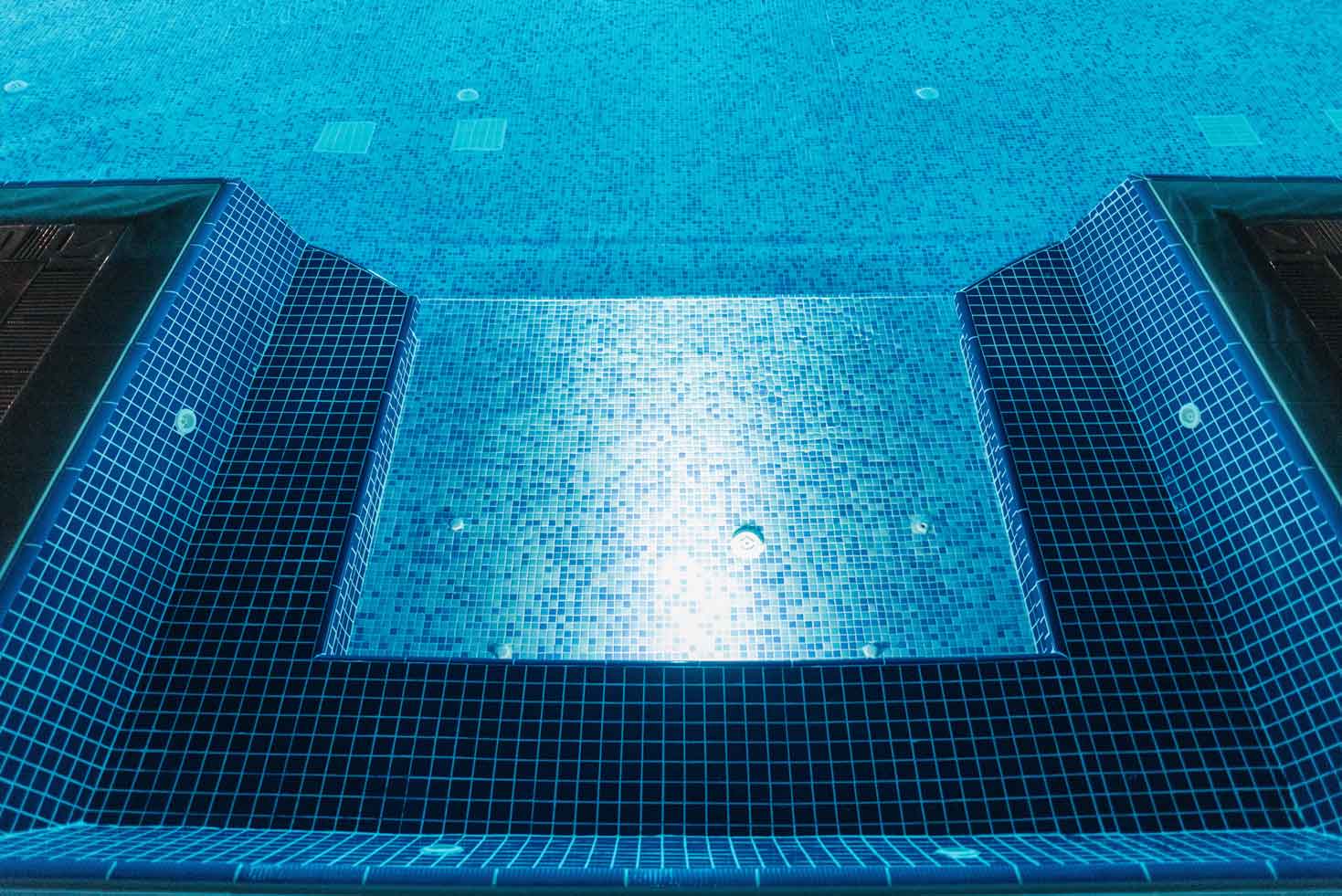
Blue Mosaics are undoubtedly the most popular choice for swimming pool tiles in Perth. With a wide variety of shades to choose from, the rich blue mosaic shines through the water of your swimming pool, adding a subtle richness that’s reminiscent of the ocean.

Blue Mosaics are visually and practically fantastic. Both out of the water on raised walls and on the pool floor, the blue mosaic is captivating and classy. Blue Mosaics are perfect for outdoor spaces where the swimming pool is the centrepiece of the area, adding depth to your outdoor space.

Blue Mosaics Pool Tiles
kitchen floors

Black And White

Another mosaic option is choosing a black and/or white colour scheme. If you already have a colourful and attractive outdoor area, you might want to consider a minimalist tile for the swimming pool in either black or white.

Although black and white mosaics are quieter than blue mosaics, the simple colours can add an element of sophistication that really completes your outdoor area. If you have chosen a creative and experimental outdoor design, choosing black or white works as a tasteful finishing touch.

Complete your outdoor area with Ceramic Tile Supplies

With the summer months finally here, it’s time to get the perfect outdoor space in order to enjoy the sunshine and warm weather!

We hope you found our blog post on the best outdoor tiles and swimming pool tiles useful! If you’re looking for anything else to enhance your outdoor space, don’t forget to check out our wide range of outdoor tiles and swimming pool tiles. No matter your requirements or style preferences, we have a tile to match.

Unsure where to start? Get in contact with our team today. We look forward to bringing your dream outdoor space to life.

View our floor tiles

Trending Floor Tiles 2026 - Colours, Materials & Styles 11

Trending Floor Tiles 2026 – Colours, Materials & Styles

By DIY, Tile Selection, Trends

As we approach 2026, we look towards the upcoming trends and evolving looks in floor tiles. If you’re planning a renovation or simply want to refresh your home with the latest interior ideas, this article unpacks the colours, materials, and styles that will make your space feel modern and timeless. Whether it’s for your kitchen, living area, bathroom or outdoor space — there are trending floor tiles design concepts that will make your 2026 home feel perfectly complete.

Trends To Keep An Eye On In 2026

From rich, sensory blues to nurturing yellows and warm browns — 2026 continues the movement toward calming, playful, and eye‑catching colours that bring life into every room. The latest floor tiles design focuses on balance: earthy tones that connect with nature, paired with experimental, artistic hues that express individuality.

Concrete Look Tile_Unicom Venice_ceramic tile supplies

Interior Design – What’s New

Dulux have announced Olive Sprig as their most popular colour for 2022. This relaxed and pleasant green that teeters on the edge of neutral, emulates the feeling of soothing aloe vera or a fragrant plant.” Painted throughout lounge rooms, kitchens and entryways, Olive Sprig is versatile, opens up a room and pairs perfectly with wood tones. The perfect palette to embrace the tranquil colours of nature whilst maintaining sophistication. 

With many people still spending more time at home, interiors are becoming even more personalised. Colour is now used not only to brighten rooms but also to set mood and energy. Expect to see bold wall tones contrasted with subtle, muted floor tiles design styles  the perfect way to balance personality with harmony.

As we move through 2026, emotive colour palettes inspired by nature will dominate think oceanic blues paired with weathered pastels, and warm earthy tones of yellow, orange and terracotta that bring optimism and comfort to your home.

Floor Tile Styles & Colours

As interior designers play with colour throughout the home, floor tiles are either edgy and experimental or neutral and complimentary. Depending on the colours you choose for the room, will determine the flooring that will best match. 

For rooms in your home that showcase blue hues, there’s great versatility in floor tile selection. Light sky grey blues match light wood flooring as well as cream or white ceramic tiles for a bright and airy aesthetic. Rich ocean tones match timber wood floor tiles, dark grey concrete look tiles as well as experimental stone look tiles for an edgy modern style. 

Interiors that highlight earthy tones of yellows and oranges are harmonised with the installation of timber look tiles or stone floor tiles. Both styles continue to nod to that gorgeous 1920s spanish-style aesthetic that these warm tones embrace. Consider colours of grey, brown and sand for your stone look floor tiles to complete the narrative.

A continuing trend this year is nostalgic colour blocking — a fun return to spirited interiors that mix bright, cheerful colours. To balance more expressive backgrounds, keep your floor tiles light and simple with whites or creams, maintaining an airy aesthetic that complements the bold walls.

Stone Tile Ceramic Tile

What To Expect In 2026

Every year, new trends and styles come in and out of fashion. Impacted by the evolving needs of individuals, home design is a reflection on our lifestyle, requirements and style preferences.

Timber Wooden Tile

2020: The Year That Changed Design

One of the most monumental changes in recent years was the world’s experience of Covid. It’s no surprise that Covid has changed our attitude and relationship with our home. With many people having to undergo extended periods of quarantine and/or moving their workplace to their home, the environment of home needed to become more functional, comfortable and adaptable. 

As people spent more time at home, more time was invested in the design of the interior to meet the needs of their new lifestyle. This has seen an increase in natural and earthy colours, lots (and lots) of plants, open spaces and cosy furniture which Architecture Digest has described as, “in a word: soothing.” 

2026: Expressive and Inviting

Design in 2026 celebrates creativity and individuality like never before. Homeowners and designers alike are exploring new ways to introduce warmth, personality and depth into every space. Floor tiles are no longer just functional — they’ve become essential elements of style that bring texture, colour and emotion to interiors.

Gone are the days of all‑white, minimalist spaces. This year, layers of pattern, tone and material are redefining what contemporary homes look like. Rich, tactile surfaces, curated colour combinations and thoughtful floor tiles design choices are shaping interiors that feel both inspiring and inviting. It’s a season of confidence, self‑expression and joyful living.

Colourful And Energetic Bathroom Tile

Complete Your Home With Ceramic Tiles

If you’re looking to renovate your home to meet this exciting new age, speak with our team at Ceramic Tile Supplies. Our team are experts in design, ensuring you find the perfect ceramic tiles to meet the interior design of your home. Regardless of whether you’re choosing an earthy green theme or vibrant sunset tones—we’ve got the perfect ceramic tiles to match. Contact our team today.

View our floor tiles

interior house tiles

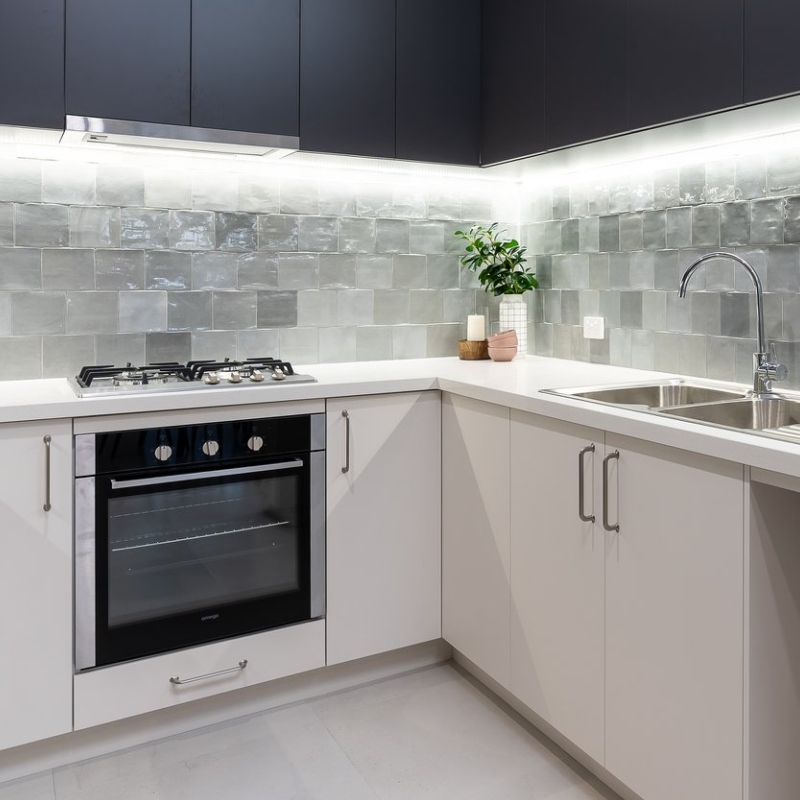
Kitchen splashback on a budget

By DIY, Kitchen Tiles, Tile Selection

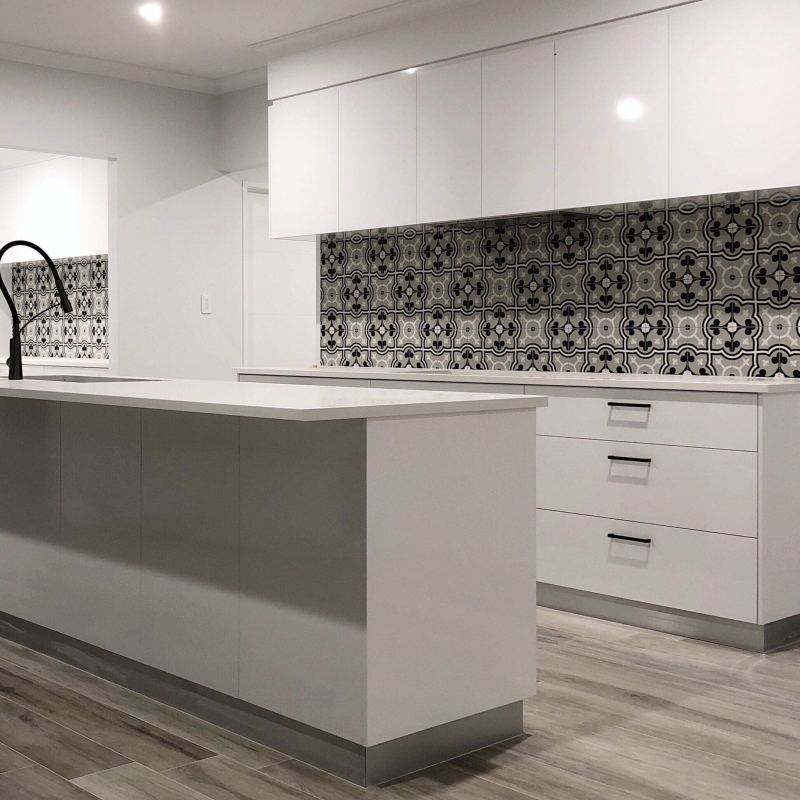
The kitchen splashback is the pièce de résistance to your kitchen interior. The kitchen splashback is not only an aesthetic essential but also a practical component to your kitchen that protects the wall’s surface. Without the splashback ceramic tiles, steam from pots, oil bursts from pans and everyday splashes fall onto the wall’s surface, damaging paint and plaster. Not to mention, if you don’t have the ceramic tiles, it completely alters the overall look and feel of your kitchen, making it look unfinished. 

We understand that when you’re building or renovating your kitchen, costs can quickly add up. It can be hard to balance meeting your budget with choosing materials and designs you’re going to enjoy in your home. It can feel as though you have to choose one or the other – sticking to budget or choosing the ceramic tiles you want. But – we have good news for you… 

In this blog, we explain how you can bring to life your dream kitchen splashback whilst ALSO staying on budget. Yes, it’s possible!

Clearance Tiles

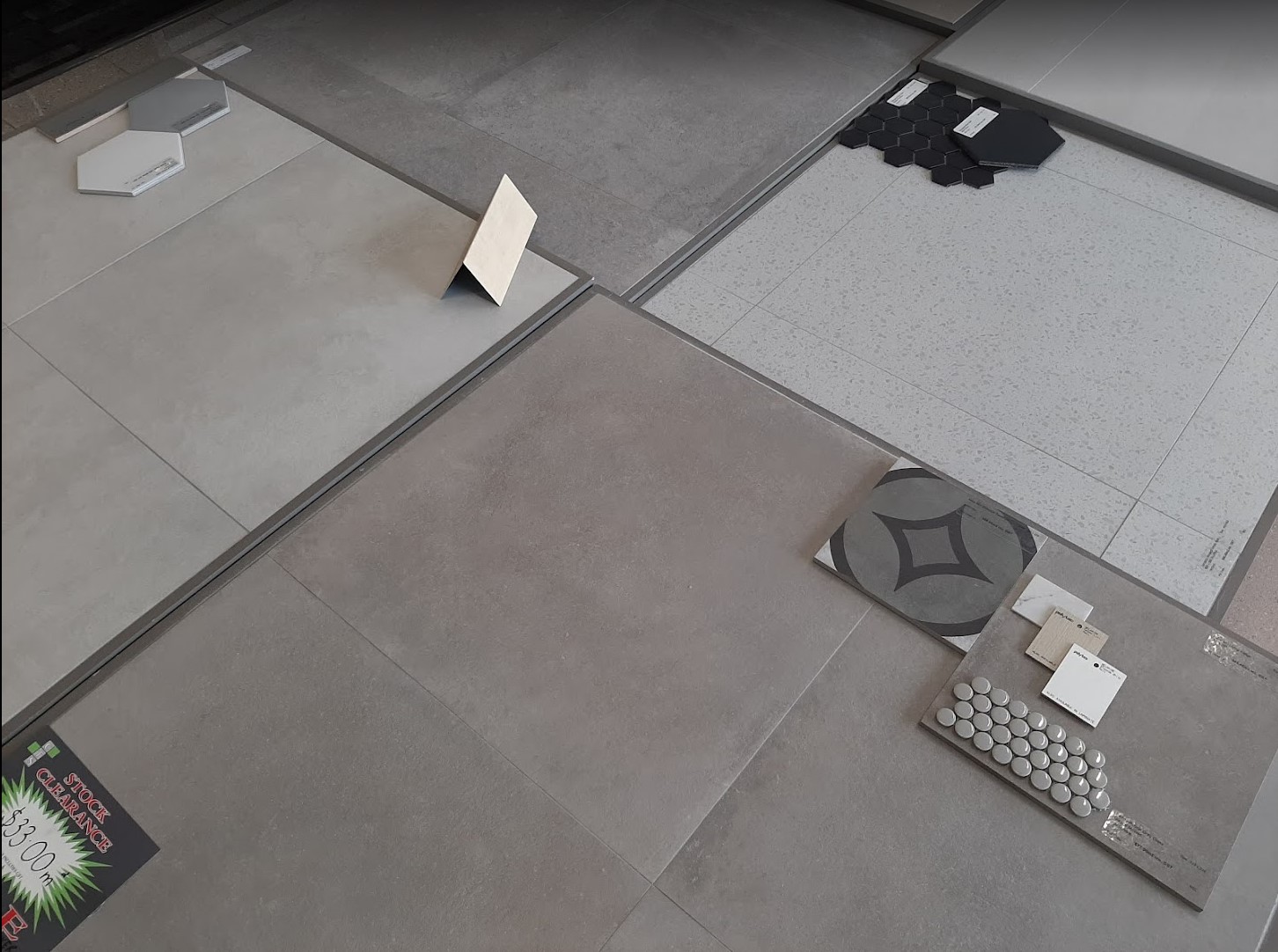
If you’re looking to save money on your tiling project, head to the clearance section of our showroom. Many people are surprised to discover that we offer a selection of ‘end of the line’ tiles available at heavily discounted prices. With limited quantities available, our clearance tiles are great options for small-scale projects… such as a kitchen splashbacks.  

Our clearance tiles at CT Supplies although are discounted, they’re still of top quality, making for excellent additions to your kitchen interior… no one will even know they’re from the ‘sales rack’! 

We’re regularly adding ceramic tiles to the clearance section, which means you have the choice of a wide variety of different styles, colours and patterns! Choose between glazed or polished rectified porcelain, non-rectified porcelain, non-rectified stone look tiles and timber look tiles. All originally sourced and imported directly from the finest tile manufacturers in Italy, Spain, Portugal, Turkey, Japan and China. The hardest bit will be choosing which tiles to buy!

It’s always a good idea to see our selection of clearance tiles in person before you commit to a purchase not only does this help with colour selection but there are more available than what is shown online.

DIY Kitchen Splashback

Another great way to save on costs, is building the kitchen splashback yourself! 

Over the last few years, building costs have rapidly increased due to an unfortunate combination of higher energy costs, material shortages and skilled labour shortages. This means for anyone completing a building project, you’ll need to prepare yourself for a higher outlay than previous years. In fact, over the last 12 months, building costs have gone up by 10.4% – the second highest annual increase in construction costs in history. To reduce costs, complete DIY projects where possible.

If you’ve never completed a DIY project or worked with ceramic tiles before, this might be a daunting suggestion for you. However, once you have all of the necessary resources, materials and tools – you’ll discover it’s easier than you think plus, the great enjoyment you’ll get from completing a home DIY project is incredibly rewarding. 

Kitchen splashback on a budget 13

For quick rundown on how to complete your own DIY kitchen splashback follow these steps:

  1. Confirm the area you require. Measure areas (height x length) and add them all up. Consider do any of the window sills or under benchtops areas also need to be tiled? 
  2. Select your splashback tiles and grout!
  3. Collect all your tools together and all other required materials. Did you know CTS can also supply you with glue, grout, silicon, tile trim and tile spacers?
  4. Wear the recommended safety attire.
  5. Prepare the surface; remove previous splashbacks and ensure the surface will bond with your purchased glue. Often primers are suggested, this will depend on your surface. It is always good to talk to a professional if you are unsure at this stage.
  6. Mark out the extents, it is sometimes handy to draw a central alignment line to insure your staying straight. Work out where your grout lines and full tiles end up.
  7. Start laying from the bottom and work your way up. 
  8. Use a notched trowel to place adhesive on the wall ensure all of tile is covered by glue once attached.
  9. Stop every so often to assess symmetry. Stand back to look.
  10. Leave the splashback for a minimum of 24 hours to finish setting. The wetter the weather the longer you wait.
  11. Grout after glue is completely dry.
Kitchen splashback on a budget 14

Reconsider size

There are areas of the kitchen that require a splashback for regulation purposes. These are; behind sinks for waterproofing and behind cooktops to create a fire retardant space between wall and cooktop. All other areas can be minimal and are only really required aesthetically to make the area look complete.

If you had your eye on a particular tile design and/or you didn’t want to commit to a DIY project – try reducing the splashback area. Kitchen splashbacks don’t have to be large, keep your kitchen splashback to only essential areas to reduce costs.

Of course, reducing the size of the ceramic tile splashback comes with a drawback. Reducing the size of your kitchen splashback might compromise the design and aesthetics of your kitchen. If you’re unsure whether the smaller kitchen splashback suits your home, take a few photos and bring them into one of our Showrooms to consult with a Ceramic Tile Supplies team member. Consulting with one of our design experts will clarify any concerns or questions you may have.

Unsure where to start?

If you’re unsure where to start with your kitchen splashback, talk with our team! We’ve got years (and years!) of experience with designing and renovating different tile projects. 

Before popping by one of our Perth showrooms, measure out the area you’re hoping to install your kitchen splashback, make note of overhead cabinet heights and determine a budget you’re hoping to stick to. Take any photos of the space that might be useful to our team. Bring this information in with you on your visit and our team here at Ceramic Tile Supplies will do our best to meet your needs. 

We’re here to bring to life your dream kitchen splashback.


View our kitchen splashback tiles

NDIS Requirements - Non Slip Ceramic Tiles 15

NDIS Requirements – Non Slip Ceramic Tiles

By General, Architects & Builders, DIY, Tile Selection

An important requirement in the NDIS recommendations is installing non-slip ceramic tiles. Here at Ceramic Tile Supplies, we offer a wide selection of non-slip ceramic tiles to meet these NDIS standards. If you’re looking for non-slip tiles for an aged care center, bathroom, hospital or home – CT Supplies is here to help you provide a safer environment for your needs. 

About NDIS

The National Disability Insurance Scheme (NDIS) provides all people with disabilities essential resources, connections and services that improves their overall wellbeing. With around 4.3 million Australians with a disability, this is an important initiative that improves millions of lives in countless ways. 

Providing home modifications is an essential piece of the puzzle, with the NDIS recommending detailed guidelines for builders and designers. From small adaptations such as a grab rail, to more complex modifications such as ramp solutions for dwelling areas. To meet NDIS standards, there’s a detailed list of Complex Home Modifications (CHM) with funding accessible through the individual’s NDIS plan.  

When it comes to flooring, there are specific flooring requirements to meet for different areas/spaces. Below, we’ve outlined flooring information to keep in mind when choosing your NDIS flooring. However, always consult with a NDIS provider to confirm what will be best for your requirements.

Slip resistant tiles

Slip resistant flooring are glazed or unglazed porcelain tiles that meet the required slip resistant ratings that have been assessed by Slip Tests. When browsing through CT Supplies’ range of slip resistant tiles you will notice the Slip Ratings given alongside each tile. 

Slip resistant tiles are tested via three different methods:

  1. Oil-wet ramp test (R9 – R13)
  2. Pendulum test (P0 – P5)
  3. Wet barefoot ramp test (A/B/C)

For more information, visit our slip resistant tiles page here


Bathrooms

Due to the amount of water that is sprayed from taps, sinks and shower heads, it’s vital to invest in non-slip bathroom tiles to increase safety. Regardless of whether you’re seeking to meet NDIS requirements or, you’re simply building a general bathroom for your home – slip resistant tiles are essential. 

Slipping and falling is a major cause of home injuries for elderly, children and people with disabilities. By installing non-slip tiles you will greatly reduce risk and improve usability in your bathroom. 

For aged care bathrooms and ensuites the wet pendulum meets P3 with an oil/wet ramp rating of B. This means the flooring needs to be tough and negate water to prevent a slippery surface as well as appropriate substrate surface for wall tiling too. 

For toilet facilities in offices, hotels and shopping centers, the requirements are similar with the wet pendulum test requiring P3 tiles and an oil/wet ramp rating of R10.

NDIS Requirements - Non Slip Ceramic Tiles 16

Entrances/hallways

Entrances and hallways are the main point of entry, seeing a lot of foot traffic constantly. It’s vital that these areas of the building or home cater to all guests and visitors. 

Alongside providing easy access paths and walkways (offering 1000mm minimum width, or wider for wheelchair access), the flooring must be a slip resistant surface, such as concrete broom finish or wooden trowel finish. This applies to any ramps or dwelling entrances too.

Kitchens

Kitchens are another area that is prone to water spraying from taps, sinks, dishwashers etc. Ideally, slip resistant tiles would be installed in every home/building kitchen regardless of meeting NDIS requirements. This improves overall safety for all occupants. 

NDIS kitchens vary significantly depending on the design of the kitchen as well as the disability of the individual/s. A requirement that’s consistent across the board, is installing non slip tiles. It’s always useful discussing with your local NDIS provider on which flooring they would recommend for your specific job. 

Non slip tiles Perth

If you’re looking for non-slip tiles in Perth, look no further. Here at Ceramic Tile Supplies, we’ve got a wide range of ceramic tiles to suit all needs and style preferences. Visit one of our showrooms or browse our selection online. We’re only a phone call away if you have any questions. 

View our slip resistant tile range

  • Sale!

    Grigio Natural Finish (R9)

    Original price was: $46.20.Current price is: $27.50.

    500 in stock

  • Bush Hammered Grey Anti-Slip (R11)

  • Bush Hammered Black Anti-Slip (R11)

  • Parkway Grey 300×300 Matt (R10)

  • Parkway Black 300×300 Matt (R10)

  • Contempo Graffite Matt 300×300

  • Venice San Marco

  • Affogato Light Grey

Edimax Shade D Decorative tile 2

Ceramic Tile Trends: Inkjet Technology

By General, Architects & Builders, DIY, Tile Selection

Inkjet technology has truly transformed the potential of ceramic and porcelain tiles. When applied to ceramic and porcelain tiles, inkjet technology has allowed for some very unique and innovative products to emerge. 

Through Inkjet technology, manufacturers are not only focusing on the challenge of replicating realistic reproductions of existing surface materials (wood, stone or brick), but are also immersing themselves in the opportunity to print out different textures. The reproduction of these different materials and textures is uncanny, offering a more affordable option for high quality materials.

How inkjet technology works

Inject technology works similarly to a printer, digitally printing liquid onto a material to create patterns and images. However, where inkjet technology differs is how advanced the printing equipment is, allowing for the ability to replicate exact images as well as textures that can be felt by the hand. Where your printer is clearly producing images with ink, it’s next to impossible to differentiate inkjet’s printing from the real material. 

Digital printing

Many customers are surprised to learn that inkjet technology doesn’t actually touch the ceramic tile! All printing is done digitally, printing high resolution patterns and designs to imitate your chosen texture (marble, granite, limestone, wood etc.)

The inkjet technology works by using the heads/dispensers (6 main heads, 3 additional for detailing) each of which have millions of pixels distributing the specialty ink over the ceramic tile. Controlled by a computer, tiles are digitally printed with high-resolution 3 dimensional materials.

The options – endless!

Inkjet printers can utilise 8 or more colours, allowing for a great range of shades and tones to be printed on the tiles. Amazing detail, contrast and variations – the options are truly endless with inkjet technology. 

Designs 

Inkjet technology revolutionizes the way designers can manipulate images, opening up immense choice with styles. Renovators, interior designers and home developers now have the freedom to create hundreds of different visuals by merging or mixing several images. You can produce anything from concrete looking tiles, stone, marble, brick and even textiles. The challenge will be deciding on which style you’re after!

Materials 

Have you always wanted timber-look tiles in your bathroom but don’t want to deal with the maintenance involved? Well, now you can! 

Inkjet technology offers the best of both worlds, aesthetically matching your ideal visuals yet, also maintaining the ceramic and porcelain tile canvas allowing for little maintenance. Now you can obtain stunning aesthetics in any room of your house without having to think about the extra maintenance involved with other materials. 

Ceramic Tile Trends: Inkjet Technology 17

Cost

If you’re renovating or building your home, it can be quite the challenge sticking within budget. It only takes one meeting with the builder to realise you’ve exceeded costs in areas you weren’t anticipating. Here’s where inkjet technology always surprises and delights customers. Maintaining impressive quality yet also being cheaper than harder natural stones or wood, inkjet technology is a no-brainer for many designers. 

Plus, with inkjet technology, you don’t need to be worried about the long wait times that timber and natural stones are currently facing.  

Inkjet technology, the future!

Ceramic tiling has been re-defined with inkjet technology. High quality, affordable, endless styles and available now! See more information on our Inkjet technology here or, give us a call or email to talk with our team. 

View our tile range

glazed ceramic tiles

Unglazed VS. glazed ceramic tiles

By Bathroom Tiles, DIY, Kitchen Tiles, Tile Selection

Simply put – glazed ceramics have a smooth, glossy surface that is created by adding a liquid glass to the clay body. Unglazed ceramics (as the name suggests) aren’t glazed and instead are often solid or speckled subdued colours with no shine. 

Both unglazed ceramics and glazed ceramics hold many practical and aesthetic benefits. Whereas some people enjoy the shiny cleanness glazed ceramics offer, others enjoy the raw earthiness unglazed ceramics present. Depending on your personal preferences and requirements will determine which option will be best to choose. 

Read further to discover whether you should choose unglazed or glazed ceramics.

Unglazed VS. glazed ceramic tiles 18

Glazed Ceramics

A ceramic glaze is a thin layer of material that is applied to the surface of a porcelain and ceramic object in order to give it a protective layer.

Glazes can be made from a variety of materials, including ash, feldspathic, lead, salt or tin, and are typically applied using a brush, sprayer or are dipped carefully into the glaze depending on the ceramic itself. They can come in many finishes not only the gloss that we all know but semi gloss, matt and satin.

Glazing involves firing a piece of ceramic first, this initial firing is called the glost firing, then the overglaze decoration is applied, and then lastly it’s fired again to set the glaze.

Glazed ceramics are a more common choice of ceramic tile that can be used for a wide range of flooring and functional purposes. Glazed ceramics are also great options for outdoor areas, wet areas and commercial use due to their non porous and slip resistant surfaces that can be applied into the glaze.

Unglazed Ceramics

Unglazed ceramics are simply ceramic materials that have not been given a coating or “glaze.”

Without the glaze, this leaves the surface of the piece of ceramic the same colour as the body. Most unglazed products on the market are top grade porcelain and fired until vitrified (glass like state) making their surface almost as non porous as a glazed tile.

Unglazed ceramics are often used for commercial purposes as they can hide blemishes and chips better than glazed ceramics. Commercial tiles often face high traffic, resulting in more wear and tear of the ceramic tiles. With unglazed tiles, the body is the same as the face so it’s less noticeable if the tile faces damage or wears. Due to the discreteness of marks and blemishes on unglazed tiles, this means there’s less urgency for maintenance thus, reducing maintenance costs.

With functional pieces like bathroom sinks or vanity sets, these are commonly sold as glazed; however, there are unglazed ceramic tiles available for such purposes. Unglazed ceramic tiles for vanity sets require vitrified qualities or a similar mixture/make up that would allow the tiles to perform the same or better than glazed ceramic tiles for a sink.

ceramic floors
bathroom floors

Bathrooms

If you’re tossing up between glazed or unglazed ceramic tiles for your bathroom, it’s important to consider the practicality of each option. 

Glazed ceramic tiles are the most popular choice amongst customers. Great to use on the walls and floors because they’re tough, easy to clean and have a great range of images. 

These days manufacturers  have the ability to print images onto the glazed ceramic tiles, offering a great variety of patterns and bright colours. Inkjet is an impressive piece of technology which gives us the ability to digitally print high-resolution patterns and designs. Many choose to use Inkjet to mimic many different kinds of textures such as marble, granite and limestone. The result is impressive, almost impossible to distinguish from the real-life material.

It’s important to note that the Australian NDIS requires a non-slip standard to all of their bathroom floors to ensure the safety of the carer and client. Non glazed ceramics are often used because of the bigger range of non-slip options. 

Although non-glazed ceramic tiles have long relied on their non-slip qualities, glazed tiles are now taking over the non-slip category. Previously non-slip was made by adding sand to the glaze and the result was not a nice finish, imagine sandpaper. Now, with multi layered glazing techniques and new glaze chemistry, the glazed tile can be certified for many of the non-slip requirements. 

However, not all glazed ceramics meet the standards. The higher slip ratings  are still only available in un-glazed due to the relief patterns on the tiles to create the higher anti slip ceramic tiles (i.e. diamond and rock finish).

For bathrooms (whether it be for commercial or residential purposes) it’s always a good idea to double check the slip resistant rating required for the space. From here, you can then select the best tile to match your requirements. If unsure, speak with our team for assistance. 

Kitchens

Similarly to bathrooms, when choosing your kitchen tiles it’s important to consider the slip ratings required for the space. Depending on whether it’s for a commercial setting or for your home kitchen, will change the slip rating requirements. 

For commercial kitchen floors, one of the most common and best choices are unglazed vitrified porcelain tiles that have high slip ratings. These tiles often come in ‘matching coving’ which means that the Australian standards are met across the board. These tiles are often specialised to have a relief pattern to allow for users to be raised slightly above the grease or water that may be on the floor causing the slip hazard. 

For home kitchen ceramic tiles, unglazed vitrified tiles is an extreme option and unnecessary in most cases. For residential purposes, glazed tiles are most likely to be used. The glazed tiles on the market are more cost effective and have a wider range available – which is very appealing for home owners.

Most residential projects prioritise image clarity, variation and colour brightness. Aesthetics  are put at the forefront for most home projects, making the glazed ceramic tiles a very attractive choice. In fact, many instantly shy away from the commercial grade unglazed vitrified ceramics due to their less refined appearance.

kitchen floors
Unglazed VS. glazed ceramic tiles 19

CT Supplies Unglazed Ceramic Tiles

If you’re on the hunt for high quality unglazed ceramic tiles, look no further than our TopCer and Marazzi (Tracks and Graniti) non-slip options.

The Topcer range comes in many colours and is liked by the commercial builders, designers and architects for its soft solid colours that can be mixed into a pattern or paired with the matching corner edge coving. You’ll often spot the Topcer range in commercial kitchens, cafes, restaurants, schools and sports facilities. Where durability meets aesthetics, Topcer is an excellent choice.

The Murazzi range has a larger format option in the high slip ratings that is often used on commercial balconies and entry areas.

In conclusion – which wins?

The question of glazed VS. unglazed was more of an issue about 30 years ago when glazing techniques were still being refined. Back then there were different levels of glazing and many would be only suitable for residential low traffic areas and only a limited range was suitable for commercial purposes. 

Glazed porcelain tiles are now made strong and tough enough to withstand even high traffic commercial applications. Therefore high quality glazed porcelains are not only the more common product on the market now but are the best option for most uses.

Often, it can come down to budgets and aesthetics when choosing between unglazed and glazed ceramic tiles. The best approach is defining your budget first and then seeing what your options are. If you’re installing ceramic tiles in a sensitive area such as a commercial kitchen or NDIS bathroom – ensure the non-slip requirements are met.

When in doubt, chat with our CT Supplies team!

Choosing the ceramic tiles for your home or business is a big decision. It’s often the first component of the interior people see when walking into a space. It makes sense that you take the time in deciding which ceramic tiles to install and ask any questions that pop up along the way. 

We recommend popping into one of our showrooms (Myaree or Wangara) and seeing the tiles in person. We have a wide range of glazed and unglazed ceramics to choose from that are always best seen in real life rather than over a screen. 

Check out our opening times, and we look forward to having you down here soon!

Explore our range of tiles

Rectified VS. Non-Rectified Tiles 20

Rectified VS. Non-Rectified Tiles

By General, Commercial Tiles, Tile Installation, Trends

Decisions, decisions…

When choosing ceramic or porcelain tiles, one of the first decisions you’ll need to make is whether you prefer rectified or non-rectified tiles. If you’re unfamiliar with the meaning of “rectified” and “non-rectified” let us fill you in.

Rectified tiles have a perpendicular cut and polished edges. They are often cut down from larger tiles by the manufacturer, this allows the tile edges to fit symmetrically, tightly and cleanly together creating an aesthetic uniformity and means you won’t see any grout between the tiles. Grout lines are extremely fine around 3mm or less and often disappear when looking at the space. The floor will look like one large tiled space rather than seeing breaks between the tiles. 

Non-rectified tiles, also known as molded tiles or pressed tiles are pressed into a standard sized mold and therefore reflect the curved edges of the mold once fired. Due to this, more grout is visible between the tiles, offering a more obvious break between each tile. This will mean the non-rectified tiles show more grout in their installation but can be useful when used on uneven surfaces as the curve disguises the movement underneath.

Rectified VS. Non-Rectified Tiles 21

Are rectified tiles better?

To put it simply, one option isn’t necessarily better than the other, it comes down to your personal preference. Whilst rectified tiles can look more modern with their clean refined and polished aesthetic, non-rectified tiles offer charm, creativity and difference. For example, concrete look tiles deliver an exceptional aesthetic with a thinner grout line whereas our range of subway tiles use the grout lines to create patterns, offering a classic charm to the room. 


Browse our range of rectified and non-rectified tiles to find out which one you prefer.

Installing rectified tiles

When it comes to installing tiles, it’s always best to contact a professional tile installer. Rectified and non-rectified tiles require different installation processes therefore it’s important to ensure the installer is informed on the style you’re choosing and has the knowledge to achieve what you’re striving for. There’s nothing worse than investing in high quality tiles only for them to be neglected during the installation.

Rectified VS. Non-Rectified Tiles 22
Rectified VS. Non-Rectified Tiles 23

Need assistance?

If you’re still unsure of the difference between rectified and non-rectified tiles, we’re here to help. Contact our team today with any questions you may have regarding rectified tiles or tiling in general! Our goal is to make the tile selection process as easy as possible.

View our range of tiles

Tile Trends: Subway Tiles 24

Tile Trends: Subway Tiles

By General, Architects & Builders, Bathroom Tiles, DIY, Kitchen Tiles, Subway Tiles, Trends

If you’re currently renovating your Perth kitchen, redesigning your bathroom or, you’re simply a lover of interior design – you would have stumbled across subway tiles. Subway tiles are growing in popularity, and taking platforms such as Pinterest and Instagram by storm. Once you discover the sheer class and sophistication of subway tiles, you can understand why they’re becoming a must-have for every Perth home.

Tile Trends: Subway Tiles 25

What are subway tiles?

Subway tiles have obtained their name from the iconic walls of the New York subway system.

Although at first the idea of “subway tiles” might suggest negative connotations (stifling underground train station perhaps?), you best cast those thoughts aside as subway tiles embody a classic vintage aesthetic that is incomparable. Generally, subway tiles are rectangle ceramic tiles laid horizontally with a 50% offset. However, over time, subway tiles have been modernised and experimented with to offer a great variety of design options for homes.

Explore more about subway tiles below.

How to include subway tiles in your Perth home

Extremely versatile, subway tiles can be incorporated in your home in countless ways. Our favourite ways to add subway tiles to your home… 

1, Kitchen splashback. A lot of time is spent in the kitchen – cooking, hosting and spending time with the family. You want to make sure your kitchen embodies just as much class and character as the rest of your home. Including subway tiles in your kitchen splashback makes for an eye-catching and impressive feature, making you feel confident hosting your next event.

2. Bathroom feature. The bathroom has been dubbed as one of the most important rooms of the house when it comes to design. It makes sense when you consider that every person that visits your home, is going to at one point or another, visit your bathroom. That’s why subway tiles are becoming an increasingly popular design feature for Perth home renovations.

Benefits of subway tiles

Subway tiles have a long list of benefits varying from their visually grabbing design to their easy installation. 

  • Subway tiles are available in many shapes, sizes, textures and colours. With such a great variety, you can create a unique subway tile feature that fits your home aesthetic.
  • Stain-resistant and easy to clean, you can use a white vinegar cleaning treatment or even spray and wipe to clean your subway tiles. Due to their easy-to-clean design, this makes subway tiles even more of an excellent choice for kitchens and bathrooms. 
  • Affordable addition to your home interior. If you’re currently acquiring quotes for your home renovations, you will know how easy it is to exceed your budget. Subway tiles are fantastic as they’re not only high quality but also affordable.
  • Timeless design that never goes out of fashion. When making aesthetic choices for your home renovations, you want to make design decisions that last a life-time. Considering how quickly fashion trends change, this can be very difficult. One of the great benefits of subway tiles is that they never go out of style and always offer a classic feature to your home. 
  • Easy installation. Renowned for their stunning pattern, depending on the subway tile design you’re after they’re surprisingly easy to install. When it comes to installing ceramic tiles we always recommend hiring professional tilers. The last thing you want is your new tile design breaking or deteriorating due to poor workmanship. Invest in the installation and it will pay off in the long run.
Tile Trends: Subway Tiles 26
Tile Trends: Subway Tiles 27

Creative subway tile ideas

Since subway tiles were first installed in the New York subway, interior designers world-wide have played with the classic design. With a great selection of different patterns, you never have to worry about having the same design as your neighbour. Other variations of the subway tile include:

  • Herringbone
  • Double Herringbone
  • Chevron
  • Stackbond
  • Mosaic
  • Diagonal Herringbone
  • Vertical

Alongside choosing your subway tile pattern, you can also play with the colours and textures of the tiles. You can keep your design minimalist and classy with white or, you can add a splash of colour to match the interior of your home. Many people choose to mix and match colours, choosing different hues of blue or selecting two complimentary colours to add a pop to your room. The options are truly endless, browse our offerings and find your dream design.

How we can help!

Talk with our Ceramic Tile Supplies team today for expert advice and help for your tile needs. We’re only a phone call away and are always happy to answer any and every question.

View our range of tiles